

Remember the “butterflies in your stomach” feeling? We’ve all felt it at some point, be it before an exam, a job interview, a date, a social gathering.
So, what is this jittery feeling? Anxiety is a natural human emotion characterized by unpleasant feelings like worry or fear over anticipated events.
While some anxiety is normal, and even necessary, excessive anxiety can start interfering with our ability to function normally and negatively impact outcomes and performance.
Everyone experiences anxiety in their everyday lives, including elite athletes. Sports performance anxiety is more common than we’d imagine, affecting 30% to 60% of athletes. Decorated Olympians like Simone Biles and Michael Phelps have openly talked about their struggles with anxiety and mental health, and they aren’t alone.
From famous sportspersons to student-athletes, whether during a practice match or a high-stakes game, anyone can experience sports anxiety. Knowing how to deal with performance anxiety can prevent it from adversely impacting performance in high-stress situations, and help maintain overall well-being.
What is Sports Anxiety?
Sports anxiety, or performance anxiety, is an intense and persistent feeling of worry, tension, fear or apprehension that athletes experience before or during a competition. It is often associated with the pressure to perform, the fear of failure, or high expectations, manifesting itself as an elevated heart rate, perspiration, trembling, and disrupted focus, among other symptoms.
Signs and Symptoms of Sports Anxiety
Anxiety can look different for different people. For instance, a student might experience ‘butterflies in the stomach’ before a math exam, while another could be puking all morning leading up to the examination. In the same way, sports anxiety manifests itself through different physical, mental and emotional, and behavioural symptoms.
Here are some common signs and symptoms of sports performance anxiety:
Physical symptoms of sports anxiety
- A racing heart
- Shortness of breath
- Nausea and dizziness
- Gastrointestinal issues like stomach aches or diarrhea
- Shaking hands
- Cold sweats
- Fatigue
- Muscle tension
Mental and emotional symptoms of sports anxiety
- Negative overthinking
- Constant self-doubt
- Loss of focus and confidence
- Indecisiveness
Behavioural symptoms of sports anxiety
- Avoidance (skipping practice or games)
- Procrastination
- Social withdrawal from teammates
What Causes Performance Anxiety in Sports?
For some athletes, performance anxiety may be triggered because of social pressure, while others may experience it owing to the high expectations they hold for themselves.
Here are some key causes of performance anxiety in sports:
- Fear of failure
- Perfectionism
- Social expectations
- High-pressure situations
- Low self-confidence
- Past failures or negative experiences
How to Overcome Sports Performance Anxiety
1. Identify what anxiety looks like
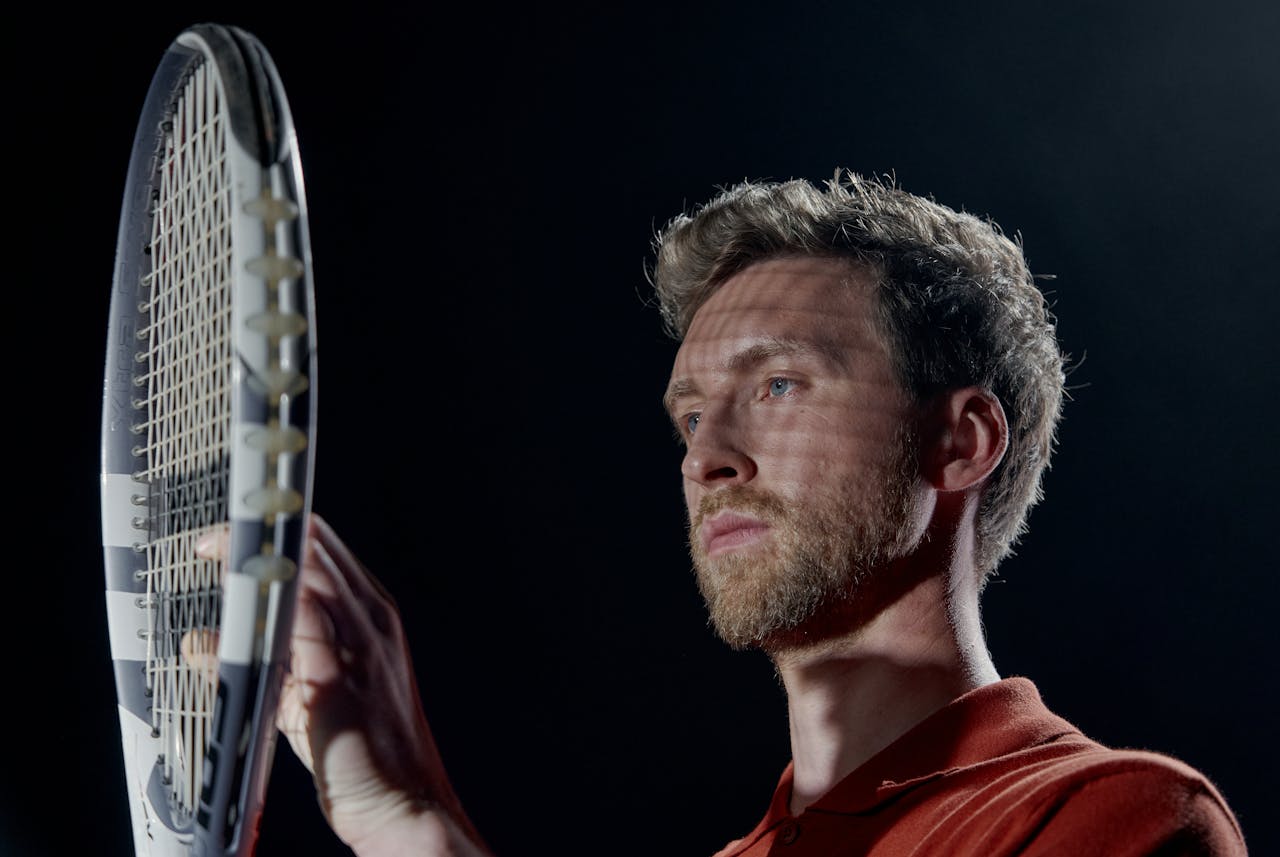
Anxiety can exhibit itself differently in different people. Some athletes may show anxiety through muscular tension, like their jaw tightening, while others display it through acts of aggression, like shoving their opponent or throwing their racket.
Knowing what your anxiety looks like is a chance to check in with yourself and find ways to resolve it. Once you learn how to identify your anxiety, focus on identifying the triggers, which could be a loss, an ‘away’ game, or a match against a certain player. Knowing the triggers can help you develop strategies to cope with them.
2. Acknowledge anxiety and reframe it
Anxiety in stressful situations is a normal part of everyday life. It is not always a negative emotion, and in some scenarios, it is necessary to bring out our best performance under pressure. Imagine not feeling anxious before an important exam or job interview. Would you be focused and motivated enough to push yourself?
Instead of viewing anxiety as an enemy, reframe the feeling and embrace it as a positive, protective ally that is pushing you to strive harder. Remind yourself that you are feeling anxious because you have invested time and energy into your training, and wish to excel. Your anxiety is simply nervous excitement about the outcome.
Acknowledging your anxiety rather than fighting it is a step towards dealing with it in a constructive manner, and healing for the long-term.
3. Practice, A LOT!
“Don't practice until you get it right. Practice until you can't get it wrong.”
Let’s continue with our exam scenario. Anxiety before an exam is normal, but being thoroughly well-versed with the syllabus instills a sense of confidence and calm that reduces this anxiety and fear.
Similarly, the key to getting over performance anxiety is practicing consistently and congruously, to build a secure level of confidence and self-belief. If you trust your training and your skills, you will feel more prepared to face challenges head on, while keeping nerves at bay. Practice makes perfect. At the end of the day, you’ve to perform the same skills you learn and hone while training, simply in a different competitive environment.
4. Maintain consistent routines
"The secret of your future is hidden in your daily routine." - Mike Murdock
Anxiety stems from uncertainty, from a fear of the unknown. Certainty and control are, in a way, the antidote for anxiety.
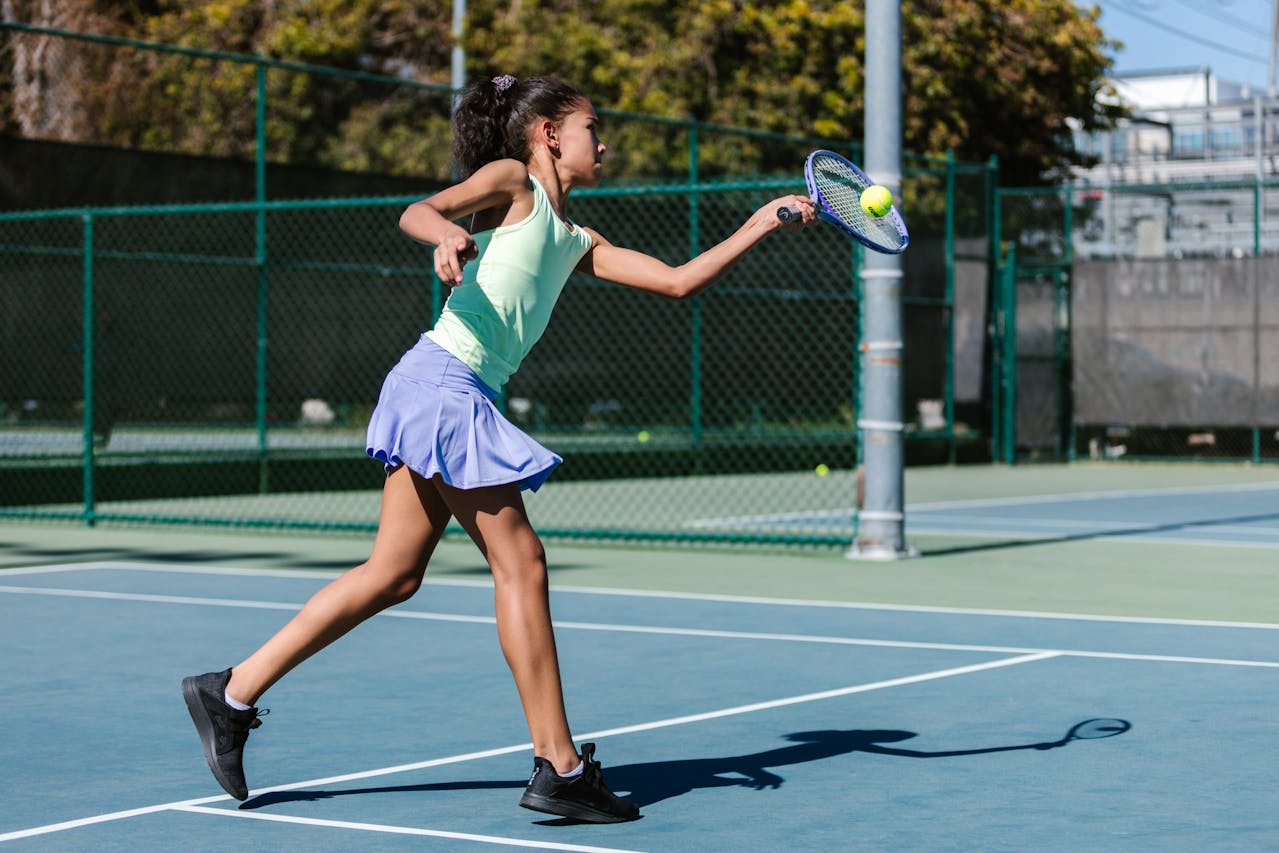
Chart out a game plan (warm-up, pre-game, post-game) and consistently follow it. When you become familiar with a routine, you tend to feel more in control, and therefore, less stressed. Consistently practising routines also builds muscle memory, which helps you perform better under stress. Since concentration is generally the first thing that falters when you panic under pressure, this memory and routine help you stick to the plan, even when it’s difficult.
5. Practice visualization
“If you can see yourself hitting a dive, the chances of you hitting a dive increase greatly.” - Four-time Olympian, diver Troy Dumais
Visualization is one of the best ways to train your brain for success. Used by many successful athletes (Michael Phelps, Serena Williams, Muhammad Ali), CEOs and artists, it is a widely revered goal-setting practice of imagining in detail what you wish to achieve, as if it were already true in the present moment.
This form of manifestation basically trains and guides your subconscious toward the desired outcome, building confidence and trust along the process.
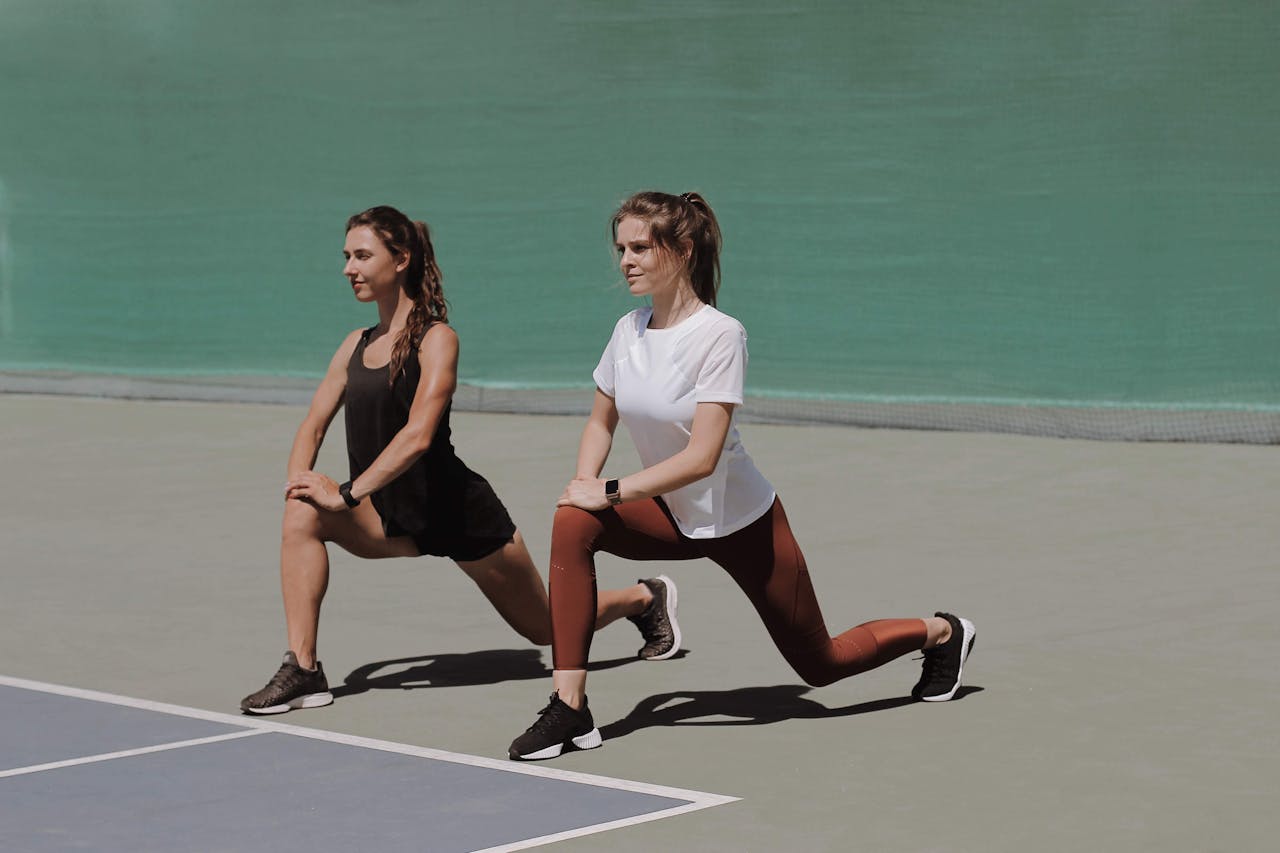
For athletes, engaging in such cognitive rehearsal involves mentally practising their skill or performance to increase confidence and preparedness, and thereby reduce anxiety. A tennis player could visualize playing the perfect backhand, a football player could visualize nailing a free kick, and a gymnast could mentally rehearse the perfect landing, conditioning themselves to execute these skills on the big day.
Introduced to visualization by his long-time coach Bob Bowman, decorated Olympian Michael Phelps made the practice an indispensable part of his training routine. He would relax his body from head to toe each night before "putting in the videotape" of his ideal performances, including possible problems like equipment malfunctions. This thorough mental preparation helped him remain calm and focused, and win gold at the 2008 Beijing Olympics despite his goggles filling with water during the 200m butterfly.
6. Engage in positive self-talk
Here is one of the most empowering quotes I’ve read: “Go laugh in the places you have cried, change the narrative.”
Over the years, I’ve come to realize that changing the narrative, the story you make up in your head, can make all the difference. There is no doubt that the conversation you have with yourself can influence how you feel about yourself and perceive events around you. In fact, there is a ton of research to show that replacing negative psychological thoughts with positive ones can build self-esteem and confidence, and also reduce anxiety.
As athletes, it is important to recognize and challenge unproductive and critical thoughts (What if I lose the game?) with affirming, encouraging messages (I am capable, I can do it, I'm going to do my best). Consciously engaging in positive self-talk helps athletes stay positive, focused and motivated, improving performance and alleviating stress and anxiety.
7. Practice gratitude
Anxiety can make you feel dismal, playing up your doubts, apprehensions and scenarios where things could go wrong. A simple yet effective way to break this cycle is to think of things you are thankful for - your family, your coaches, your good health, the opportunities to train and compete. It’s not always easy, but focusing on the positives rewires your brain to shift perspective and look for the good when things are not so great.
Practising gratitude has a profound impact on your mental and physical health and overall well-being by boosting positive emotions like joy and optimism and reducing stress. It reminds you of the bigger things in life and teaches you that you are more than your performance or the outcome of your game.
A heartwarming scene from Ted Lasso (one of my favorite TV shows), comes to mind. Recently benched star footballer Roy Kent is going through an emotional crisis.
Roy: “It’s not just a game to me, it’s all I’ve ever known. It’s who I am, it’s all I am.”
Keeley: “Phoebe, can you come here for a minute? Can you describe your uncle Roy?”
Phoebe: “He’s my uncle, his beard is scratchy, he buys me ice cream, he’s really funny and I love him.”
Keeley: “See? I didn't hear anything about being a footballer.”
Comforts and touches me, every single time. A reminder to us all, we are more than our failures and achievements.
8. Use controlled breathing and other relaxation techniques
“When the breath wanders the mind is unsteady, but when the breath is calmed, the mind too will be still.”– Hatha Yoga Pradipika
Our breath is our source of life, the center of it all. Breath and anxiety are deeply connected, and influence each other. When you’re anxious, it may feel like you can’t breathe; anxiety and rapid thinking causes shortness of breath and shallow breaths result in even more anxiety.
Guided, controlled breathing is a quick, safe way to slow your thoughts and calm your anxieties. Be it before a critical game or a match-winning point, when tensions run high, taking deep breaths is often the easiest way to center yourself. The pause you take may also allow you a moment to use other strategies, like positive self-talk or visualization, which further reduce anxiety. You can also use other mindfulness practices like guided meditations or listening to music to compose yourself.
Personally, I’ve found the 5-4-3-2-1 grounding method to be one of the easiest ways to re-focus myself in the present moment by engaging all my senses. Another simple mindfulness technique that has worked wonders for me is triangle breathing.
Anxiety focuses more on the outcome than the execution, and mindfulness brings your attention back to the present moment.
9. Build healthy pre-game rituals
The hours before a big game, when the stakes are high, the crowd is loud, and the long-awaited moment is not too far away, is when anxiety generally spikes. Thus, having a fixed set of warm-up rituals which particularly focus on managing pre-game nerves is very important.
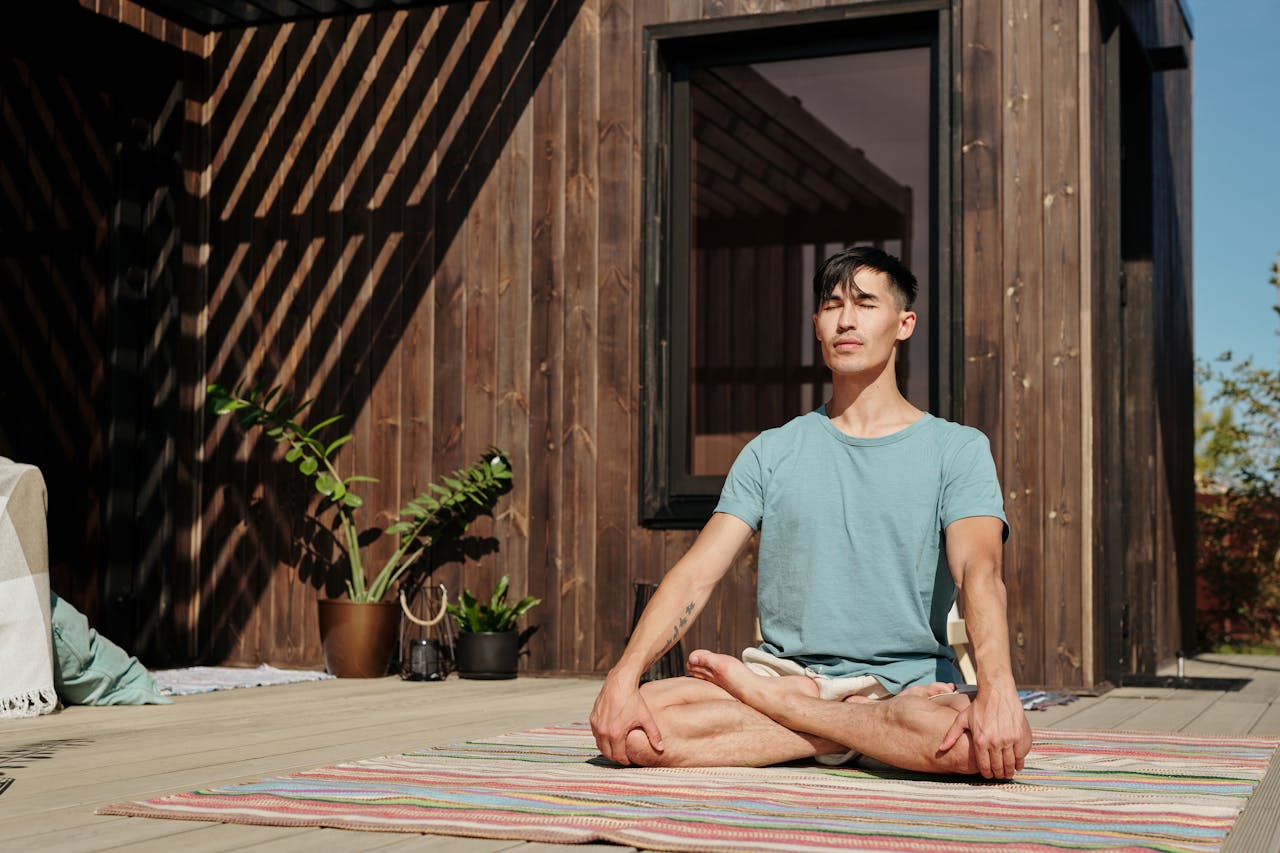
This could include cutting off contact with anyone except your coach in the hours leading up to the match, performing muscle-relaxing stretches or practising meditation and other mindfulness strategies. A healthy pre-game routine can help athletes manage anxiety, keep their cool before they head off to the court, and give their best.
10. Focus on physical regulation
While anxiety is a mental condition, the mind and body are deeply connected. Nurturing your physical body goes a long way in keeping the mind healthy and calm. Staying hydrated and eating nourishing foods can keep us at our physical, emotional and mental best. Before a game, athletes must avoid foods which trigger anxiety, such as caffeine and processed sugary food, and stick to nutritious snacks and meals.
Sleep and anxiety too have a strong, bidirectional relationship. Racing thoughts and anxiety affect sleep patterns and quality, while insufficient sleep aggravates anxiety by affecting emotional regulation. Being well-rested before a match can ensure optimum energy, peak performance and prolonged mental wellness.

How Coaches and Academies Can Help Athletes Overcome Sports Anxiety
While athletes may try the aforementioned strategies to cope with sports performance anxiety, it can often get overwhelming to deal with such heavy feelings alone. Coaches and academy staff play a vital role in helping student athletes manage these emotions. Here are some ways coaches can help athletes get over performance anxiety:
1. Focus on the positive
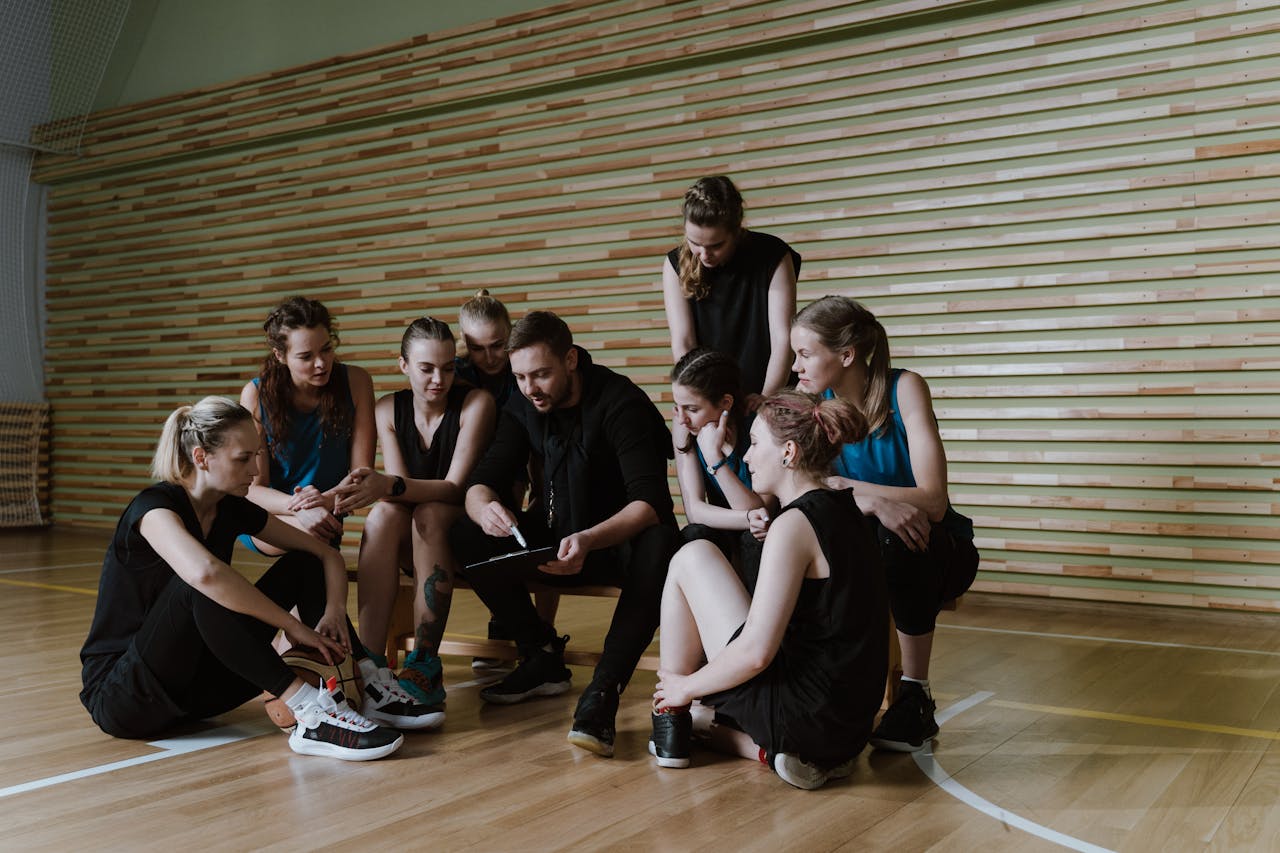
Positive feedback which reinforces student strengths and what went well boosts confidence and self-esteem, and reduces doubt and negative thoughts that contribute to anxiety. While it is important to talk about and work on weaknesses and areas of improvement, opt for constructive criticism, which emphasizes progress over mistakes, and celebrate achievements, no matter how small.
Remember, the words, tone and actions that we use around children often become their inner voice.
2. Practice under pressure
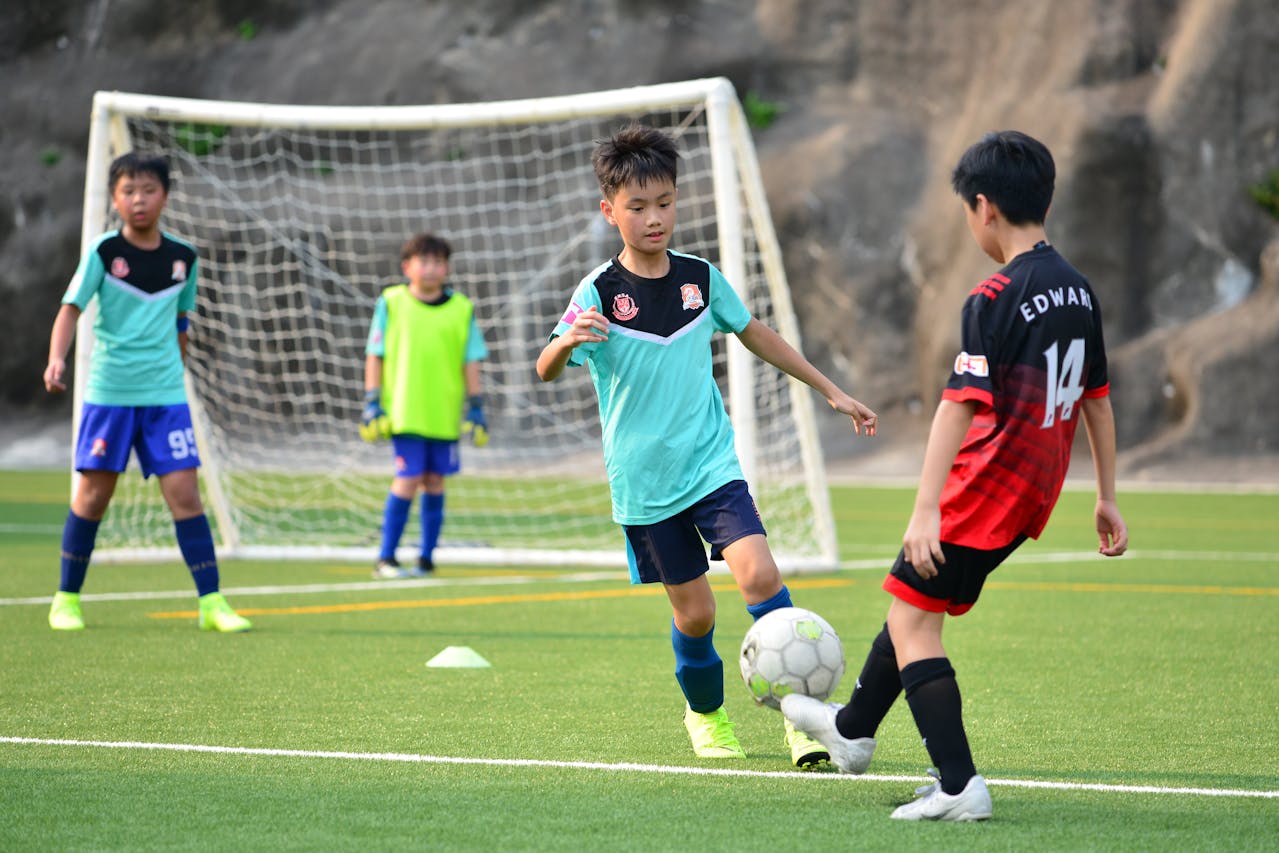
Student athletes are used to practising in the controlled environment of an academy with familiar coaches and peers. However, playing a match in front of a crowd, in unfamiliar conditions, against new opponents is a whole different ball game. Create conditions that replicate competitions to mentally prepare students for the big day.
3. Offer support
Perhaps the biggest gift you can give to your students is your care, support, guidance and encouragement. Be approachable and friendly, and remind them that they are not alone in their athlete journey.
4. Set realistic goals
Vague, unrealistic goals leave students without clarity and direction. When they have nothing to measure success against, they tend to become anxious and begin to doubt themselves.
Set attainable, measurable, yet challenging goals that help students build structure, and fill them with a sense of achievement and pride when accomplished. Teach them to be patient and persistent in pursuit of their goals.
5. Focus on the process
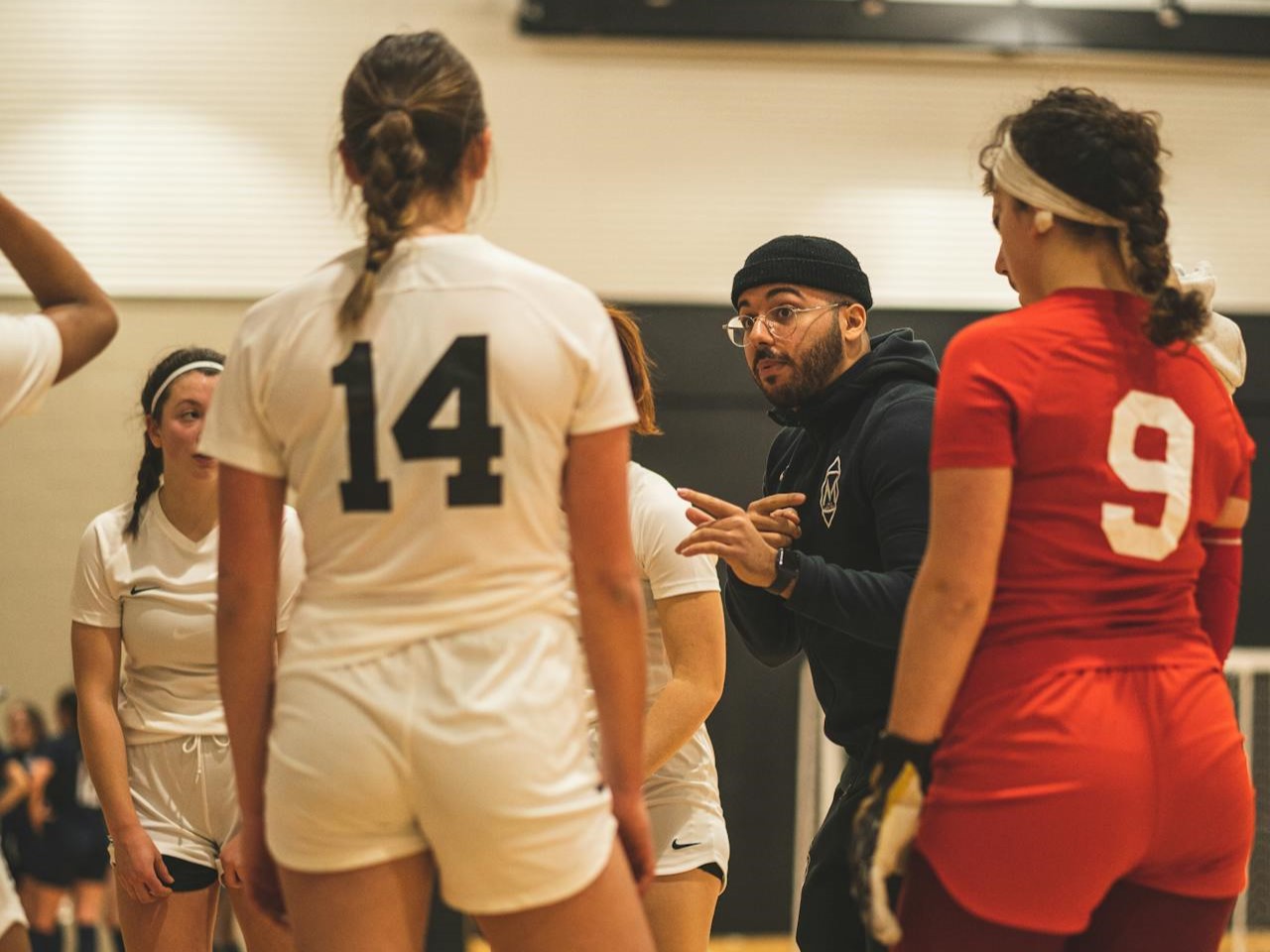
Kids generally tend to focus on the outcome - winning, scoring a point, finishing first. They put a lot of pressure on themselves, which leads to outcome-oriented anxiety. It's important to teach them to prioritize the process and train to improve their skills - pushing through in the last 50 metres, doing 10 more push-ups, getting the serve right. “Joy is found not in finishing an activity but in doing it.”
Sports Anxiety Therapy
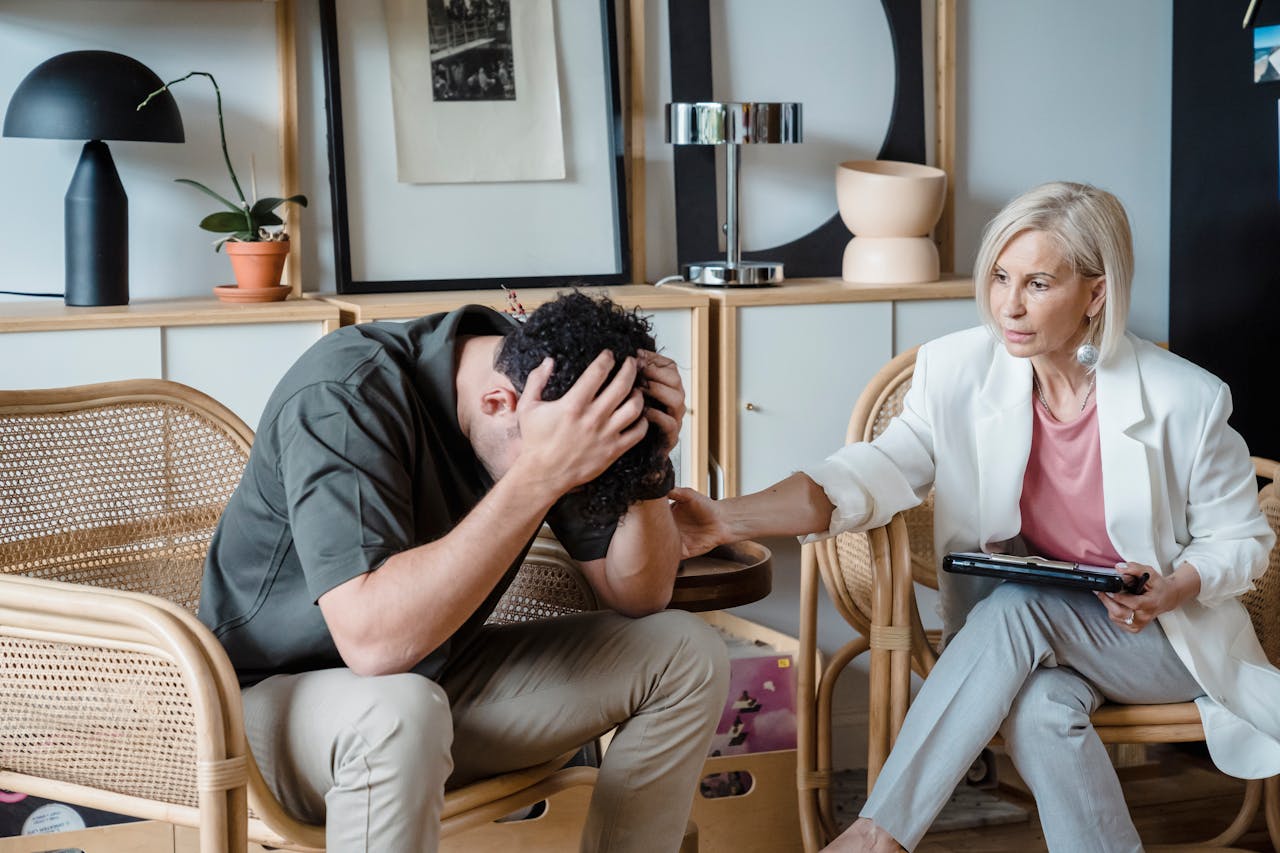
Starting with the relaxation techniques mentioned above can certainly be a healthy step toward managing your anxiety. The support of coaches, parents and peers too can go a long way in aiding athletes manage nerves. But if sports anxiety doesn't improve despite your coping mechanisms, and begins to affect your performance, day-to-day functioning and overall health and well-being, it’s best to consider sports anxiety therapy. A trained sports psychologist or therapist can help identify the causes of performance anxiety and offer personalized guidance and coping support.
The Role of Structure and Systems in Reducing Sports Performance Anxiety
Structure and consistency are essential to reduce anxiety and manage stress. Fixed structures and organized training environments provide predictability and stability, helping athletes feel more in control and better able to focus on performance.
As a sports academy, the way you manage schedules, communication, and progress tracking plays a key role in an athlete’s training, impacting performance and well-being. Unorganized schedules, last-minute changes and unclear communication can unintentionally contribute to stress and anxiety.
That’s where Classcard comes in. By automating and streamlining daily administrative processes - scheduling classes, managing bookings, tracking attendance and payments, automating communication, our sports academy management system helps academies create a structured ecosystem that supports both athletes and coaches. Predictable schedules and clear communication reduce uncertainty while transparent grading and progress tracking builds skill and confidence.
By implementing consistent, structured systems, you can help athletes feel more safe, secure and confident. Book a free Classcard demo today, and take the step toward a better organized and efficient sports academy.
Frequently Asked Questions
What is sports anxiety?
Sports anxiety is the intense, negative, fearful feeling that athletes experience before or during competition. It can be physical (rapid heart rate, shaking, nausea), and mental and emotional (self-doubt, loss of focus), hindering performance.
Is sports anxiety normal?
Yes, sports anxiety is very normal and commonly experienced by athletes at all levels, from beginners to professionals. It can be triggered by the fear of failure, high expectations or social pressure.
How do I overcome performance anxiety in sports?
Dealing with performance anxiety involves a combination of physical and mental practices. Some useful strategies include establishing consistent pre-game routines, practising visualization and positive self-talk, and engaging in mindfulness exercises such as deep breathing and meditation to calm the nervous system.
When should an athlete seek sports anxiety therapy?
Athletes should seek sports anxiety therapy when the stress and fear become uncontrollable, and the symptoms start hindering performance, generate a disinterest in the sport and cause extreme physical and emotional distress.