

Gymnastics programs have a marketing advantage that most local businesses would trade almost anything for: a product that produces visually dramatic, shareable results. A child who could not do a cartwheel in September and lands a back walkover by December is a walking advertisement for your coaching. The challenge is making that word travel further than it does on its own.
Most gymnastics gyms grow primarily through referrals and word of mouth, which is both a strength and a risk. Referral-driven growth is high-quality, but it is also passive. The gyms that grow fastest are the ones that actively engineer their referral and community channels rather than waiting for them to work naturally.
This guide covers the most effective marketing strategies for gymnastics programs on a limited budget, ordered from highest return to lowest cost.
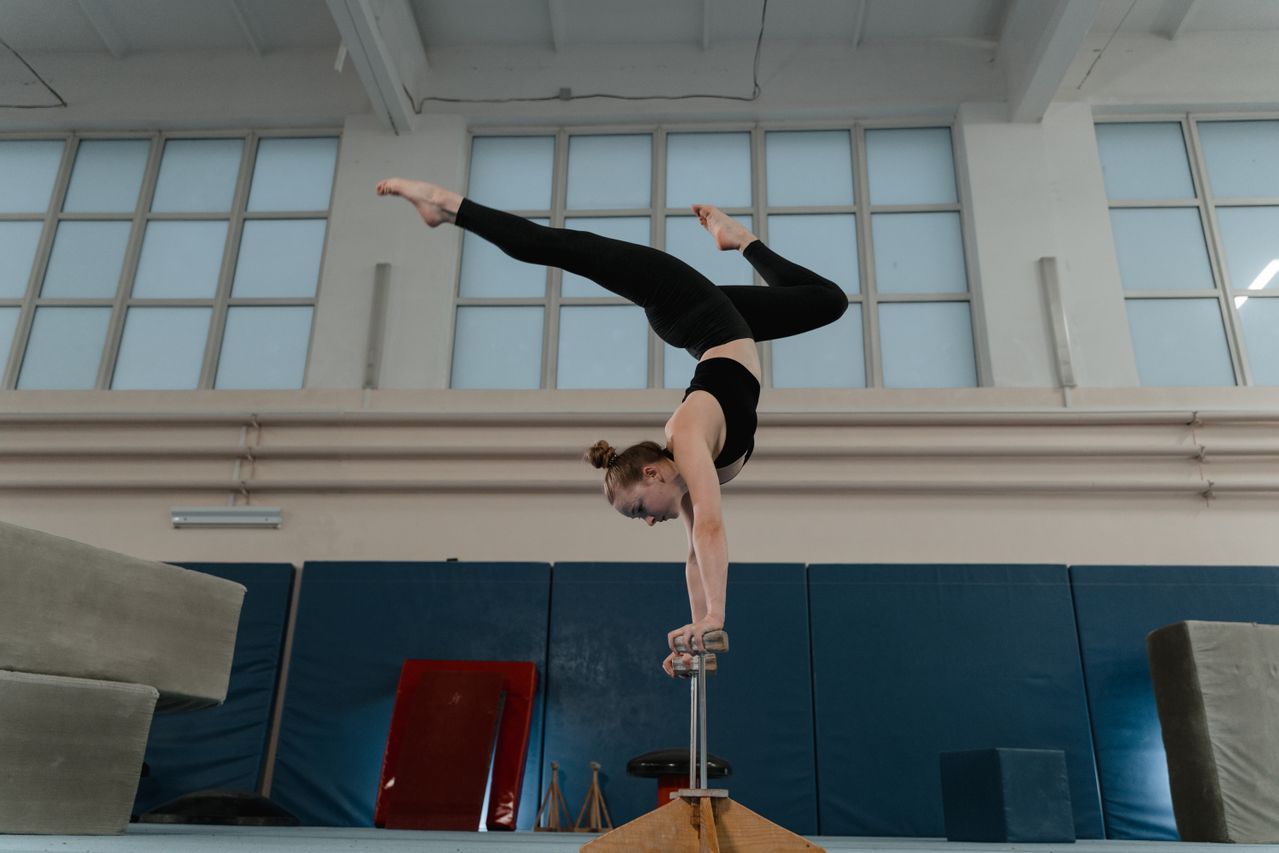
Why Gymnastics Programs Have a Natural Marketing Edge
Before getting into tactics, it helps to name what makes gymnastics marketing different from marketing most other local businesses.
1. Skills progression is visible and dramatic
The physical skills gymnastics students develop, from forward rolls to cartwheels to back handsprings and beyond, are immediately recognizable to parents and children who are not yet enrolled. When a parent sees a video of a seven-year-old landing a clean back walkover, they immediately wonder whether their child could do that. That combination of visible progress and aspiration is genuinely rare in children's activities.
2. The parent community is unusually invested
Gymnastics parents attend classes, watch meets, track skill progressions, and talk to each other. That level of engagement creates an organic word-of-mouth network that less visually compelling activities do not generate at the same intensity. The families who are most invested in your program are also your most credible ambassadors.
3. Multiple entry points drive year-round enrollment
Most gymnastics programs offer preschool classes, recreational classes, tumbling-only programs, competitive team tracks, and summer camps. Each of these is a separate entry point for a new family, and each draws from a slightly different audience. That range of offerings gives you more marketing angles than a single-format program.

Free and Near-Free Marketing Tactics
1. Complete your Google Business Profile before anything else
When a parent searches "gymnastics classes near me" or "kids gymnastics [city name]," the map pack at the top of the results is driven almost entirely by Google Business Profile data. A complete, optimized profile with your address, phone, hours, website, photos of your facility, and at least 15 reviews will place you ahead of competitors who have ignored this channel.
The most effective way to build reviews quickly is to ask directly and personally. A message from the head coach or gym director, sent to your most engaged families, asking for a Google review outperforms any automated request. Keep it simple: "We're working on our Google presence and your feedback would help other families find us." Do not offer incentives for reviews; Google prohibits it and can remove reviews that appear incentivized.
2. Run a structured referral program with every enrolled family
Referrals from current families are your highest-conversion leads. A referred family already trusts your program before they walk in the door, already has a social connection to your community, and tends to retain longer than a family who found you through cold advertising.
Most gymnastics programs generate referrals passively. Building a simple, active system converts that passive goodwill into something consistent. The system has two parts: a direct ask and a clear incentive.
The ask works best as a personal note rather than a mass email. At the start of each session period, send a message from the gym director to each enrolled family: "We're opening enrollment for the fall session and would love to have more families like yours. If you know anyone with a child who might love gymnastics, please send them our way. Families who refer a friend who enrolls receive a month of tuition credit." The incentive does not need to be large. A one-month credit for the referring family or a free month for the referred child is enough to prompt action from families who already have your program top of mind.
3. Post skills progression and class content to Instagram and TikTok
Gymnastics is one of the most visually compelling youth activities available for social media. Video of a child landing their first cartwheel, mastering a round-off back handspring, or competing in their first meet generates organic shares from parents who are proud, grandparents who are delighted, and prospective families who are curious.
Post consistently rather than occasionally. Three to four short videos per week, shot on a phone in good lighting, build more local reach over six months than a single polished production posted once. The highest-performing formats for gymnastics programs are before-and-after skill development clips, class footage showing instructor interaction, skill milestone celebrations, and short instructional tips that demonstrate your coaches' expertise.
Tag your location and city in every post. Use local hashtags combining your city name with gymnastics, tumbling, or cheer. Get signed media consent from every family at enrollment before posting any footage of students, especially minors.

4. Host a free open gym night for prospective families
Open gym nights are one of the highest-converting free marketing tools available to gymnastics programs. Prospective children get onto your equipment under your coaches' supervision, have fun, and leave with a concrete memory of your facility and community. Parents see the space, meet your staff, and watch their child thrive. Conversion from an open gym visit to a trial enrollment is significantly higher than conversion from a website visit.
Run an open gym event at the start of each new session period, promote it through every free channel you have, and have enrollment materials ready at the event. A family who decides to enroll at the open gym should be able to complete registration, sign their waiver, and pay their first billing period before they leave. Having a tablet or phone ready with Classcard's online enrollment flow makes this possible in under five minutes.
5. Partner with preschools and elementary schools
The primary feeder for recreational gymnastics programs is families with children between three and ten years old. Preschools and elementary schools have concentrated access to that exact demographic, and most are open to partnerships that benefit their students.
Practical partnership formats include: leaving class schedule cards or flyers in preschool lobbies (call ahead and ask the director first), offering a discounted free demonstration class for a preschool group during their gym or movement time, donating a scholarship or class credit as a raffle prize for a school fundraiser, or sponsoring a school event in exchange for program visibility. These activities cost primarily time rather than money and can generate a steady stream of new inquiries from families who would not have found you otherwise.
6. Use skill showcases to attract prospective families
Gymnastics skill showcases, sometimes called progress shows or in-gym demonstrations, serve a dual purpose: they reward current students for their development and they give prospective families a reason to visit your facility.
Invite enrolled families to bring one friend or family member who does not currently have a child in the program. Keep the format short, one hour or less, and end with a clear invitation for any prospective family to book a trial class. A show that gives current students a moment to shine in front of their community, and that demonstrates your coaching quality to new eyes, is one of your highest-value marketing events of the year.
Low-Cost Marketing Tactics Worth the Investment
1. Develop a birthday party program
Birthday parties are both a revenue stream and a marketing channel. When a child celebrates their birthday at your gym, the seven to twelve attending children and their parents all experience your facility, your coaching team, and your environment in a low-stakes, positive context. Some fraction of those families will enroll afterward.
A gymnastics birthday party package typically runs $200 to $400 and can cover the facility rental, coaching supervision, and basic party supplies. The marketing value, in the form of exposure to attending families who may have never heard of your gym, is additional to the revenue. Build a party package into your offerings, promote it on your website and social channels, and make booking easy through an online form or direct contact.
2. Summer camp as an enrollment pipeline
Summer gymnastics camps are a significant enrollment opportunity beyond the immediate camp revenue. Many families who are interested in ongoing gymnastics enrollment but hesitant to commit to a full session will try a week-long camp first. A child who has a great camp experience and asks to come back regularly is a converted long-term enrolled student.
Design your camp intake process with this in mind. Give campers and their parents an explicit invitation to enroll in the fall session before camp ends. Have information about fall classes available throughout camp week. A camp that ends with 20% of attendees enrolling in ongoing classes is both a successful camp and a successful marketing event.
3. Local Facebook and Instagram ads with geographic targeting
Once your free channels are running consistently and your website clearly communicates what you offer, paid social ads can accelerate growth at a manageable cost for a local program.
The most cost-effective setup is a geographic radius campaign targeting parents of children in the relevant age ranges within a 15-minute drive of your gym. A budget of $200 to $300 per month is enough to generate meaningful visibility in most local markets. Use your strongest-performing organic video content as the ad creative. Ads that look like real class footage perform better than ads that look like promotional graphics.
Concentrate ad spend around your primary enrollment windows: late August into September for the fall session, and January for the spring session. Running a smaller maintenance budget between enrollment windows keeps your gym top of mind for families who are not ready to enroll immediately.
4. Produce a single quality video for your website
Most gymnastics gym websites undersell what the program looks like in practice. A one-to-two minute video showing your facility, your coaches interacting with students, and your athletes performing skills does more to convert a browsing parent into an inquiry than any amount of written copy.
A professional local videographer typically charges $500 to $1,500 for a small business shoot. That one-time investment continues converting website visitors for two to three years. If that cost is outside your current budget, a well-edited iPhone video shot during a class is meaningfully better than no video at all. Prospective parents want to see what your program looks and feels like before they make contact. Give them the clearest possible picture.
Retention Is Your Most Cost-Effective Marketing
The most overlooked marketing lever for gymnastics programs is retention. A gym that retains 90% of enrolled students year over year grows steadily without heavy acquisition spending. A gym that retains 60% is continuously refilling a leaking roster.
Retention in gymnastics is driven by three things: visible progress tied to milestones, a community that students feel connected to, and communication that keeps families informed and engaged between sessions. These are not marketing budget items. They are operational and coaching decisions.
Practical retention tools include automated billing that runs without friction, milestone acknowledgment when students advance to a new level or achieve a new skill, and follow-up communication when a student misses class. When a family feels that your gym notices and cares about their child specifically, they are significantly less likely to quietly disengage.
Your First 30 Days: A Marketing Checklist
These are the actions to take first if you are starting from scratch or rebuilding your marketing approach.
Week one
- Claim and complete your Google Business Profile with photos, hours, class schedule, and website link
- Send personal referral asks to your 15 most engaged enrolled families
- Audit your website: does it load on mobile, does it show your class schedule, is there a clear inquiry form
Week two
- Post three videos of class content to Instagram or TikTok
- Contact two local preschools about leaving class schedule cards in their lobby or scheduling a demonstration
- Set a date for an open gym night or skill showcase in the next four to six weeks
Week three
- Start a monthly parent email using Mailchimp's free tier (up to 500 contacts)
- Add every enrolled family, former student contact, and inquiry lead to your email list
- Develop a simple birthday party package if you do not already have one
Week four
- Promote your open gym event through every channel you have set up
- Confirm that new families can complete enrollment, sign their waiver, and pay online without staff assistance
- Set a recurring reminder to post social content three to four times per week
None of these steps require advertising budget. The combined impact of completing all of them consistently over 90 days is significantly larger than running paid ads before these foundations are in place.
Frequently Asked Questions
How much should a gymnastics program spend on marketing?
A commonly used benchmark is 5 to 10% of monthly revenue. For a gym generating $15,000 per month, that is $750 to $1,500 per month in marketing investment. The most important thing is spending that budget on channels that are working rather than spreading it across every available option. Most programs get better results concentrating their budget on one or two paid channels, like local social ads and a quality website video, rather than experimenting with many channels simultaneously at low spend.
Does social media actually bring in new gymnastics students?
Organic social media builds awareness and maintains relationships with families who are already in your orbit: past inquiry families, former students, and friends of current enrolled families. It rarely generates cold enrollment from people who have never heard of your gym. The higher-value functions of social posting are reinforcing the decision of families who are already interested and staying top of mind for families who are not quite ready to enroll. Paid social with geographic targeting is more effective for reaching genuinely new families.
What is the best marketing channel for preschool gymnastics specifically?
Preschool gymnastics enrollment is driven heavily by word of mouth among parents of young children, local Facebook groups and neighborhood apps like Nextdoor, and partnerships with local daycares and preschools. A parent of a three-year-old looking for activities is more likely to ask their parent network for recommendations than to run a Google search. Making sure your current preschool families are actively referring and that you have visibility in local parent communities is more effective for this demographic than most paid channels.
How do I market a competitive gymnastics team differently from a recreational program?
Recreational program marketing focuses on the activity itself: the skills, the fun, the physical development, and the community. Competitive team marketing focuses on the coaching quality, the meet results, the athlete development pathway, and the program's track record of athlete advancement. Prospective competitive families are evaluating whether your gym can help their child reach specific goals. Highlighting coach credentials, USAG affiliations, meet results, and the structure of your competitive pathway is more persuasive for this audience than general class footage.
Should gymnastics programs run promotions and discounts to attract new students?
Discounts can drive trial enrollment but attract price-sensitive families who are likely to leave when the discount ends. A better approach is a free or low-cost trial class, which gives prospective families a direct experience of your program's value before committing. Families who enroll after experiencing your coaching are more likely to stay than families who enrolled because of a pricing promotion. If you run introductory offers, structure them as a first-session trial rather than a percentage discount on ongoing tuition.
How do you market gymnastics to older kids who are just starting out?
Older beginners, typically ages 8 to 12 who are new to gymnastics, are a distinct audience from preschool starters and from families considering the competitive track. Marketing to this group should address the common concern that it is too late to start. Highlighting adult beginner classes, recreational programs without age cutoffs, and the non-competitive recreational pathway reassures families that their child can start at any age and still have a positive, skill-building experience. Testimonials from families whose children started late and progressed well are particularly persuasive for this audience.