

Music recitals do more than showcase talent. Used intentionally, they become checkpoints for skill progression, diagnostic tools for teachers, and communication bridges with parents. They support progression by turning learning into clear milestones, enable differentiation by matching performance difficulty to each student's learning stage, and drive retention by making progress visible and emotionally meaningful for families.
For most music academies, a music recital is treated as the final act, a performance day that marks the end of a term. Students practice, parents attend, pictures are taken, and then everyone moves on.
But what if recitals weren’t the end of the learning journey? What if they were one of your most powerful tools for student growth, progression in music, and differentiated learning?
When planned intentionally, music recitals can do far more than showcase talent. They can actively shape how students learn, progress, and stay motivated. In this blog, we take a closer look at how music recitals can go beyond performances to actively support student growth. Let’s dive in!
What is a Recital in Music, Really?
At its core, it’s a structured performance where students present pieces they have been learning in solo or in groups to an audience.
But for music academy owners, a music recital can also be:
- A checkpoint for skill progression.
- A motivational milestone for students.
- A diagnostic tool for teachers.
- A communication bridge with parents.
When you shift the mindset from ‘stage event’ to ‘learning milestone,’ a music recital becomes far more valuable.
How Using Music Recitals Can Support Progression in Music
Clear progression is one of the biggest challenges music academies face, especially when students learn at different speeds. In a single class, you may have students who pick up concepts quickly and others who need more time to build confidence and technique. Without visible milestones, it becomes difficult for both parents and students to understand what progress actually looks like.
This is where music recitals play a powerful role.
Below are a few ways how a music recital can support real progression:
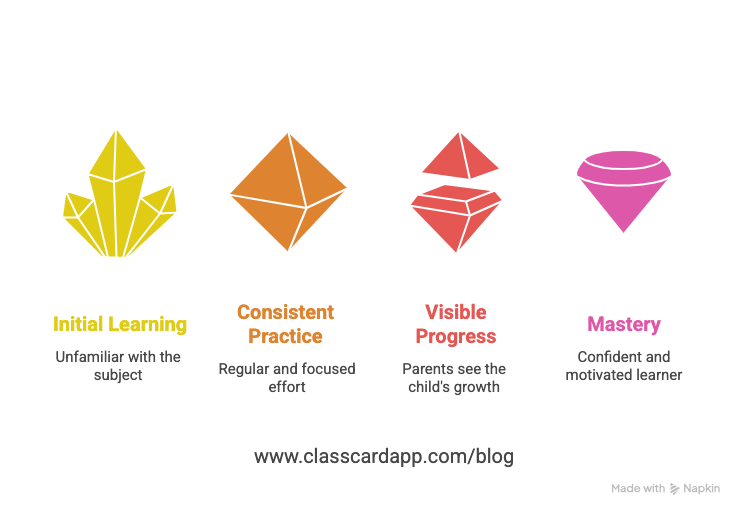
1. Turning learning into clear milestones
Recitals give students a concrete, time-bound goal. Instead of practising ‘in general,’ they practise towards something specific - mastering a piece, refining technique, or performing with confidence. These milestones make progression in music feel structured rather than abstract.
2. Encouraging consistent and focused practice
When students know they will be performing, practice naturally becomes more intentional. Teachers can guide students on what to focus on, like rhythm, dynamics, posture, articulation rather than just ‘playing through’ a piece. Over time, this builds discipline and stronger practice habits.
3. Making progress visible to parents
Parents often struggle to assess improvement because musical growth can be subtle. A recital makes progress tangible. Instead of asking, “Is my child improving?,” parents can clearly see progression in music, from stronger posture to improved timing, expression, and stage confidence.
4. Reinforcing confidence and motivation
Progress isn’t just technical, it’s emotional too. Performing a piece successfully, no matter how simple, boosts confidence. For many students, especially beginners, this sense of achievement becomes a key motivator to continue learning.
💡 Pro tip - Design recitals around learning stages (Beginner, Intermediate, Advanced) rather than age alone.
This approach:
- Reduces unhealthy comparison between students.
- Allows each student to perform at an appropriate challenge level.
- Celebrates progress, not perfection.
A beginner playing a short, well-prepared piece can feel just as accomplished as an advanced student performing a complex composition. This reinforces the idea that growth matters more than speed, which is essential for long-term student retention.
How Music Recitals Enable Differentiation in Music Classroom
Every teacher knows this truth: no two students learn or progress in the same way. Some grasp rhythm instantly but struggle with expression. Others take time with technique but shine musically once they are confident.
That’s why differentiation in the music classroom is essential. And when designed intentionally, music recitals can actively support this differentiation rather than work against it.
Below are the ways how recitals make differentiation practical:
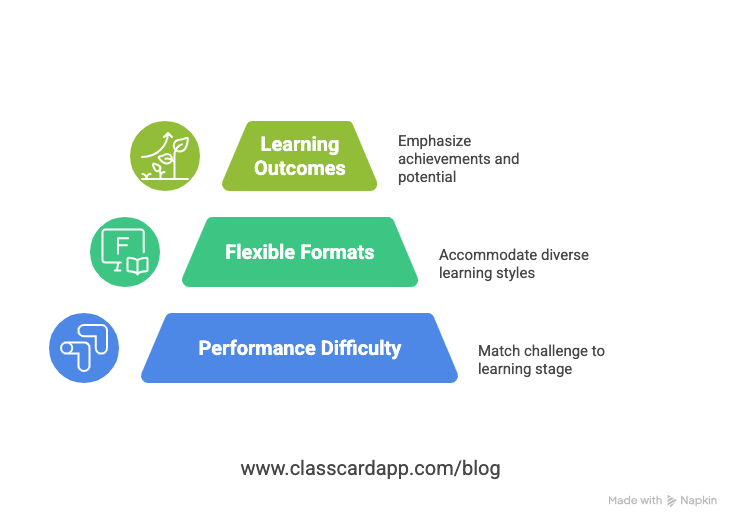
1. Matching performance difficulty to the learning stage
Recitals don’t have to be one-size-fits-all. Beginners can perform shorter or simplified pieces that focus on fundamentals like posture, rhythm, or note accuracy. Advanced students, on the other hand, can explore complex compositions, improvisation, or expressive interpretation.
This ensures every student is challenged but not overwhelmed.
2. Offering flexible performance formats
Not every student thrives in the same performance setting. Some students gain confidence performing solo, while others feel more comfortable in duets or group performances. Ensemble pieces also allow mixed-level collaboration, where students learn from one another without direct comparison.
This flexibility supports different personalities, confidence levels, and learning styles.
3. Highlighting learning outcomes, not just talent
A well-designed recital acknowledges where each student is, not where they “should” be. By aligning each performance with a specific learning objective such as timing, dynamics, or stage presence, teachers reinforce progress rather than perfection.
Parents, too, begin to appreciate effort and improvement, not just technical brilliance.
💡 Pro tip - Build differentiation into recitals:
- Reduce performance anxiety as students aren’t forced into unrealistic expectations.
- Boost confidence by measuring success through progress, not comparison.
- Drive higher engagement as both developing and advanced learners feel seen, challenged, and valued.
Most importantly, students stay motivated. They don’t feel left behind or held back and feel supported.
Designing a Thoughtful Music Recital Program Template
A strong recital starts with planning. Using a music recital program template helps academies stay organised and intentional.
A simple program template might include:
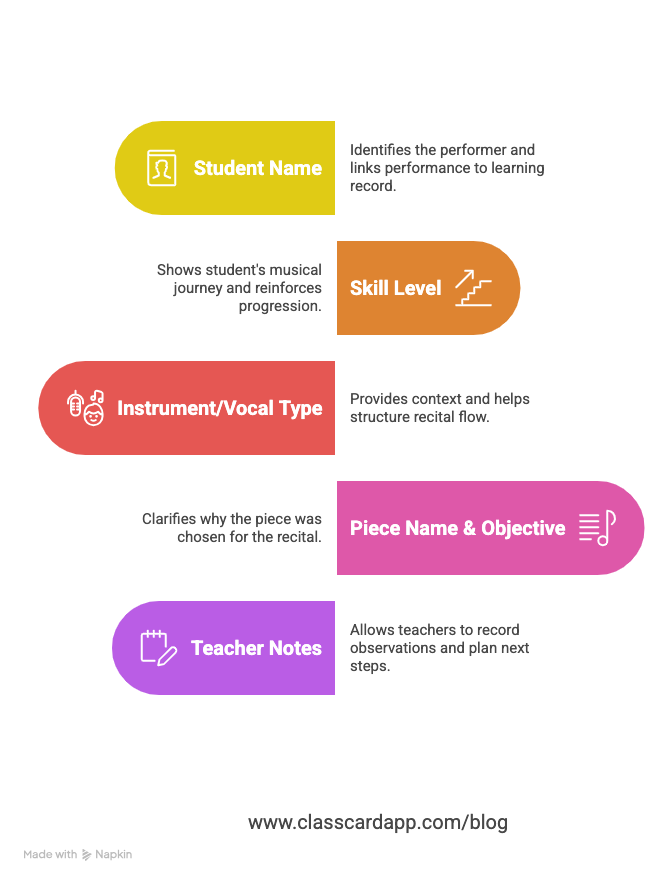
1. Student name
Identifies the performer and links the recital performance to the student’s learning record.
2. Skill level or learning stage
Indicates where the student is in their musical journey, helping position the recital as a progression milestone rather than a comparison.
3. Instrument / vocal type
Provides context for the recital performance and helps organise the program flow.
4. Recital piece name & learning objective
Clarifies why the piece was chosen for the recital - whether to demonstrate technique, rhythm, expression, or stage confidence.
5. Teacher notes
Captures post-recital observations to inform feedback, future lesson planning, and ongoing student progression.
This structure helps teachers align performances with learning goals and not just popularity or difficulty of pieces.
Over time, these programs also become a record of student growth, making it easier to track long-term progression.
How a Well-Planned Music Recital Drives Retention and Engagement
When students feel that their growth is recognized, they are far more likely to stay committed. Music recitals play a unique role as they combine learning, emotion, and achievement in a single experience.
A well-planned recital does more than put students on stage. They:
1. Give students a clear goal to work toward
Having a recital on the calendar creates purpose. Students practise with intention, knowing exactly what they are preparing for and why it matters.
2. Help parents understand the learning journey
By seeing performances aligned with learning levels and objectives, parents gain clarity on how skills are developing over time, not just whether a piece sounds good.
3. Create emotional moments that build loyalty
Recitals are often deeply meaningful for families. These moments strengthen emotional connection to the academy, making it more than just a place for lessons.
4. Reinforce the value of structured music education
When recitals clearly reflect progression and differentiation, they showcase the academy’s teaching philosophy and professionalism.
What a Music Recital Means for Music Academy Owners
When music recitals are used intentionally, academy owners begin to see tangible outcomes:
1. Improved student retention
Students who feel motivated and supported are less likely to drop off between terms.
2. Clearer, more confident parent communication
Recitals become a reference point for conversations about progress, next steps, and long-term learning.
3. Stronger academy credibility
Structured, purpose-driven recitals signal quality teaching and thoughtful program design, building trust with both current and prospective parents.
Making Music Recitals Part of a Bigger Learning Journey
When approached with intention, a music recital becomes far more than a performance day. It becomes a learning milestone, a progress checkpoint, and a powerful engagement tool for students, parents, and teachers alike.
By aligning recitals with clear learning stages, differentiated goals, and thoughtful program design, music academies can:
- Make student progression visible and meaningful.
- Support differentiation in the music classroom.
- Keep students motivated and confident.
- Build stronger, long-term relationships with parents.
However, the challenge for many academy owners isn’t understanding the value of recitals, it’s managing and tracking all the moving parts behind them.
That’s where Classcard comes in.

- Tracks student progression across terms.
- Organises students by learning stage, not just age.
- Documents recital goals and outcomes.
- Communicates progress clearly with parents.
When your systems support your teaching philosophy, recitals stop feeling like one-off events and start becoming part of a structured, connected learning journey.
Because the most impactful music academies don’t just prepare students to perform, they guide them to grow. Don’t you agree?
Frequently Asked Questions
How often should music academies organise recitals?
One recital per term or semester. This gives students enough time to prepare properly while creating regular checkpoints for progression in music.
Do beginners benefit from participating in a music recital?
Yes. Music recitals help beginners build confidence, develop performance skills early, and clearly demonstrate progress to parents, even with simple pieces.
How can music recitals support differentiation in the music classroom?
Recitals allow teachers to assign pieces and performance formats based on each student’s learning level, ensuring students are challenged appropriately without unfair comparisons.
How do music recitals help with student retention?
Music recitals help with student retention by making progress visible and emotionally meaningful, recitals increase motivation, strengthen parent trust, and encourage students to continue long-term.
Should a music recital focus on performance quality or learning progress?
Music recitals should focus on learning progress over perfection. When performances are tied to clear learning goals, students feel encouraged, parents see real progress, and recitals highlight growth.