

A student who misses class without notice doesn't just leave an empty mat or chair. They take up a spot that another student could have filled, disrupt your instructor's energy, and quietly disengage from your program. Studios that track their numbers carefully find that no-show rates between 10 and 20% are common, and that even a modest improvement in attendance has a measurable impact on retention and revenue.
No-shows are not random. They follow patterns, and those patterns can be addressed. Most studios that struggle with attendance are missing a handful of structural fixes, not some elusive motivational formula. This guide covers 12 specific strategies, from the technical to the human, that reduce no-shows at class-based studios across martial arts, swim, gymnastics, dance, and similar programs.

Why Students Miss Class (and Why It Matters)
Before you can fix no-shows, it helps to understand why they happen. Most missed classes fall into one of four categories.
Forgetting. The session wasn't on their radar. No reminder arrived in time. Life moved on and the class didn't.
Friction. Something made showing up feel harder than skipping: traffic, a parking issue, a minor illness, a competing obligation. The student lacked a strong enough reason to push through.
Disengagement. The student is quietly drifting. They haven't quit but they've stopped prioritizing. No-shows are often the first visible symptom of a student who will churn in the next 60 to 90 days.
Policy gap. There is no consequence for missing, no makeup system that creates accountability, and no communication that signals the school expects attendance.
Each of these has a different fix, which is why a single tactic rarely solves the whole problem.
12 Strategies to Reduce No-Shows at Your Studio
1. Send Automated Reminders at the Right Times
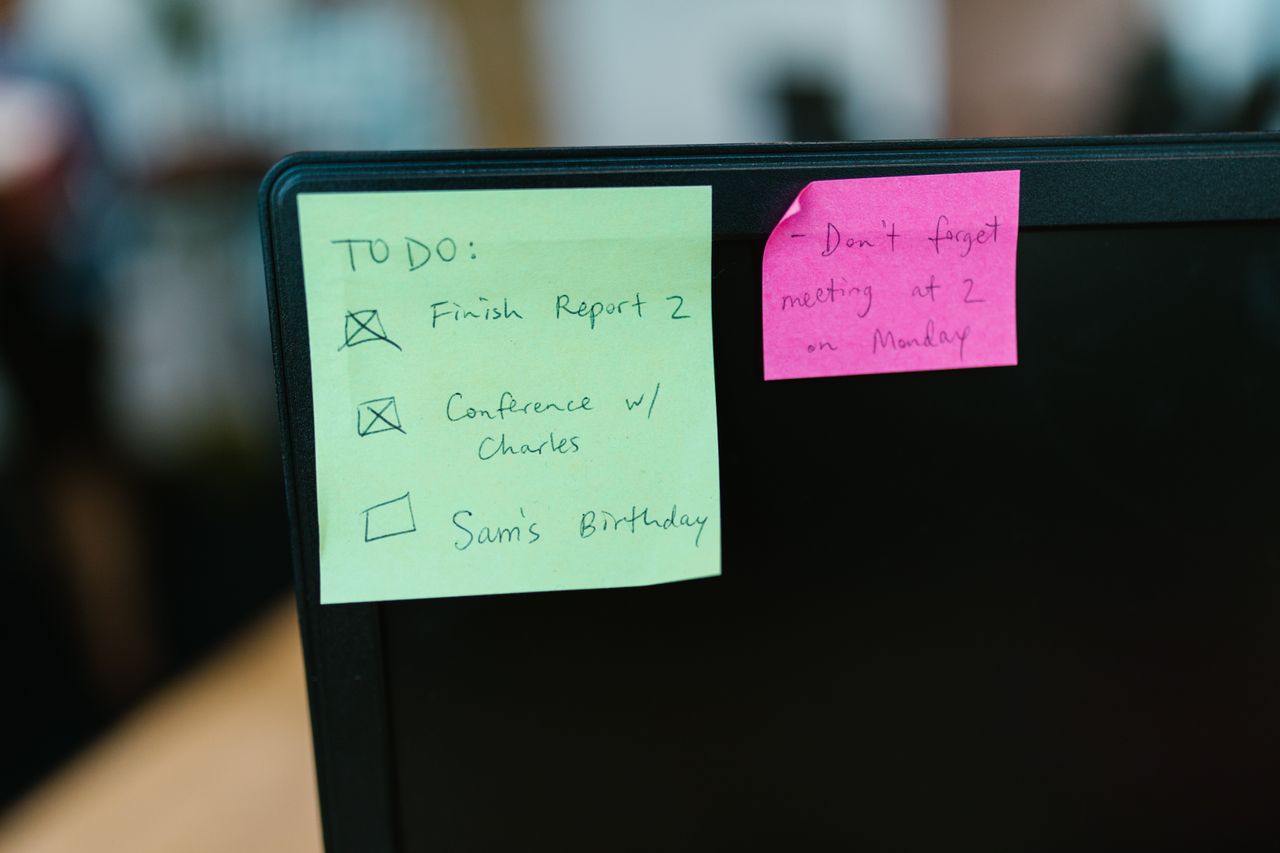
The single most impactful change most studios can make is adding automated session reminders. Studies of appointment-based businesses consistently show that reminders sent 24 to 48 hours before a session reduce no-shows by 20 to 30%.
Send two reminders per session: one 48 hours out and one the morning of the class. The 48-hour reminder gives families time to reschedule or cancel if something has come up. The morning-of reminder puts the class back on the family's radar when they're planning the day.
SMS reminders outperform email for same-day notifications. Email works well for the 48-hour window. If your software supports both channels, use them together. If you're sending reminders manually, automate that process before any other change.
2. Implement a Clear Cancellation Policy and Enforce It
A cancellation policy only works if it is communicated clearly at enrollment and applied consistently. Most studios that struggle with no-shows either have no formal policy or have one they don't enforce.
A standard policy for class-based studios: cancellations made at least 24 hours before the session are processed as a makeup credit; cancellations made within 24 hours, or no-shows without notice, forfeit the session fee. Put this in writing in your enrollment agreement, reference it in your welcome communication, and apply it the same way to every student.
Enforcing the policy is not punitive. It is professional. Families who understand that sessions have value and that no-shows have a cost are more likely to either show up or cancel in advance, both of which are better outcomes than a silent no-show.
3. Require Credit Card on File for All Enrollments
Studios that collect payment at enrollment and keep a card on file see significantly lower no-show rates than those who invoice after the fact. When a family has paid, they have a financial reason to show up or to manage their schedule consciously.
Requiring a card on file also enables automated billing and failed payment retries, which reduces the friction of chasing payments separately from the attendance problem. Classcard's enrollment flow collects payment and e-signature waivers in a single online step, so new students arrive for their first class already financially committed.

4. Create a Structured Makeup Class System
Families who miss class often feel like the session is simply lost. If there is no clear path to a makeup, missing becomes less costly and the habit of showing up weakens.
A well-designed makeup system gives students a tangible reason to engage even after a missed class. Key elements: makeups are available within a defined window (30 to 60 days is standard), they are restricted to classes at the equivalent level with available capacity, and they are booked through self-service so families don't need to call.
When students know a missed class can be recovered, no-shows feel lower-stakes in a good way: families are more likely to proactively cancel in advance (instead of just ghosting) because they know a credit is waiting for them.
5. Personalize Follow-Up After Every Missed Class
The default response to a no-show at most studios is silence. A simple, personal message after a missed class does two things: it signals that the student was noticed and missed, and it opens a door for the student to re-engage before disengagement becomes permanent.
This doesn't need to be elaborate. A message along the lines of "We missed [student name] in class today, hope everything is okay, here's how to book a makeup" takes 30 seconds and changes the dynamic entirely. Automate this where possible, but keep the tone warm and personal rather than transactional.
Studios that implement a missed-class follow-up sequence consistently see better attendance in subsequent weeks from the students who receive it.

6. Track Attendance Patterns and Intervene Early
Students who start missing class once every two or three weeks are at high risk of churning within 90 days. The pattern is visible in attendance data before the family ever says they're thinking of leaving.
Set a trigger: any student who misses two consecutive classes or three classes in a rolling 30-day period gets a personal outreach from a staff member or instructor. Not a generic reminder, but a real message: "We've noticed [student name] hasn't been in class recently, is everything okay, is there anything we can do to help?"
Early intervention is significantly more effective than a renewal conversation at the point of cancellation. The goal is to identify disengagement before it becomes a decision.
7. Reduce the Friction of Getting to Class
Some no-shows have nothing to do with motivation and everything to do with logistics. Parking, traffic, timing, weather, and competing family commitments are all real barriers. You can't eliminate them, but you can reduce the effort required to show up consistently.
Practical ways to reduce friction: confirm session times haven't changed and are easy to find in your communication, make sure the parking situation is clearly communicated to new families, send schedule reminders at the start of each week for families who have recurring sessions, and make rescheduling easy enough that families do it instead of just not showing.
The easier it is to manage attendance, the more likely families are to stay engaged even when life gets complicated.

8. Build a Community That Students Don't Want to Miss
Students who feel connected to the instructor and to other students in their class show up more consistently than students who feel anonymous. Community is a retention mechanism, and it directly affects attendance.
Small practices make a measurable difference: instructors who learn and use students' names from day one, brief acknowledgment of student milestones in class, group chats or parent communication channels that create a sense of shared experience. When a student feels that their classmates will notice their absence, the social cost of not showing up increases.
For youth programs, this applies equally to the parent community. Parents who know other parents, who feel invested in the school, and who see their child's progress are far more likely to protect class time on the family calendar.
9. Offer a Waitlist for Full Classes
A waitlist is not just an enrollment tool. It is a powerful motivator for enrolled students to show up or cancel in advance.
When students know a class is full and someone is waiting for their spot, canceling with notice becomes an act of consideration rather than just a logistics task. Some studios communicate this directly: "Our Thursday 5pm class currently has students on the waitlist. If you can't make it, please cancel at least 24 hours ahead so we can offer the spot to a waiting family."
This framing shifts the culture around attendance. Showing up, or thoughtfully canceling, becomes something students do for the community, not just for themselves.

10. Use Progress Milestones to Reinforce Attendance
Students who are tracking toward a visible goal, a belt test, a level advancement, a performance or recital, miss class less often than students with no near-term milestone in view.
Build your curriculum so that progress is visible and near-term goals are always present. Communicate where each student is in their progression, what they're working toward, and what they need to achieve before the next milestone. When missing a class has a visible cost (slower progress toward the next level), attendance feels more consequential.
This is especially effective with younger students where parents drive the attendance decision. A parent who can see their child is close to a belt test or level advancement will protect class time on the family calendar far more deliberately.
11. Audit Your Class Times Against Your Students' Schedules
High no-show rates at specific class times often reflect a scheduling mismatch, not a motivation problem. A 4pm class in a school district where most children are still in after-care until 5pm will always struggle. A Saturday morning class that competes with youth soccer leagues will always lose.
Once or twice a year, review your attendance data by class time and day. Classes with consistently high no-show rates may be scheduled against a structural barrier you can resolve. Survey active families about their ideal class times before your next schedule refresh. Small schedule changes can produce meaningful attendance improvements.
12. Make the First 90 Days a Priority
No-show habits form early. A new student who misses class in their first month is significantly more likely to become a chronic no-show than a new student who attends consistently from the start.
Treat the first 90 days of enrollment as a distinct phase with its own communication cadence. New families should receive a welcome sequence that explains expectations, introduces them to the community, and makes the first few weeks feel like a special period. Instructors should know who the new students are in each class and give them additional attention and acknowledgment.
Attendance in the first 90 days is the strongest predictor of long-term retention. Protecting it is not just about no-shows; it is about whether students stay for a year or leave after two months.

Building a No-Show Reduction System
Individual tactics help, but the studios with the best attendance rates run these strategies as a connected system. Reminders trigger before class, follow-ups trigger after a missed class, attendance data surfaces at-risk students for personal outreach, and the policies backing it all are applied consistently.
The administrative overhead of running this manually grows quickly past 30 or 40 students. Classcard automates the billing, enrollment, and communication layer of this system, so reminders send, follow-ups go out, and attendance is tracked without requiring staff to manage each step individually. At $99/month flat regardless of enrollment size, it scales with your program.
Frequently Asked Questions
What is a normal no-show rate for a fitness or activity studio?
No-show rates between 10 and 20% are common across class-based studios. Well-run programs with strong reminder systems, clear cancellation policies, and active follow-up processes typically see rates below 10%. Rates above 20% usually indicate a structural gap in either communication, policy enforcement, or community engagement.
Do reminders actually reduce no-shows significantly?
Yes. Research across appointment-based businesses consistently shows that automated reminders reduce no-shows by 20 to 30% compared to no reminders. The timing matters: a 48-hour reminder combined with a same-day reminder outperforms a single reminder at either interval. SMS outperforms email for same-day notifications.
Should I charge a no-show fee?
A no-show fee can work, but it introduces friction in the client relationship if not communicated clearly upfront. An alternative that many studios find more effective is a cancellation policy that forfeits the session credit rather than adding a new charge. The practical outcome is similar, but forfeit feels less punitive than a surprise fee. Whatever policy you choose, communicate it at enrollment rather than the first time it applies.
How do I handle repeat no-shows from the same student?
Address them directly and personally rather than through a generic policy reminder. A conversation along the lines of "We've noticed [student name] has missed a few classes recently, we want to make sure we're meeting their needs" opens the door to understanding whether there is a scheduling issue, a motivation issue, or a sign that the family is considering leaving. Most families respond better to this kind of care than to a policy enforcement message.
Can a makeup class system increase no-shows by reducing the cost of missing?
Poorly designed makeup systems can have this effect. If makeups are unlimited, easy to book at any time in any class, and never expire, the incentive to show up to the scheduled session weakens. Design your makeup policy with boundaries: a defined window (30 to 60 days), level-appropriate restrictions, and a per-term cap if needed. These constraints preserve the value of attending the scheduled session while still giving families a meaningful recovery option.
What communication channel works best for attendance reminders?
SMS has the highest open rate for time-sensitive messages. Email works well for advance reminders (48 hours out) and for longer communications like welcome sequences or progress updates. Push notifications through a parent portal app reach families who have opted in and engaged with your platform. Using two channels, SMS and email, for the 48-hour reminder and SMS alone for the same-day reminder is the combination most studios find most effective.