

Acquiring a new student costs five to seven times more than retaining an existing one. Most studio and academy owners know this, and yet retention is still treated as an afterthought, something that happens naturally if the classes are good enough.
The reality is that great teaching alone doesn't keep families enrolled. Parents re-enroll when they feel informed, valued, and connected to your academy. They leave when they feel forgotten between terms, confused by the billing, or unaware of how their child is progressing. The good news is that the factors driving churn are almost entirely within your control.
This guide covers ten strategies that consistently move the needle on retention across dance studios, gymnastics academies, swim schools, martial arts programs, music schools, and tutoring centers. They're not complicated, but the studios that do them consistently are the ones with waiting lists.
Why Students Leave (And It's Rarely About the Classes)
Before we get into solutions, it's worth understanding the problem clearly. When a family doesn't re-enroll, the most common reasons are:
- They didn't feel progress. The child attended for a term, and the parent has no concrete sense of what improved. Without visible milestones, it's hard to justify the cost of another term.
- The admin experience frustrated them. A confusing invoice, a missed reminder, a difficult re-enrollment process, or unanswered messages at the wrong hour. Small friction points accumulate into a decision not to renew.
- Life got in the way, and nobody reached out. A few missed classes due to illness, a school exam period, a holiday, and then it just... stopped. Nobody from the academy followed up. The habit broke.
- They felt like a number. In busy academies, parents can feel invisible unless their child has a problem. The families who stay longest are those who feel genuinely known by coaches and staff.
The strategies below address each of these root causes directly.
1. Track Attendance and Act on the Early Warning Signs
A student who misses two classes in a row is showing you, in data, that they're at risk of leaving. Not every absence means a student is about to quit, but a pattern of declining attendance almost always precedes a withdrawal.
The problem is that most studios don't have a system that makes this visible. Attendance is recorded on a paper register or in a spreadsheet, and unless a staff member actively checks, a declining student goes unnoticed until they're already gone.
What to do instead: Track attendance digitally and set a rule: any student who misses two or more consecutive classes triggers a personal outreach from the coach or front desk. Not a mass email, a personal message. "Hi Sarah, we missed Ella in class this week. Hope everything's okay, just wanted to check in." That single message, sent quickly, recovers a significant number of at-risk students.
The key is that this outreach happens automatically, based on attendance data, and not when someone remembers to check a spreadsheet. Classcard's attendance tracking gives you a live view of who's attending and who isn't, so your team can act on declining patterns before they become withdrawals.

2. Make Student Progress Visible to Parents
Parents can't see what happens inside your class. A child who says "it was fine" gives their parent nothing to go on. If the parent can't see concrete evidence of growth - skills learned, levels progressed, milestones hit - the classes can start to feel like an expense without a return. And when it's time to decide whether to re-enroll for another term, that vague sense of "I'm not sure what they're actually getting out of this" is often enough to tip the decision the wrong way.
Progress reporting isn't just good pedagogy; it's a commercial strategy. Parents who can see their child developing stay enrolled. Parents who can't see it leave.
What to do instead: Build a simple, consistent progress reporting cadence. A brief end-of-term skill assessment shared with parents goes a long way. Even better: share small milestone moments in real time. "Maya completed her first back handspring today" sent via the student and parent portal the day it happens creates a memory and a reason to stay. These don't need to be long, a sentence or two with a photo from class is enough to make a parent feel informed and grateful. Over a term, those moments compound into a strong sense of progress that makes re-enrollment feel obvious.

3. Nail the Re-Enrollment Window
The most common time a family leaves is between terms. They don't make an active decision to quit; they just don't get around to re-enrolling, life moves on, and by the time the next term starts, they've lost the habit. The longer the gap between terms, the higher your risk of losing them.
A well-managed re-enrollment window eliminates this drift. The goal is to make re-enrollment feel like a continuation, not a new decision.
What to do instead: Open re-enrollment for current students 2-3 weeks before new students can book. This gives them priority access to their preferred class time - a tangible reward for loyalty that also creates a mild sense of urgency. Send a personal reminder (not just a generic newsletter) 10 days before the window closes, and a final reminder 48 hours before. Make the re-enrollment itself a single click, not a multi-step process that requires digging out payment details.
Early-bird discounts for re-enrolling by a specific date work well in competitive markets. They create urgency without feeling pushy. Even a modest incentive (a free class, a discount on next term) signals that you value their loyalty. The families who feel genuinely appreciated are the ones who re-enroll without needing to be asked twice.
4. Build a Culture That Parents and Students Are Proud Of
People don't just buy a service, they join a community. The families with the highest lifetime value at most studios aren't just there for the classes; they're there because they feel a sense of belonging. Their child has friends in the class. They chat with other parents at pick-up. They look forward to the end-of-term showcase.
This community dimension is surprisingly easy to build deliberately, and it's very hard for a competitor to replicate once it exists. A parent who has formed friendships through your studio and whose child has a close friend in their class isn't just a customer, they're embedded.
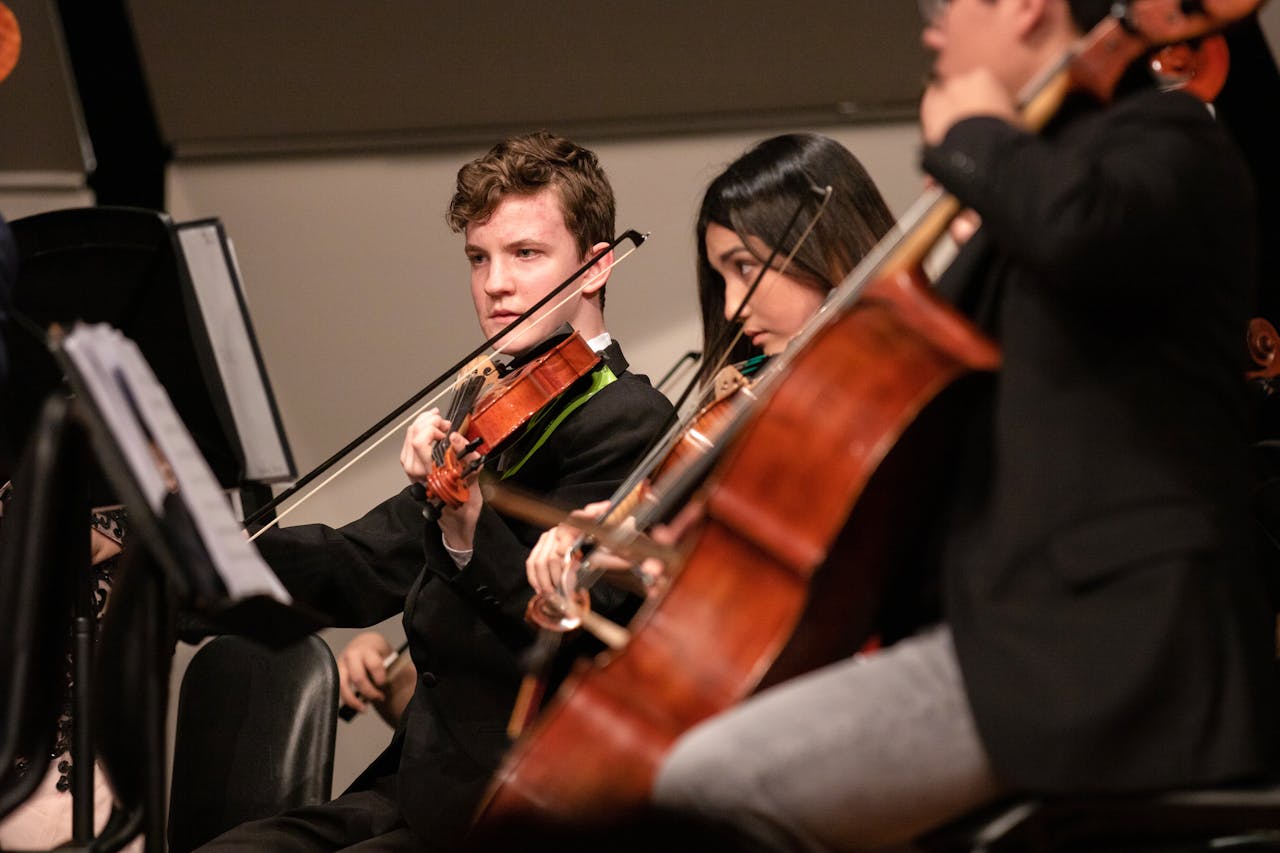
What to do instead: Create regular touchpoints that go beyond the class itself: end-of-term performances or showcases, milestone celebrations (belt promotions, level progressions, swim badges), social media features spotlighting student achievements, and informal events that bring parents together. None of these need to be expensive. A 20-minute parents' coffee morning at the start of a new term costs almost nothing and builds more loyalty than months of email newsletters. The goal is to make the academy feel like a place, not just a timetable slot.
5. Communicate Consistently, Before Parents Have to Ask
One of the most common reasons parents feel disconnected from a studio is that they're always the ones initiating contact. They have to chase an invoice, ask about what's being taught this term, or message to find out why the class time changed. That pattern, where the parent is always reaching out and the studio is always reacting, subtly signals that the academy doesn't have things under control.
Proactive communication flips this dynamic entirely. When parents receive regular, useful updates without having to ask for them, they feel informed and cared for. This builds exactly the kind of trust that drives long-term retention.
What to do instead: Build a communication calendar alongside your class calendar. Set up automated reminders for upcoming classes, payment due dates, and term renewals. Send a brief "what we're covering this term" update at the start of each new term. After every showcase or milestone event, send a personal thank-you to the families who attended. None of this needs to be written manually each time; set it up once in your class management platform and let it run. The families who feel consistently informed are the ones who don't go looking for alternatives.

6. Solve the Make-Up Class Problem
Make-up classes are a persistent operational headache for almost every studio and academy. A student misses a session, the parent asks about a make-up, staff have to manually check availability, message back and forth, update the register, and the whole thing takes 20 minutes of admin for what should be a 30-second task.
But beyond the admin burden, how you handle make-up classes directly affects retention. A parent who has to chase a make-up class three times and eventually gives up has had a frustrating experience that colours how they feel about your studio overall. A parent who books a make-up through the app in 30 seconds has had a seamless experience that reinforces their confidence in you.
What to do instead: Create a clear, written make-up class policy and communicate it to every new family during onboarding, not when they first ask about a make-up. Systematize the booking process so parents can self-serve wherever possible. When students use their make-up credits, confirm it proactively; don't make them wonder if it was recorded. A studio that handles make-up classes gracefully earns a disproportionate amount of goodwill compared to the effort involved.
7. Invest in Coach Relationships
Parents enroll their child in a studio. They re-enroll because of a coach.
The relationship between a coach and a student is often the single most powerful retention factor, particularly for younger children and families who've been with you for more than one term. When a beloved coach leaves a studio without warning and no transition is managed, entire classes of students follow them, or simply don't re-enroll. When a coach knows every student by name, remembers what they're working on, and celebrates their progress explicitly, families develop a loyalty to that coach and to the academy that almost nothing can displace.
What to do instead: Support your coaches in building personal connections with students. This means knowing students' names before they walk in, remembering what each child is working on, and occasionally noting small personal details ("you mentioned your school concert is next week, hope it goes well"). Train coaches to celebrate progress explicitly, not just with a badge, but with a specific, personal acknowledgment. "Emma, I saw how hard you worked on that routine this term. It really shows." On the operational side, brief your team before any coach transition so you can proactively communicate the change to affected families, rather than leaving parents to discover it on the day.
.jpg)
8. Give Parents a Portal They'll Actually Use
A branded parent portal, one where families can view their child's schedule, check their progress, pay invoices, and manage their account, does two things for retention. First, it removes friction from every administrative interaction. Second, it makes your academy feel more professional and established than a competitor who still manages everything by WhatsApp.
The stickiness of a portal is also worth noting. Once a parent has set up their account and is checking their child's schedule and progress regularly, your academy has become part of their routine. That integration into daily life creates a form of loyalty that's surprisingly hard to displace, because switching to another studio doesn't just mean finding a new class, it means losing the progress history, the familiar interface, and the convenience they've built up.
What to do instead: Make sure your portal is genuinely mobile-friendly (most parents are managing everything from their phone). The experience should feel like a modern app, not a desktop website squeezed onto a small screen. Encourage parents to set it up in the first week of enrollment, not when they eventually have a question. Classcard's Progressive Web App (PWA) is included at no additional cost, giving parents a branded experience they can add to their home screen without downloading anything from an app store. The Classcard Student App (available on both iOS and Android) allows parents to conveniently stay on top of their child’s schedule, attendance, progress, and payments, all on the go.
9. Use Referrals to Strengthen Community and Fill Classes
Families who refer another family to your academy are almost never the ones who leave. The act of recommending your studio to someone they know reinforces their own commitment to it and creates a social connection between two families that strengthens both of their reasons to stay. A family whose best friends also attend your academy isn't just a student; they're part of a social network built around your studio.
A referral program is therefore not just a marketing channel. It's a retention strategy in disguise.
What to do instead: Build a structured referral incentive into your standard operations rather than running it as a one-off campaign. This doesn't need to be expensive: a free class, a modest discount on the next term, or priority re-enrollment access for the referring family is sufficient. More important than the incentive is making the referral process frictionless - a shareable link, a simple form, and a clear message about what the referring family gets and when. The best time to ask for a referral is immediately after a positive moment: a showcase, a level promotion, a milestone celebration. Families are most likely to recommend you when they're already feeling good about the experience.
10. Ask for Feedback, And Act On It Visibly
Most studios don't ask for feedback. The ones that do rarely communicate what they've changed as a result. This is a missed opportunity on both counts.
Asking for feedback signals that you care about the experience and want to improve it. Acting on feedback, and communicating that you've done so, creates a powerful sense that parents have a voice in how the academy runs. That sense of ownership and investment is a significant retention driver. "You told us the Saturday class was too crowded, so we've added a second session" is one of the most powerful things you can say to a parent body. It tells them that you listened, that you acted, and that their experience matters to you.
What to do instead: Send a short feedback survey (3-4 questions maximum) at the end of each term. Make it easy to complete on a phone; parents won't fill out a long form. Focus on the questions that actually inform decisions: overall satisfaction, likelihood to re-enroll, one thing you're doing well, one thing that could improve. Review the results with your coaching team every term. And close the loop; communicate back to parents at least one concrete change you're making based on what they told you. That visible responsiveness builds more trust than any marketing campaign.

Putting It Together: A Simple Retention Framework
Retention doesn't require a big initiative or a significant budget. It requires consistency across a small number of things that genuinely matter to families:
- Show progress. Give parents evidence that their child is developing, regularly and without them having to ask.
- Communicate first. Send updates, reminders, and milestone moments before parents feel the need to reach out.
- Reduce friction. Make re-enrollment, make-up booking, payment, and schedule access as simple as possible.
- Build belonging. Create moments (performances, celebrations, personal connections) that make your academy feel like a community.
- Act on signals. Use attendance data to catch at-risk students early, and respond personally.
The studios and academies that retain students consistently aren't doing anything extraordinary. They're doing these basics, reliably, every term. That consistency is what builds the kind of reputation that fills classes through word of mouth alone, and that makes every new student you do acquire worth significantly more over their lifetime at your academy.
That's why retention isn't just an operational priority, it's the foundation of a sustainable business. Get it right, and growth compounds. Get it wrong, and you'll spend every term working just to replace the students you lost from the last one.
Classcard is built to support all five of these pillars, from attendance tracking and automated communication to student progress reporting, parent portals, and re-enrollment management. Schedule a free demo to see how it can work for your academy. We promise you’ll love it!

Ready to put these strategies into practice? Try Classcard free for 7 days — all the tools you need to track attendance, communicate with parents, report on progress, and manage re-enrollment in one place.
Frequently Asked Questions
What is the biggest reason students leave a studio or academy?
Most students leave not because the teaching is poor, but because they lost the habit between terms and nobody re-engaged them. Operational friction like confusing billing, missed reminders, difficult re-enrollment, and a lack of visible progress are the other leading causes.
How do I improve re-enrollment rates between terms?
Give current students early access to re-enroll before spots open to new families, send two or three personal reminders in the 10 days before the window closes, and make the process a single click. Even a small early-bird incentive can significantly improve conversion.
How often should I communicate with parents?
At minimum: a welcome message at the start of each term, a mid-term progress update, and a re-enrollment reminder at the end. Layer in automated class reminders, payment confirmations, and milestone notifications as you build out your systems. The goal is that parents hear from you proactively, not just when something goes wrong.
Does a referral program actually help with retention?
Yes. Families who refer others to your academy retain at higher rates than those who don't. The act of recommending your studio reinforces their own commitment and creates a social bond with the referred family that gives both an additional reason to stay.
What tools help with student retention?
A class management platform with attendance tracking, automated communication, parent portals, and progress reporting will cover most of the operational requirements. The key is having these in one connected system rather than across multiple disconnected tools, so the data flows, the reminders fire automatically, and nothing falls through the cracks.