

A roster full of talented athletes doesn't automatically make a great team. These 15 team bonding activities - from a two-minute icebreaker to a full escape room challenge - build the trust, communication, and shared identity that separate good teams from championship ones. They require minimal equipment, work for teams of any size, and are organized by when in the season to use them.
Teamwork makes the dream work.
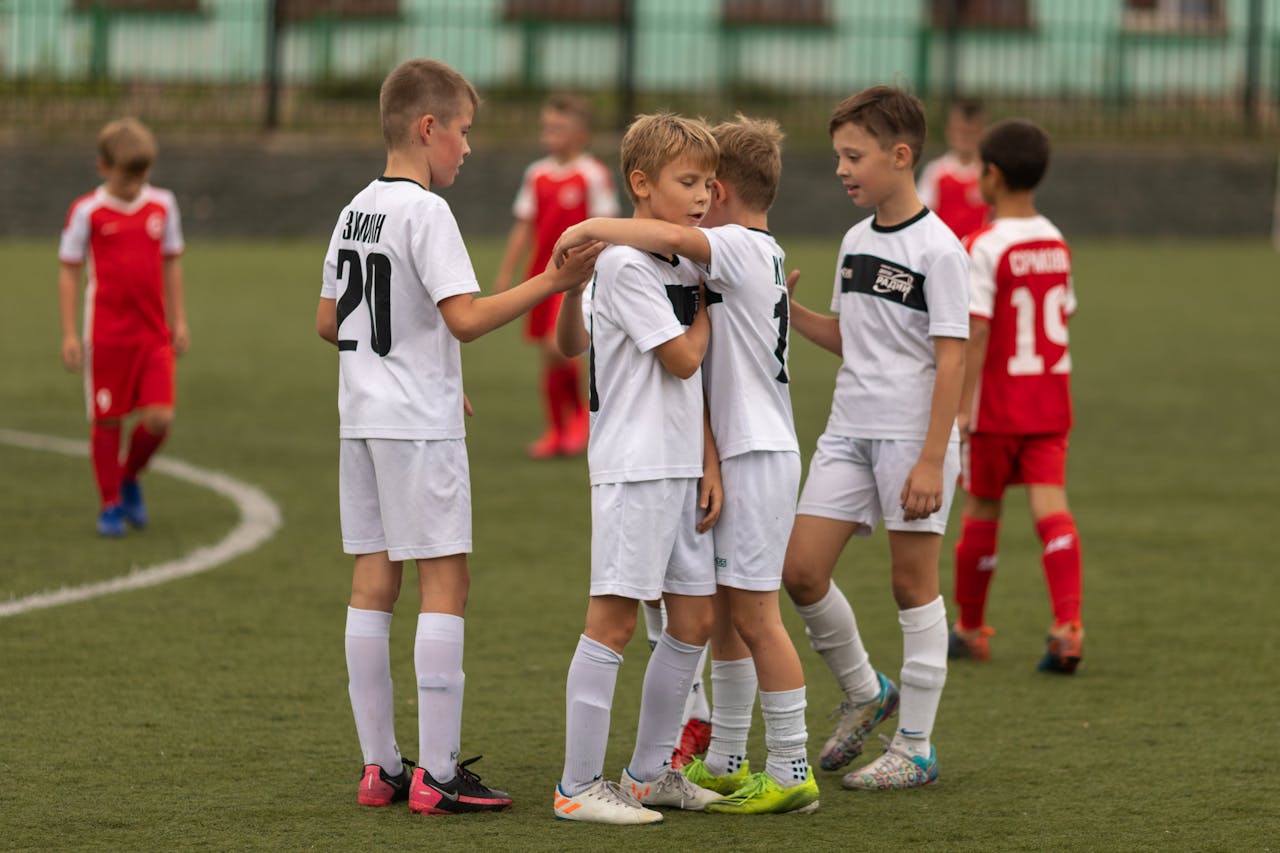
A roster full of talented athletes does not automatically make a great team. Every coach knows this. The squads that win consistently are the ones where players trust each other instinctively, where communication flows without thinking, where someone always has your back, and where the team's identity is stronger than any individual ego.
That kind of chemistry does not happen by accident. It is built through shared experiences off the field that translate into cohesion on the field.
But let's be honest: most team bonding activities feel forced. Trust falls, awkward icebreakers, and mandatory "fun" sessions can do more harm than good if athletes roll their eyes through them. Luckily, the activities in this guide are different. They are practical, tested by real coaches, and designed to create genuine connection, not just tick a team-building box.
Whether you coach a youth football academy, a competitive swimming squad, a martial arts school, or a university cricket team, these 15 sports team bonding activities are quick to set up, require minimal equipment, and work for teams of any size.
Why Team Bonding Matters More Than Talent
Sports psychology research consistently shows that team cohesion directly impacts performance outcomes. Teams with strong interpersonal bonds:
- Communicate more effectively under pressure
- Recover faster from mistakes and setbacks
- Show increased resilience during difficult games
- Exhibit higher levels of mutual accountability
- Maintain better focus during high-stakes moments
The difference between a good team and a championship team isn't just skill. It's the intangible qualities built through intentional bonding. When your athletes genuinely care about each other, they push harder because they don't want to let teammates down.

15 Team Building Activities That Actually Work
1. The Two-Minute Drill ⏱️
What it builds: Personal connection, breaking down social barriers, discovering commonalities
Duration: 15 minutes
How it works: Pair athletes randomly (use a name-drawing system or app). Each pair has exactly two minutes to find three things they have in common that are NOT related to their sport. After every pair finishes, go around the circle and have each duo share what they discovered.
Why it works:This activity forces athletes to see each other as complete people, not just positions on a roster. You will be surprised how quickly walls come down when a 16-year-old goalkeeper discovers their defensive partner also plays chess competitively or shares the same favorite band. These personal connections create the foundation for on-field trust.
2. Show & Tell 📢
What it builds: Empathy, emotional connection, team depth beyond athletics
Duration: 20-30 minutes (1-2 minutes per athlete)
Equipment needed: None
How it works: Have each athlete share something personal: a childhood memory, meaningful personal item, or interesting hobby. Give it a sports twist: ask each athlete to share their earliest memory of playing their sport, or the moment they decided they wanted to get serious about it.
Why it works: When teammates understand each other's journey and motivations, they develop deeper empathy. This emotional investment makes athletes more willing to support each other during difficulties and celebrate each other's successes. These origin stories remind everyone why they're there and create shared appreciation for the path each person has traveled.
P.S. For virtual teams or remote training periods, this works excellently over video calls.

3. Blindfold Obstacle Course 👁️
What it builds: Trust, communication skills, active listening
Duration: 20-30 minutes
How it works: Set up a simple obstacle course using cones, bags, benches, and training equipment. Blindfold one athlete and have a partner guide them through using only verbal instructions. Then swap roles so everyone experiences both guiding and being guided.
Why it works: This is one of the most effective trust exercises because it directly mirrors on-field communication; you have to listen, trust, and respond quickly without visual confirmation. Athletes learn to give clear, concise instructions under pressure and to trust their teammates completely. The physical vulnerability of being blindfolded creates genuine emotional impact.
Debrief questions:
- How did it feel to be completely dependent on your partner?
- What communication strategies worked best?
- How is this similar to trusting teammates during a game?
4. Role Swap Practice 🔄
What it builds: Empathy, position appreciation, tactical understanding
Duration: 30-45 minutes during practice
How it works: Have athletes switch positions during a practice session. Defenders play attack. Goalkeepers play midfield. Swimmers try a different stroke. Point guards play center. The results are usually hilarious, but the real value runs deeper.
Why it works: Athletes gain genuine appreciation for what their teammates deal with in different roles. A striker who tries playing goalkeeper suddenly understands the pressure of being the last line of defense. A midfielder who attempts defending realizes how difficult it is to track runners. This empathy translates directly into better on-field communication and support.
Pro tip: Film the session and create a highlight reel. The laughter continues long after practice ends!
5. Scavenger Hunt 🗺️
What it builds: Problem-solving, collaboration, team knowledge
Duration: 30-60 minutes depending on complexity
How it works: Turn the field, court, or dressing room into a thrilling quest with an exciting treasure hunt. Hide clues strategically around the area, leading teams through a series of challenges and puzzles as they try to figure out where each clue leads next. This is also a fun way for new recruits to explore and learn more about the space.
Modernize the classic scavenger hunt using a free app like Goosechase or Actionbound to create a digital version. Teams can submit photo/video evidence through their phones. Incorporate team challenges at various points to test problem-solving abilities and hone critical skills and include team-knowledge clues like "Find the teammate who has scored the most goals this season" or "Take a selfie with the coach's favorite coffee order" or "Recreate our team's celebration dance."
Why it works: This activity simulates game situations where teams must quickly interpret information, make decisions under time pressure, and coordinate action. The team-specific questions reinforce shared history and inside knowledge that strengthens team identity.
Pro tip: Hide the final clue at a location meaningful to your team (where you won a championship, where the program was founded, or the team's favorite post-game meal spot).
6. Hot Seat Q&A 🔥
What it builds: Personal knowledge, humor, comfortable vulnerability
Duration: 5-10 minutes
How it works: One athlete sits in the "hot seat" and the team asks them rapid-fire questions - favorite pre-game meal, most embarrassing sports moment, one rule they would change in their sport, dream athlete to train with, what superpower would help their game most. Keep it light and fun.
Why it works: This activity works especially well for teams with new members joining mid-season. It creates a comfortable structure for athletes to share about themselves without feeling like they're forcing conversation. The rapid-fire format keeps energy high and prevents awkwardness.
Pro tip: Rotate one athlete per practice or team meeting so everyone gets featured over time.

7. Team Cooking Challenge 👨🍳
What it builds: Collaboration under time pressure, role delegation, creative problem-solving
Duration: 60-90 minutes
How it works: Split the team into groups of 3-4 and give each group the same set of ingredients. They have 30 minutes to create the best dish. Judges (coaches, support staff, parents) score on taste, presentation, and teamwork observed during preparation.
Why it works: Elite teams from Manchester City to the Golden State Warriors use cooking challenges as bonding tools. The combination of time pressure, necessary role delegation (who chops, who cooks, who plates), and a shared reward creates genuine camaraderie. Athletes learn to leverage each other's strengths in a completely different context than sports.
Budget alternative: Do a "team sandwich-making assembly line" competition with simpler logistics.
8. Movie Night 📽️
What it builds: Shared cultural references, relaxation, team culture
Duration: 2-3 hours
How it works: Find an empty wall, set up a projector and a white screen, and you’re good to go. Set up a poll to choose the movie you watch. Consider selecting a film based on the team sport you play - Goal!, Bend it like Beckham, Space Jam, Moneyball - the list is endless. Arrange for a snack and drinks bar, and throw in some rugs and pillows to make it super-comfy.
The twist: Before the movie, have each athlete draw a name from a bowl. That's who they must sit next to. This encourages interaction between athletes who might not normally spend time together and is a great way to form new friendships within the team.
Why it works: Shared experiences create common references and inside jokes that strengthen team identity. Sports movies specifically inspire discussions about teamwork, perseverance, and overcoming challenges, themes directly relevant to your season. The relaxed, low-pressure environment allows athletes to interact naturally.

9. Awards Night 🏆
What it builds: Recognition, appreciation, team celebration
Duration: 60-90 minutes
How it works: Host an end-of-season or mid-season awards ceremony. Include categories that reward character, not just performance: "Most Improved", "Best Pre-Game Playlist DJ", "Most Likely to Give a Pep Talk That Actually Works", "Best Recovery from a Mistake", "Teammate Who Always Has Your Back".
Let the team vote on winners. The voting process itself is a bonding exercise.
Why it works: Recognition beyond athletic performance shows athletes you see and value their complete contribution to team culture. When peers nominate and vote for each other, it reinforces which behaviors the team truly values. Tangible awards (even silly ones) create lasting memories.
10. Escape Room Challenge 🔐
What it builds: Communication under pressure, strategic thinking, role emergence
Duration: 60-90 minutes
How it works: Book a local escape room or use a portable escape room kit in your training facility. Split larger teams into groups of 6-8. The time-pressure environment forces athletes to communicate, delegate tasks, and think strategically, the same skills they need during a close match.
Why it works: Escape rooms reveal natural leadership and communication patterns. After the experience, debrief: Who took charge? Who listened well? Who connected the dots? What would you do differently? These insights transfer directly to understanding team dynamics during competition.
Budget alternative: Create your own simple escape room scenario using locks, puzzles, and riddles in a locker room or training space.
11. Lunch & Learn 🍲
What it builds: Knowledge sharing, mentorship, team depth
Duration: 30-60 minutes during a meal
How it works: Organize regular lunch sessions where team members gather to discuss topics relevant to your sport. Rotate who leads presentations on tactics, nutrition, mental preparation, game analysis, or life skills like time management for student-athletes. Some sessions can be purely social, like a potluck where everyone brings their favorite food and shares stories.
The twist: Rotate who picks the restaurant or cuisine each month. Use random table assignments (draw names from a bowl) to ensure seniors, juniors, and newer athletes mix together.
Why it works: Structured learning sessions establish a culture of continuous improvement while the informal meal setting keeps it approachable. When teammates teach each other, it builds respect and establishes shared knowledge that elevates the entire team.

12. Community Service Day 🤝
What it builds: Shared purpose, perspective, humility, community connection
Duration: Half day
How it works: Organize a half-day volunteering session - coaching younger kids at a local school, helping at a food bank, running a free sports clinic in the community, or supporting a charity event. Make it hands-on, not just a photo opportunity.
Why it works: Shared purpose outside of competition creates bonds that go deeper than any on-field drill. When athletes work together to serve others, they gain perspective on their own privileges and opportunities. It also builds your sports academy's reputation in the community.
13. Team Journal or Wall 📸
What it builds: Shared history, team identity, ongoing connection
Duration: Ongoing throughout season
How it works: Set up a physical or digital "team wall" where athletes can post photos, quotes, shout-outs, and memorable moments from training and matches. Apps like Padlet or even a shared group album on the cloud work well. Review it together at the end of each month or season.
Why it works: This creates a tangible record of the team's journey and reminds everyone they are part of something bigger than individual performances. Over time, the accumulated memories become the team's story. New members can see the culture they're joining, and veterans can reflect on their growth.
Pro tip: Assign a different athlete each week as the "team documentarian" responsible for capturing and posting moments.
14. Strategy Board Game Night 🎲
What it builds: Strategic thinking, reading teammates, communication skills
Duration: 60-90 minutes
How it works: Games like Codenames, Risk, Settlers of Catan, or even card games like Uno require communication, strategy, and reading your opponents, all transferable skills. Set up a tournament bracket across the season with rotating teams.
Why it works: The competitive atmosphere is familiar to athletes but the context is different enough to bring out different personality traits. You'll discover athletes who are brilliant strategists away from their sport, or who communicate differently when the stakes are just bragging rights. These insights help teammates understand how to work together better.
Pro tip: Keep ongoing season standings on your Team Wall (#13) to maintain friendly competition.

15. End-of-Season Olympics 🥇
What it builds: Cross-team relationships, celebration, fun memories
Duration: 2-3 hours
How it works: Create a multi-event mini-Olympics with fun, non-sport challenges: three-legged race, egg-and-spoon relay, trivia quiz about teammates, penalty shootout with the weaker foot, dizzy bat race, and a freestyle talent show. Mix teams across age groups and positions. Award silly trophies.
Why it works: The sillier the challenges, the better the bonding. When your star striker fails at the egg-and-spoon race while your shy defender dominates, it levels the playing field and reminds everyone that athletic talent is just one dimension of a person. These shared moments of laughter create lasting memories that define team culture.
Pro tip: Capture lots of photos and videos for your Team Wall; these become the moments athletes remember years later.
How to Make Team Bonding Games Actually Work
The difference between an activity that genuinely bonds a team and one that athletes dread comes down to a few key principles:
- Frequency over intensity: A 15-minute activity every week beats a single all-day retreat per season. Consistency builds trust through repeated positive interactions.
- Let athletes choose: Give the team a shortlist of 3-4 options and let them vote on what to do next. Ownership increases buy-in dramatically.
- Mix it up: Alternate between high-energy (escape rooms, obstacle courses) and low-key (movie nights, team meals) activities. Different athletes connect through different experiences.
- Include everyone: Choose activities that don't disadvantage anyone based on ability, age, or personality. Introverts should feel just as welcome and valued as extroverts.
- Debrief when appropriate: After more structured activities, spend 5-10 minutes discussing what went well and what the team noticed about themselves. This is where the real learning happens.
- Be genuine. Athletes can smell forced enthusiasm from miles away. If you're not genuinely invested in building team culture, they won't be either.
When to Use Team Building Games and Activities
- Preseason: Establish team culture, help new members integrate, set communication norms (Try: Two-Minute Drill, Hot Seat, Show & Tell)
- Early season: Build foundational trust and identify team dynamics (Try: Blindfold Obstacle Course, Role Swap, Scavenger Hunt)
- Mid-season: Re-energize the team, address emerging conflicts, refocus on shared goals (Try: Escape Room, Community Service, Cooking Challenge)
- Post-loss: Process disappointment together, rebuild confidence, strengthen resolve (Try: Team Journal review, Movie Night, Board Game Night)
- Before playoffs: Reinforce trust and unity before high-pressure situations (Try: Awards Night mini-version, Lunch & Learn on mental preparation)
- End of season: Celebrate the journey and create lasting memories (Try: End-of-Season Olympics, Awards Night, Team Wall review)

The strength of the team is each individual member. The strength of each member is the team.” – Phil Jackson
Team building isn’t just about building better athletes, it’s about nurturing a culture of respect, collaboration, and resilience. If you're running a sports academy or coaching program, the operational burden of scheduling, attendance tracking, payments, and parent communication can consume the time you'd rather spend building team culture.
Classcard is a class management software designed specifically for sports academies, swim schools, martial arts programs, dance studios, and athletic organizations. Our platform helps you:
- Automate scheduling and registration so you're not managing spreadsheets
- Track attendance effortlessly and identify athletes who need extra engagement
- Handle payments and billing without chasing parents for fees
- Communicate with athletes and parents seamlessly through automated messaging
- Focus on what matters most: coaching great athletes and building championship teams
When the administrative tasks run themselves, you have more energy and headspace to invest in the activities that actually build team chemistry.
→ Try Classcard free for 7 days or schedule a free demo to see how it works for your program.
Frequently Asked Questions
What are the best team bonding activities for sports teams?
The most effective activities mix trust-building (Blindfold Obstacle Course), personal connection (Two-Minute Drill, Show & Tell), and shared challenge (Escape Room, Scavenger Hunt). The best choice depends on where your team is in the season - preseason favors icebreakers, mid-season favors re-energizing challenges.
How long should a team bonding activity take?
It varies by type: quick connection activities like Hot Seat Q&A take 5-10 minutes, while deeper experiences like an Escape Room Challenge or Team Cooking Challenge run 60-90 minutes. Frequency matters more than length. A 15-minute weekly activity builds more trust than one all-day retreat per season.
Do team bonding activities actually improve performance?
Yes. Sports psychology research links team cohesion to better communication under pressure, faster recovery from mistakes, and higher mutual accountability, all of which show up directly in competitive performance, not just team atmosphere.