

Football academies sit in one of the most rewarding and operationally demanding parts of the youth sports industry. You are building a player development program that families will trust with their child's athletic development, potentially for years. Getting that right requires more than good coaching. It requires a structured business model, the right legal and licensing foundation, a clear pricing and enrollment system, and a marketing approach that fills your roster with the right families.
This guide walks through every stage of building a football academy from the ground up, including the business plan framework you will need if you are seeking financing or facility partnerships.
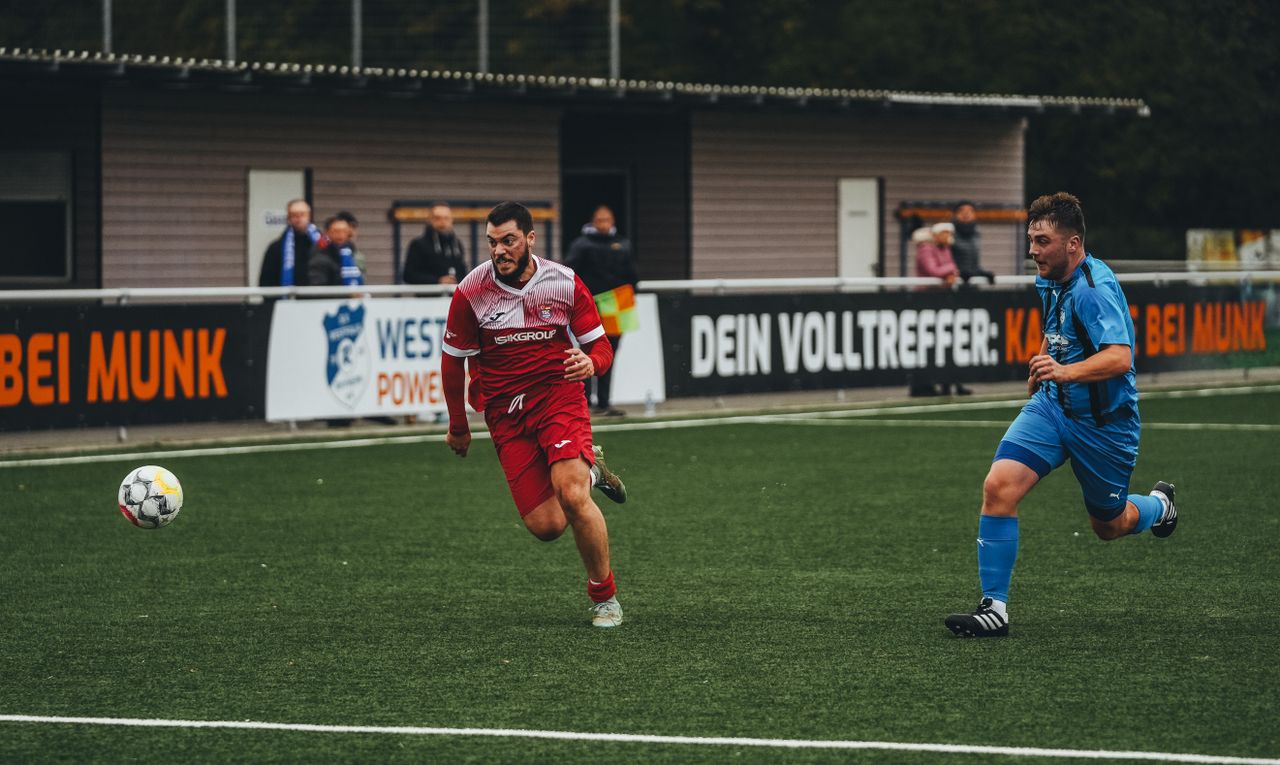
What Kind of Football Academy Will You Run?
Before any other decision, you need to define your academy's model. Football academies operate across a wide spectrum, and the operational requirements, pricing, staffing, and marketing approach differ significantly depending on where you sit on it.
1. Recreational development programs
Recreational academies focus on skill development and enjoyment for players of all ability levels, typically ages four to twelve. Classes run weekly in a class-based format, with players grouped by age rather than ability, and the emphasis is on technical development and positive experience rather than competition outcomes. This model has the broadest potential enrollment pool and the lowest barrier to entry for families.
2. Competitive development academies
Competitive academies identify and develop talent with the goal of producing players capable of competing at club, regional, or national levels. Programs include structured training multiple times per week, regular competitive fixtures, and a formal tryout or selection process. Enrollment is by invitation only or through a competitive trial, which limits your total enrolled players but justifies higher fees. The operational complexity, coaching staff requirements, and family expectations are significantly higher in this model.
3. Private coaching and skills programs
Private football coaching academies offer one-on-one or small-group technical training sessions alongside or instead of team-based programs. Players and families seeking accelerated development on specific skills, such as goalkeeping, set-piece taking, or positional play, pay a premium rate for focused individual attention. This model has lower facility requirements and can be started by a single qualified coach with minimal overhead.
4. Holiday camps and intensive programs
Football holiday camps run during school breaks and serve a broad audience of players who want intensive football development without a year-round commitment. Camps generate significant short-term revenue and serve as a pipeline for year-round program enrollment. Many academies run camps as a supplement to their core program rather than a standalone business.
Most successful academies combine elements of several models. A typical structure is a core recreational or development program as the primary revenue stream, private coaching as a premium add-on, and holiday camps as seasonal revenue peaks and enrollment drivers.
Step 1: Define Your Age Groups and Program Structure
Football academies structure their programs around age groups, and the groupings you choose determine your staffing ratios, facility requirements, curriculum design, and maximum enrollment capacity.
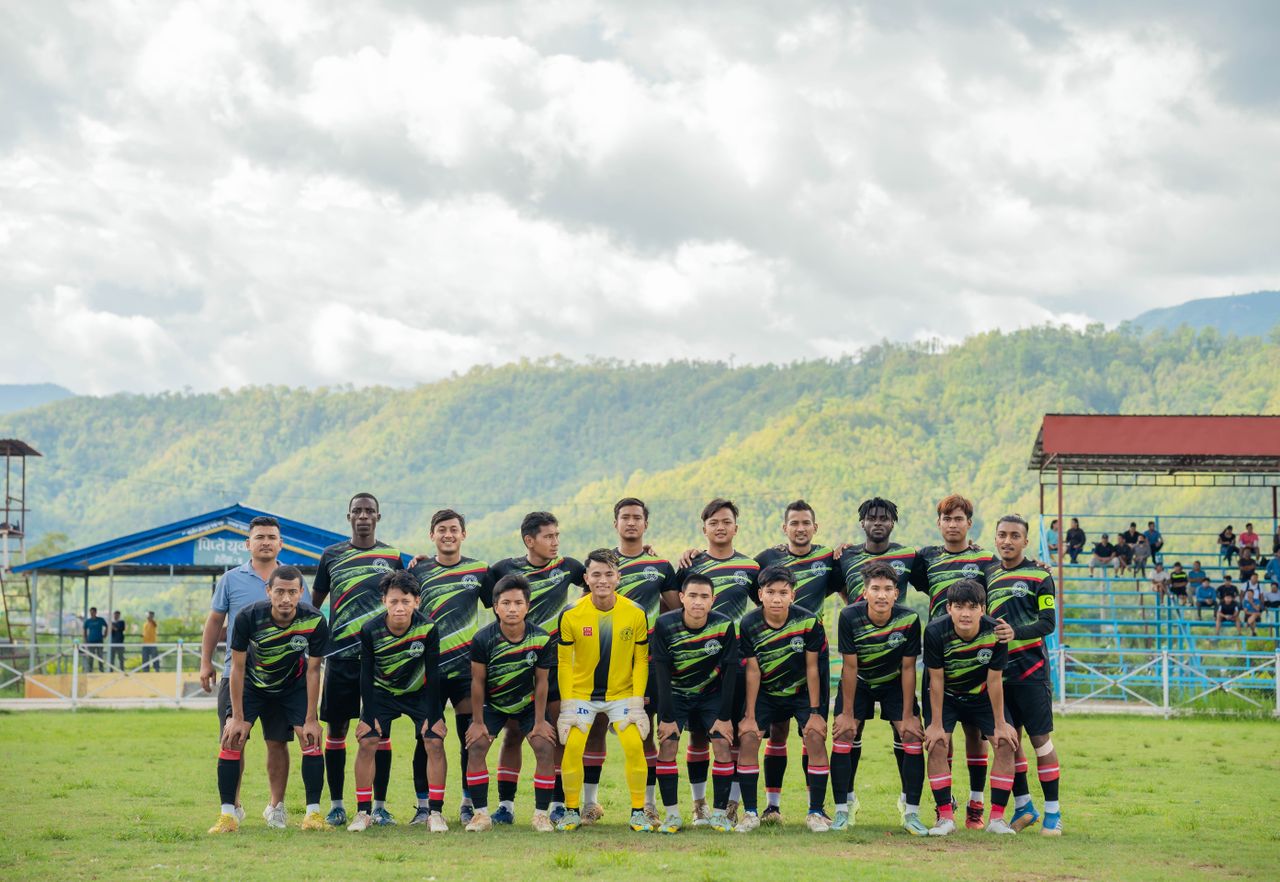
Standard age group structure
The most common structure in youth football development follows this grouping:
Mini soccer ages four to six focuses on coordination, movement patterns, and first contact with a ball in a free-play environment. Sessions are short, typically 45 to 60 minutes, with a high fun-to-structure ratio. Players at this age are learning what football is, not developing technical skill in any systematic way.
Foundation stage ages seven to ten is where basic technical skills are introduced: dribbling, passing, receiving, and shooting. Small-sided games, four-versus-four or five-versus-five, allow every player significant touches on the ball per session and develop decision-making in a simple environment. This age group has the highest enrollment potential of any age range.
Youth development ages eleven to fourteen is where tactical concepts begin alongside continued technical refinement. Players start understanding positional responsibilities, team shape, and the relationship between individual skill and collective play. Training sessions typically run 75 to 90 minutes, two to three times per week for competitive programs.
Advanced youth ages fifteen to eighteen is where players are either on a competitive pathway with clear development goals or in recreational programs for enjoyment and fitness. Competitive programs at this level often link to local league structures and representative programs.
Decide how many age groups to launch
Starting with too many age groups simultaneously creates staffing, scheduling, and marketing complexity that most new academies cannot sustain. A practical starting point is two or three age groups covering the highest-demand range in your market. Foundation stage and mini soccer are almost always the strongest early choices because the enrollment pool is large, the facility requirements are minimal, and the coaching can be delivered by a single qualified coach per session.
Step 2: Choose Your Facility and Pitch Setup
Your facility is your largest fixed cost and one of your most significant marketing assets. Players and parents make judgments about your academy within the first few minutes of arriving at your venue.
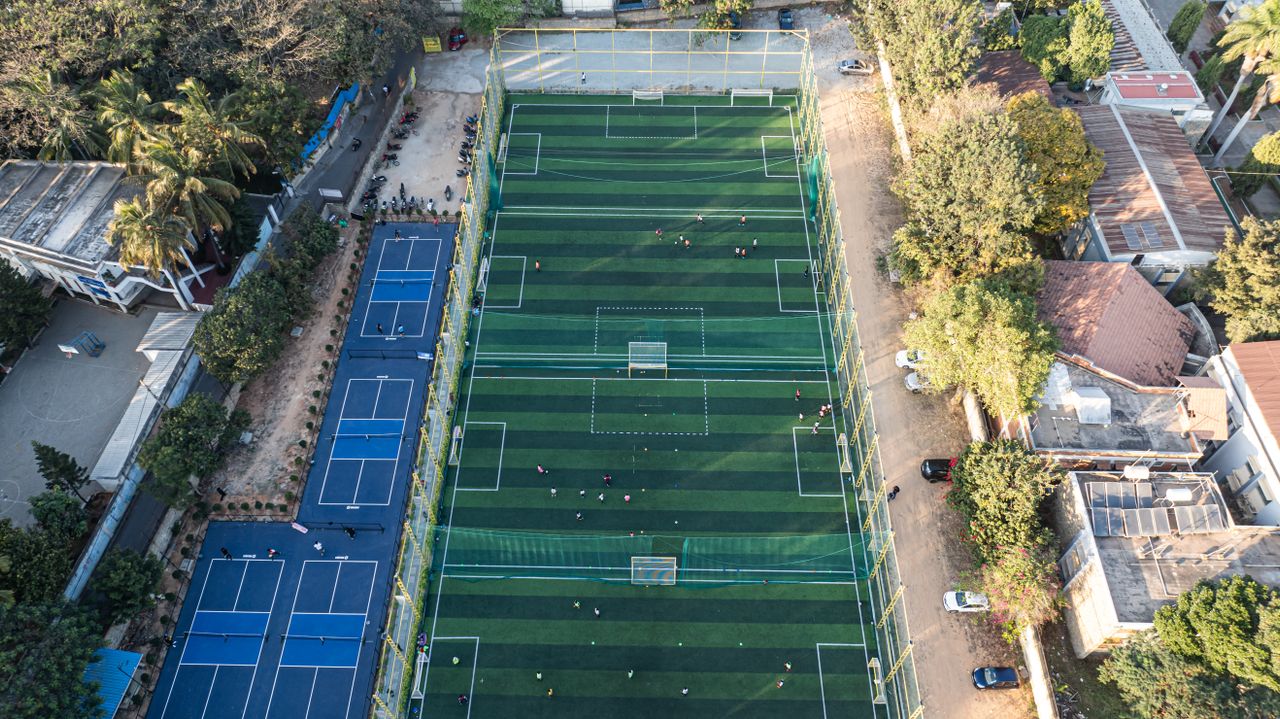
Owned versus rented facility
Very few new academies own their own pitch or sports complex. The more common and cost-efficient model is renting pitch time from schools, community centers, municipal parks departments, or existing sports clubs. This approach dramatically reduces your startup capital requirement and allows you to scale pitch hours as enrollment grows rather than committing to fixed overhead before you have the revenue to support it.
When renting pitch time, negotiate for a consistent weekly time slot rather than ad hoc bookings. Families commit to programs with predictable schedules. An academy that holds sessions on variable days and times will struggle with retention and parent scheduling.
Pitch size and surface requirements
Mini soccer programs for four-to-six-year-olds can run on a small patch of grass or an indoor sports hall. Foundation and youth development programs benefit from proper small-sided pitches or a full-size pitch divided into training zones. Artificial 3G or 4G turf pitches are preferable to natural grass for training programs because they are playable year-round regardless of weather.
Indoor facilities are a significant advantage in markets with harsh winters. If your market has severe weather between November and March, access to an indoor facility for at least part of the year is essential to maintaining enrollment continuity.
Equipment costs
Basic equipment for a youth football academy includes training balls (budget $15 to $25 per ball, you need one ball per player minimum), training bibs in two colors, cones and disc markers, portable goals for small-sided training, and coaching flags or poles for marking training grids. Initial equipment for a 30-player program typically runs $800 to $2,000 depending on quality and quantity. Add a ball bag, medical kit, and coaching board, and total startup equipment is $1,200 to $2,500.
Step 3: Handle Business Registration and Legal Requirements

Register your business
Form an LLC or equivalent business structure before your first enrollment. An LLC provides personal liability protection and is the appropriate structure for a business handling children's programming. You will need a registered business name, an EIN for tax purposes, and a dedicated business bank account kept separate from personal finances.
Coaching licenses
Coaching licenses are the most important credential requirement for running a credible football academy. Requirements vary by country, but the structure is similar across most football associations.
In the United Kingdom, FA coaching licenses run from the FA Level 1 (introductory, required to coach independently) through Level 2 and UEFA B and A licenses for senior development roles. Running a youth academy in an FA-affiliated structure requires coaches to hold at minimum an FA Level 1 qualification.
In the United States, US Soccer coaching licenses range from the Grassroots D license (minimum required for independent youth coaching) through C, B, A, and Pro licenses. The D license is a two-day course and the minimum acceptable credential for anyone leading sessions at a football academy. For competitive development programs, B license coaches are the standard.
In other national federations, equivalent licensing structures exist. Regardless of where you operate, confirm the minimum licensing requirement for independent youth coaching in your jurisdiction before launching, and ensure every coach delivering sessions holds the appropriate credential.
Background screening
Every coach and staff member who works with children must pass a background check before any contact with players. In the UK, this is a DBS (Disclosure and Barring Service) check. In the US, platforms like NCSI, Sterling Volunteers, or US Soccer's safeguarding program provide criminal background screening. Make background screening a non-negotiable condition of employment or volunteering at your academy, and keep records of each clearance with renewal dates.
Insurance
A football academy requires at a minimum public liability insurance covering injury or property damage during sessions, and personal accident insurance for players. In the UK, many local football leagues require proof of public liability coverage as a condition of affiliated play. In the US, US Youth Soccer and US Club Soccer both provide insurance coverage to affiliated clubs, which can be a cost-effective way to access coverage while gaining the benefits of federation affiliation.
Contact your national football association or local league for the minimum coverage requirements and recommended providers in your market.
Safeguarding policies
Any organization working with children must have a written safeguarding policy, a designated safeguarding lead, and documented procedures for handling concerns. This is a legal requirement in many jurisdictions and a basic professional standard in all of them. Familiarize yourself with the safeguarding requirements published by your national football association before opening enrollment.
Step 4: Build Your Coaching Team
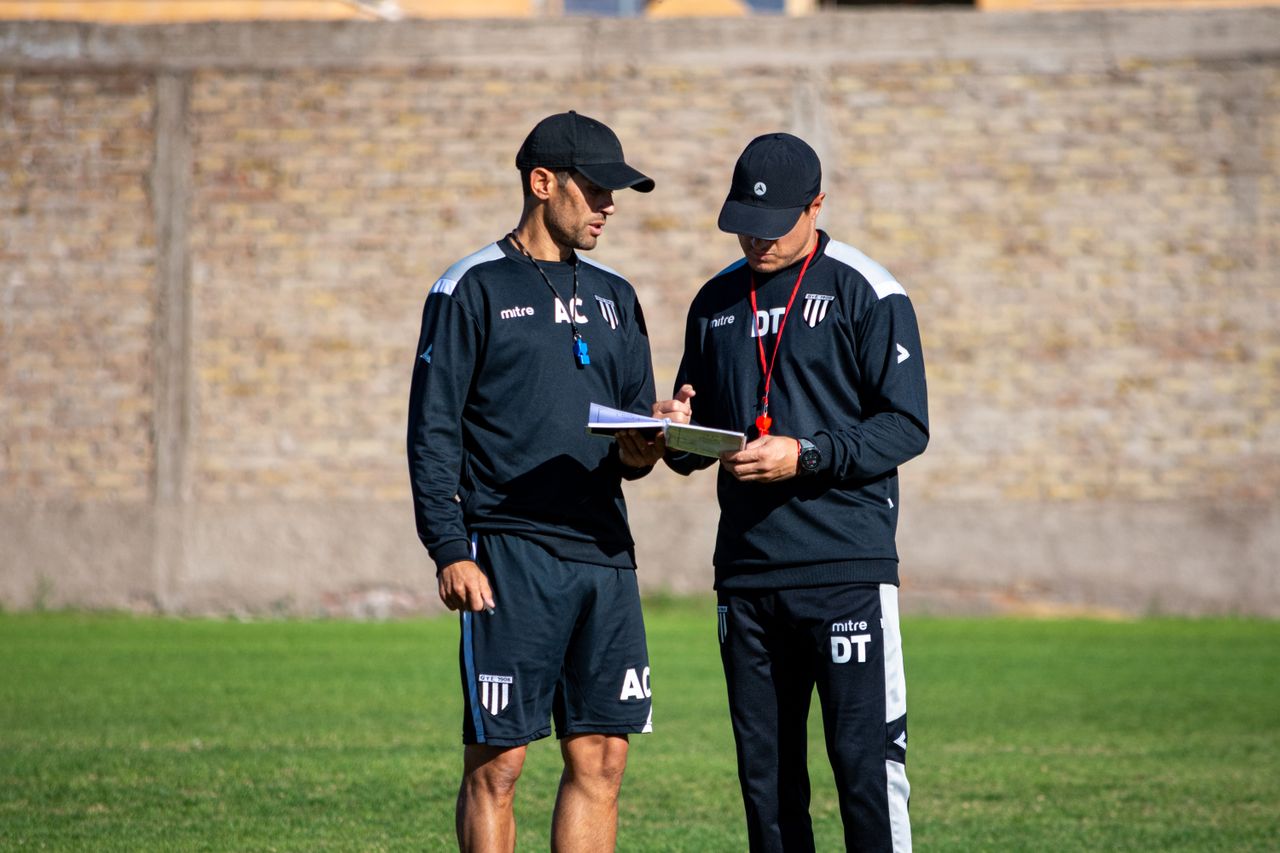
Defining what you need
A single qualified coach can run a program of 20 to 30 players in one or two age groups. As your enrollment grows, you will need additional coaches to maintain appropriate player-to-coach ratios. The recommended ratios for youth football development are approximately 8 to 10 players per coach for under-sixes, 10 to 12 players per coach for under-tens, and 12 to 15 players per coach for older age groups in non-competitive programs.
Contractor vs. employed coaches
Most small academies start with contracted coaches paid per session rather than salaried employees. A contracted arrangement works well when coaches are working with you part-time alongside other work, and when your session volume does not yet justify salary overhead. Contracted coaches typically earn $20 to $50 per session hour depending on their license level, your market, and the age group they are coaching.
As your academy grows and you need coaches available exclusively during your scheduled session windows, transitioning to part-time or full-time employment with defined hours becomes more practical. Consult with an accountant or employment attorney before classifying coaches, as contractor misclassification carries penalties.
Developing your coaching culture
A football academy's reputation is built on the quality of its coaching environment. Technical skill development matters, but the way coaches interact with players, particularly in mini soccer and foundation stage programs, determines whether young players love the sport or burn out. Invest in a common coaching philosophy across your staff: player-centered feedback, positive reinforcement, and age-appropriate expectations are not just good pedagogy. They are retention tools.
Step 5: Design Your Curriculum and Training Program

Adopt a development philosophy
The Long Term Athlete Development (LTAD) model, developed by sports scientists and adopted by most national football associations, provides a framework for age-appropriate football development from first contact through senior play. The core principle is that different ages require different emphases: physical literacy and fun in early years, technical skill development in the middle years, and tactical and competitive development in the later years. Aligning your curriculum to a recognized framework gives your program credibility with parents and coaches and provides a structure for progression within your academy.
Plan your session structure
Each training session at any age level should have a defined learning objective. Sessions that are simply conditioned games without a coaching theme do not deliver measurable development, and parents notice when their child does not seem to be learning anything new. A standard session structure includes a movement warm-up, a technical skill block focused on the session theme, a small-sided game applying the skill in a realistic context, and a cool-down reflection. This structure works across all age groups with adjustments for age and duration.
Document player progress
Player progress documentation is rare in grassroots academies and a significant differentiator for those that do it well. A simple progress framework that tracks each player's development on defined technical competencies, dribbling, passing, receiving, shooting, defending, at regular intervals gives families concrete evidence that development is happening. It also gives coaches a tool for structuring feedback conversations with parents. Classcard's student progress tracking features support this documentation within the same platform you use for billing and enrollment.
Step 6: Set Your Pricing

Recreational program pricing
Weekly recreational programs for mini soccer and foundation age groups typically run at monthly tuition rates of $80 to $180 per player per month in North American markets, depending on session frequency, facility quality, and local pricing norms. UK and European markets price differently, often per term rather than per month.
Selling monthly tuition rather than per-session passes is significantly better for your cash flow and simplifies billing. Monthly enrollment creates a predictable revenue base and defaults to continuing rather than requiring families to re-purchase each month.
Competitive program pricing
Competitive development academies typically charge $200 to $500 per player per month, reflecting the higher session frequency, coaching staff qualifications, and tournament participation costs. Registration and uniform fees are usually charged separately, typically $100 to $300 at enrollment. Tournament entry fees may be passed through to families or bundled into a seasonal fee depending on your structure.
Private coaching pricing
Individual private coaching sessions run $60 to $120 per hour depending on the coach's credentials and your market. Small-group private sessions, two to four players, typically run $30 to $60 per player per hour. Selling blocks of sessions, for example a six-session package at a slight discount from the per-session rate, improves retention and creates predictable revenue.
Holiday camp pricing
Day camps typically run $200 to $400 per player per week, with half-day programs at $100 to $200. Multi-day camps with a lunch program run higher. Camps are priced to cover staffing, facility, equipment, and a reasonable margin, with the additional benefit of generating enrollment inquiries for your core program.
Step 7: Set Up Your Enrollment and Management Systems

Why spreadsheets fail as you grow
A football academy with 30 players in one age group is manageable with a shared spreadsheet and text messages. At 80 players across four age groups with three coaches and a holiday camp running simultaneously, the manual approach collapses. Billing errors accumulate, scheduling conflicts create session gaps, and coaches spend time on administration rather than coaching.
What a management system needs to do
For a football academy specifically, your management software needs to handle online enrollment with payment collection before the first session, automated monthly billing with failed payment retries, class and session scheduling by age group, attendance tracking per player and per session, family communication for session reminders and schedule changes, and a student profile where you can store progress notes and documents.
Classcard handles all of these at a flat $99/month regardless of how many players are enrolled. That matters specifically for football academies because enrollment fluctuates between summer camps, fall and spring term programs, and competition season, and a per-player cost model penalizes you for growth at exactly the moments when your revenue is highest.
Step 8: Market Your Football Academy
Presence at local schools and youth leagues
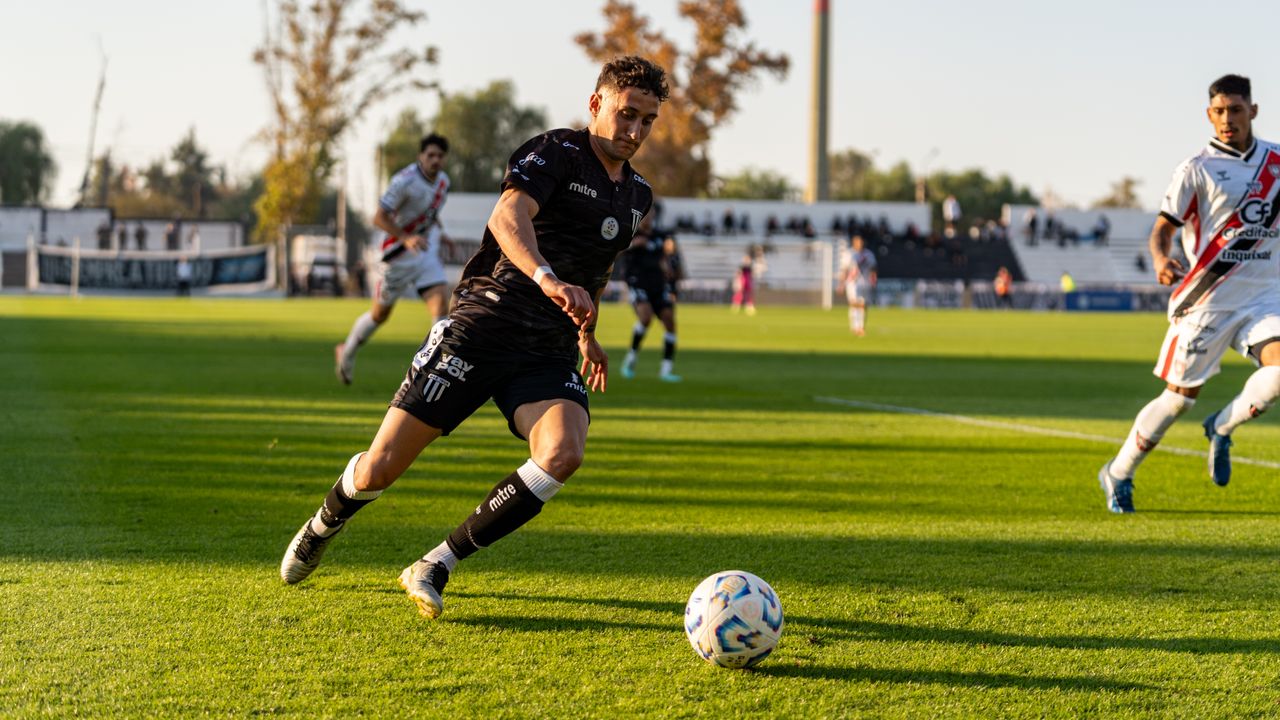
The highest-concentration channel for reaching football families is where their children already play: school sports days, local league matches, and community events. Approach schools about demonstrating skills at a sports day, sponsor a kit for a local mini-league team, or set up a skills challenge at a community event. These activities cost primarily time and generate warm inquiries from families already interested in football development.
Free trial sessions and open days
A free trial session is the most effective enrollment conversion tool a football academy has. A child who comes to a session, has fun, learns something new, and leaves wanting to come back is far easier to convert than a family evaluating your website copy. Run open day trial sessions at the start of each new enrollment period, promote them through every channel you have, and have a clean enrollment flow ready at the event so families can sign up before they leave.
Build your social media presence around player development
Video of young players learning new skills, celebrating their first successful dribble through cones, or mastering a technique they have been working on for weeks generates strong organic engagement from football families. Parents share their children's highlights. Prospective families evaluate your coaching quality through what they see. Post session footage consistently with parent consent, show the progression arc of players over time where families agree to share it, and demonstrate your coaching philosophy through the way coaches interact with players on camera.
Partnerships with local clubs and leagues
Affiliating with a local football league or regional association gives your academy visibility within the established football community in your area and provides competitive fixtures for your development players. Many national federations also maintain academy directories or referral networks. Being listed as an affiliated academy in the federation's database puts your program in front of families searching for structured development options.
Step 9: Your Football Academy Business Plan
A business plan is required if you are seeking a bank loan, facility partnership, or grant funding. It is also a useful planning tool even if you are self-funding, because it forces you to work through costs and projections before you commit money.

Startup cost summary
Facility deposit and first month rent: $500 to $3,000 depending on pitch rates in your market. Coaching licenses if not already held: $200 to $600 per coach depending on level. Equipment: $1,200 to $2,500 for a 30-player starting cohort. Business formation and insurance: $600 to $1,500. Management software for the first year: $1,188 (Classcard at $99/month). Website and initial marketing: $500 to $2,000. Initial enrollment period marketing: $300 to $800.
Total startup costs for a lean launch with rented facilities and contracted coaches: $4,500 to $11,500.
Revenue projections
A football academy with 60 enrolled players in recreational programs at $120/month average tuition generates $7,200/month in recurring revenue. Adding a competitive program of 20 players at $300/month adds $6,000/month. A summer camp of 40 players for one week at $260 per player adds $10,400 in a single revenue event.
Monthly fixed costs for a three-coach academy with rented pitch time typically run $3,500 to $5,500 depending on session frequency and local market rates. Break-even at $4,500 in monthly fixed costs with $120 average tuition per player requires 38 enrolled recreational players. Every player above that number generates operating margin.
12-month growth milestones
- Month one to three: complete legal setup, confirm facility agreement, hire and credential coaching staff, launch first enrollment period targeting 20 to 30 players in two age groups.
- Month four to six: run first enrollment cycle, gather player and parent feedback, refine session curriculum, build referral base through existing families, reach 40 to 50 enrolled players.
- Month seven to nine: run first holiday camp, begin marketing for fall term, add third age group if demand supports it, evaluate whether competitive program makes sense given player quality and parent interest.
- Month ten to twelve: close first full year, review retention rate, identify highest-performing enrollment channels, plan second-year expansion based on actual data rather than projections.
Frequently Asked Questions
How much does it cost to start a football academy?
A lean launch with rented facilities and contracted coaches typically costs $5,000 to $12,000 in startup capital. This covers business formation, insurance, coaching licenses, equipment, and the first two to three months of facility costs before enrollment revenue covers ongoing expenses. Academies that invest in dedicated facilities, branded kit, and significant marketing spend upfront can spend $25,000 to $50,000 or more before their first enrollment cycle.
What coaching qualifications do you need to run a football academy?
At minimum, every coach independently delivering sessions to children should hold the entry-level coaching license from their national football association. In the US, this is the USSF Grassroots D license. In the UK, it is the FA Level 1 award. For competitive development programs, a higher license (B license or equivalent) is the standard for lead coaches. Licenses should be verified and kept current, as they typically require renewal and continuing professional development.
How do you set academy fees that families will pay?
Price your fees based on the value you are delivering relative to local alternatives. Research what other academies, clubs, and school programs in your area charge, and position your fees accordingly. A recreational program that offers more sessions per week, better coaching credentials, or a more structured curriculum than the local competition can charge a premium. Competitive development programs command higher fees because the coaching intensity and commitment level are higher. A useful test is whether the families you want to attract view your fee as reasonable relative to what they spend on other activities. If your fees are significantly higher than every alternative, you need a clear differentiator to justify it.
How many players do you need to make a football academy profitable?
The break-even point depends on your cost structure. A simple two-coach academy renting pitch time and paying coaches per session can reach profitability with 35 to 50 enrolled players at a typical recreational fee rate. An academy with more fixed costs, dedicated facilities or salaried staff, needs 80 to 120 enrolled players to cover overhead. Calculate your specific break-even by dividing total monthly fixed costs by your average revenue per player per month, then set a target to reach that number within your first two terms.
Should a football academy register with a national federation?
Registration with a national football federation or its local affiliate brings several advantages: access to liability insurance through the federation, listings in official affiliate directories, the ability to participate in federated leagues and competitions, and credibility with families who recognize the affiliation. For competitive programs, federation affiliation is effectively required to participate in structured competition. For recreational programs, it is strongly advisable but optional. The registration costs are modest and the benefits outweigh them for almost all academies.
How do you retain players year after year?
Retention in a football academy is driven by three things: visible and acknowledged improvement, a community that players want to be part of, and consistent positive relationships with coaches. Players who feel they are getting better stay. Players who feel their coach knows and cares about their development stay. Players who have friends in their training group stay. Build structures that support all three: regular feedback on individual progress, group activities that build team cohesion, and coach-player relationships that go beyond the technical content of sessions. Retention is your most cost-effective marketing because a retained player costs nothing to acquire next term and brings their social network with them.