

Quick answer: Planning a music school recital involves six stages: setting the date and venue, building the programme, managing communications and rehearsals, final confirmations, running the event smoothly on the day, and following up with families. Each stage has specific tasks that, handled in order, prevent the last-minute scramble most music school owners know too well.
A well-run recital is one of the most powerful things a music school does. Students who have practised alone for months discover that their work means something when they perform it for an audience. Parents who have driven to lessons for a term and heard fragments of progress through a closed door see their child shine in public for the first time. The community around your school deepens. And enquiries from new families reliably spike in the weeks after a successful performance event.
A poorly run recital has the opposite effect. A student who forgets their piece with no support from a teacher who rushed them onto stage carries that experience for a long time. A parent who arrived at the wrong time, sat in an overheated room for two hours, and found the programme confusing does not re-enrol next term.
The difference between these two outcomes is almost entirely in the planning. This guide covers everything you need to produce a recital your students are proud of, your families remember warmly, and your school builds on.
Why Recitals Matter More Than You Might Think
Before getting into logistics, it is worth being clear about what a recital is actually for, because the planning decisions flow directly from the purpose.
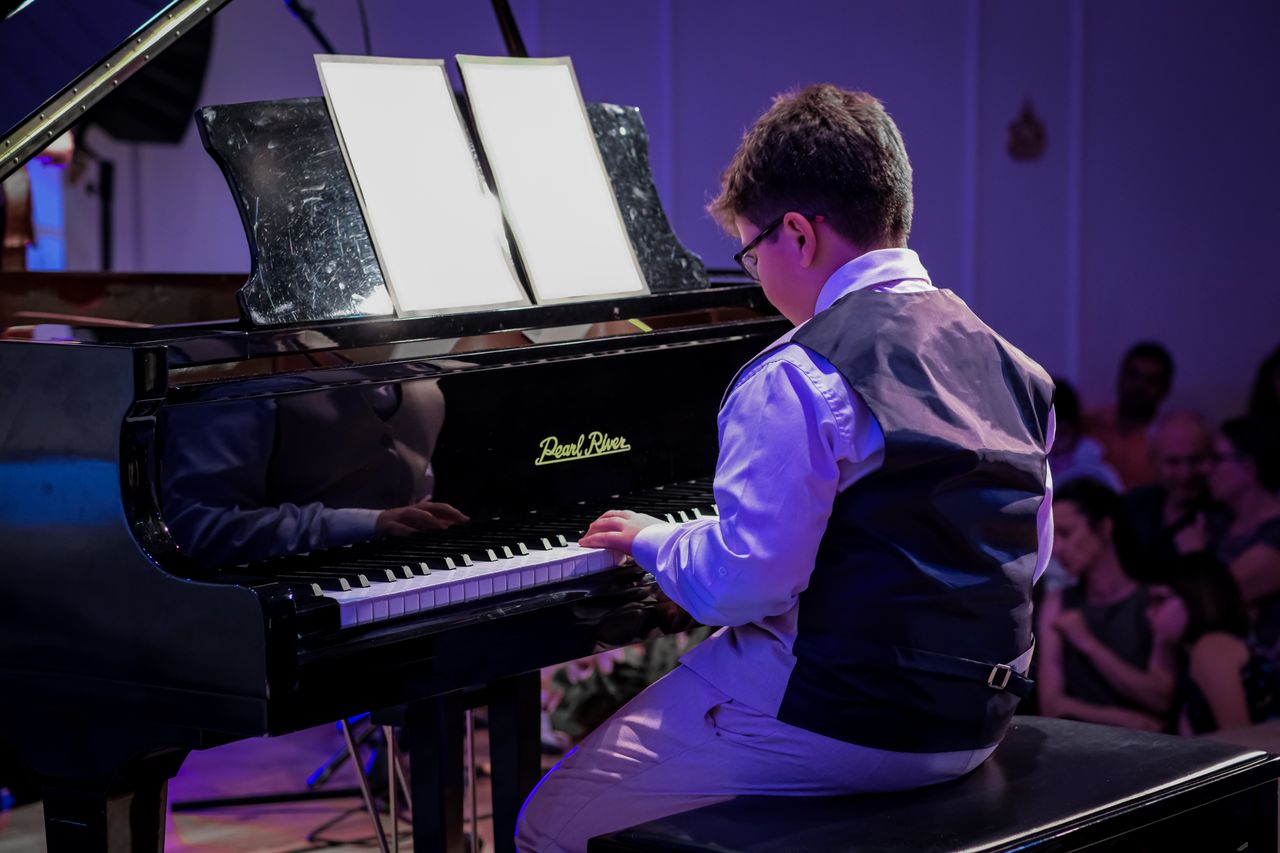
For students, a recital is a milestone. It gives the abstract work of weekly lessons a concrete goal to train toward. Research on motivation consistently shows that students who have a performance date on the calendar practise more consistently in the weeks before than those without one. The performance itself builds confidence, stage presence, and the ability to manage nerves, skills that transfer well beyond music.
For families, a recital is the visible return on a significant investment of time and money. Parents who watch their child perform at a polished, well-organised event feel that investment has been worthwhile. That feeling directly influences re-enrolment decisions at the end of the term.
For your school, a recital is both a retention tool and a marketing event. Students who perform are more likely to continue. Parents who attend are more likely to refer friends. A recital that is open to prospective families is one of the most effective trial experiences you can offer. They see the culture of your school in action rather than hearing about it in a sales conversation.
Running a recital well, consistently, is one of the highest-return activities a music school owner undertakes.
The Recital Planning Timeline
8 to 12 Weeks Out: Set the Foundation
Choose the date carefully
Avoid exam periods, school holiday weeks, and major local events competing for family attention. Check the academic calendar for your primary age groups; the families most likely to attend are navigating school schedules, sports seasons, and holiday travel simultaneously. A mid-term Saturday with nothing else competing for attention will produce significantly better attendance than a technically convenient date that clashes with a school sports day.
Book the venue
For smaller schools (under 60 students), a well-arranged studio or hired community hall works well. For larger schools or more ambitious programmes, a theatre or music venue with a proper stage creates a substantially elevated experience for both performers and audience. Whatever the venue, confirm:
- capacity for your expected audience,
- availability of a piano if required,
- sound and lighting options,
- backstage or waiting area for students,
- parking, and
- accessibility for families with younger children.
Set the event format
Will all students perform, or is this a selection-based showcase? Will it split across morning and afternoon sessions to manage programme length? Will there be an interval? Will you include a reception afterwards? These decisions affect every subsequent planning step, so make them now before communicating anything to families.
Draft your programme structure
Roughly how many performers, how long per piece, and in what sequence will the programme flow? A recital that runs longer than 90 minutes with a mixed-age audience loses attention in the second half. Plan for 60 to 75 minutes of performance time, including transitions, plus an interval if needed.
Send a save-the-date to all families
The earlier families have the date in their calendar, the higher your attendance will be. A brief message with the date, venue, and format is enough at this stage.

6 to 8 Weeks Out: Build the Programme
Assign pieces to students
Work with each instructor to confirm what each student will perform. Consider the balance of the overall programme: variety in instrument, tempo, style, and mood makes the event more engaging for an audience that includes parents focused on students other than their own child. Consider also which students will benefit most from the performance experience. A nervous beginner should have a shorter, more achievable piece than an advanced student ready to be stretched.
Create the running order
A well-considered running order prevents the recital from feeling monotonous. Mix instruments and styles across the programme. Avoid placing three slow piano pieces consecutively. If you have ensemble pieces, position them at natural anchor points: the end of the first half or the programme finale. Start and end strongly. Your opening piece sets the tone, and your closing piece is what the audience leaves with.
Confirm logistics per performer
Does the piece require a page-turner? Will the student perform from memory or use sheet music? Is there any equipment beyond the house piano or music stands that needs arranging? Confirm these details now, not in the final week.
Begin collecting programme content
If you are producing a printed programme, start gathering what you need: student names, piece titles, composer names, and any brief notes for advanced students if your format includes them. Name spellings and piece titles take longer to collect and verify than most people expect.

4 to 6 Weeks Out: Communicate and Prepare
Send the full event invitation to all families
Include the date, time, venue address with a map link, parking information, recommended arrival time, dress code for performers if any, and what the audience can expect. A well-written invitation that answers the questions parents will ask reduces the volume of individual enquiries your admin team handles in the week before the event.
Schedule rehearsal sessions
Depending on your format, you may run individual preparation lessons focused on performance, small group rehearsals for ensemble pieces, or a full dress rehearsal at the recital venue. Plan these now and communicate them to affected students and families so schedules can be arranged.
Use this moment as a marketing opportunity
Your recital is a genuine community event. If your format allows, open a portion of the audience to prospective families who have expressed interest in your school. A personalised invitation to warm leads (“we would love to invite you to see our school in action”) is a low-pressure, high-impact way to convert interested families. This is different from a sales call; they will see your culture, your students, and your community directly.
2 to 4 Weeks Out: Logistics and Confirmation
Re-confirm all venue logistics
Revisit your confirmation with the venue: timing for setup access, equipment availability, front-of-house arrangements, and any catering provision if you are running a reception. A logistics call or site visit at this stage prevents surprises on the day.
Finalise the programme for print
Send to print with enough lead time to receive the programmes before the event. Errors in student names or piece titles are worth catching now; parents notice.
Plan backstage management
Who supervises students backstage or in the waiting area on the day? Students waiting to perform need supervision, reassurance, and clear instruction on when and how to approach the stage. A written plan for which staff member handles this, and what the student flow looks like, prevents disorganisation on the day.
Confirm your MC or hosting plan
Who introduces each performer? Will you use projection for student names and piece information? Will you play recorded music during the interval? These decisions are easy to make now and difficult to improvise under pressure on the day.
1 Week Out: Final Preparations
Send a reminder to all families
Include all practical details again: date, time, venue, parking, arrival recommendation, and notes on dress code or performance order. Do not assume families remember the invitation from three weeks ago. A reminder sent five to seven days before the event measurably improves attendance.
Run the dress rehearsal
Use it to confirm sound levels, check sight lines from the audience for each instrument position, walk students through stage entry and exit, and identify any technical issues while there is still time to address them. A dress rehearsal that surfaces one technical problem is worth far more than the time it costs.
Prepare all day-of materials
Programmes printed and counted. Stage layout confirmed. Backstage roster in place. Venue staff contact numbers. A clean, printed running order accessible to whoever is managing the show.
Send a day-before message to performers
A brief, encouraging note to students and parents confirming call time, what to wear, what to bring, and a line of encouragement from the school director reduces last-minute queries and sets a positive tone for the day.
On the Day: Running the Event
Arrive 60 to 90 minutes early
This time is for sound and lighting checks, programme distribution setup, backstage organisation, and welcoming the first families to arrive. Arriving on time is not arriving early enough.
Brief all staff before doors open
Every staff member should know their specific role: who manages door and programme distribution, who handles backstage, who hosts the event, who is the point of contact for technical issues. A five-minute briefing before doors open prevents confusion once the room fills.
Manage student nerves actively
Nervousness before a performance is normal and expected. Acknowledge it, normalise it, and redirect it into the performance. The student who looks like they might not go on stage generally needs a quiet, specific conversation rather than general reassurance. A senior instructor or the school director spending time backstage rather than front-of-house pays real dividends.
Photograph and record the event
Designate one person to photograph students performing, briefed to capture performance moments rather than audience shots. Recordings and photographs are valuable for social media, for families who could not attend, and for students themselves. Collect parental consent for the same in advance.
Start and end on time
An overrun programme that was supposed to end at 7pm and finishes at 8:30pm leaves families tired and critical rather than moved and impressed. Respect the audience's time and they will respect your school.
Post-Event: The 48-Hour Window
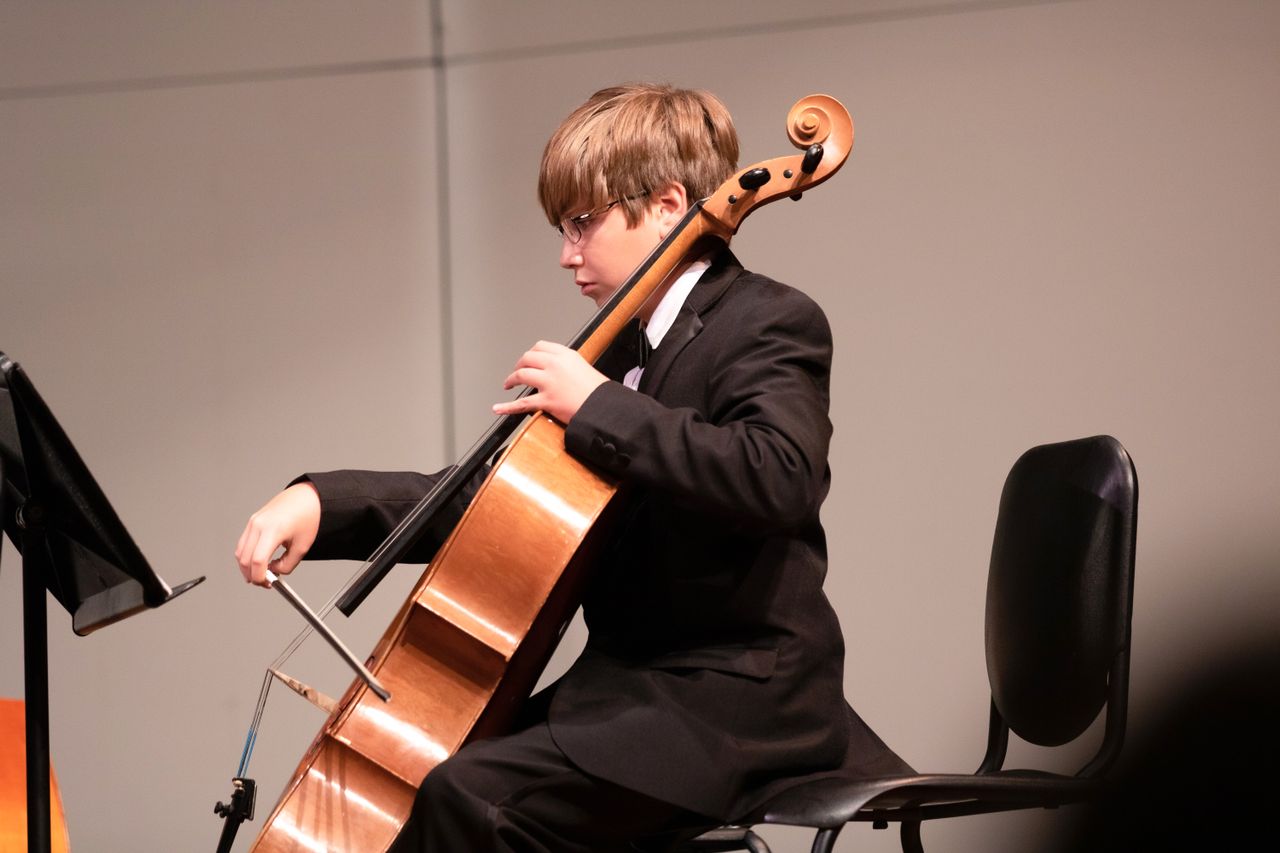
The 48 hours after a recital are among the most valuable in your school's calendar. Families are at peak emotional engagement. Students are proud. The experience is fresh. This window, used well, produces more lasting goodwill than weeks of standard communication.
Send a thank-you message within 24 hours
A message from the school director to all performing families, acknowledging the event, thanking them for their support, and celebrating the students specifically, reinforces the sense of community. It does not need to be long. It needs to be personal and prompt.
Share photographs or a highlight reel
A short selection of photos or a brief highlight video shared with the community generates engagement and warmth, and gives families something to share with their wider network. This is organic marketing that feels nothing like marketing.
Follow up with prospective families who attended
Any warm leads who came as guests should receive a personal follow-up within 48 hours: “It was great to have you with us. Did you have any questions about our programmes?” The conversion rate from prospective families who attended a well-run recital and receive a prompt personal follow-up is significantly higher than from cold enquiries.
Debrief with your instructors
A brief post-event debrief (what worked, what to adjust, any student moments worth noting) closes the event properly and feeds directly into better planning for the next one.
Make referral asks in this window
Families who have just watched their child perform are at peak advocacy. A referral ask, framed as an invitation to share something they love rather than a request for a favour, converts at a notably higher rate in this window than at any other point in the term. Our referral programme guide covers how to build the wider structure around these moments.

Recital Planning Checklist
Save a copy of this at the start of each planning cycle and work through it stage by stage.
8 to 12 weeks out
- Date confirmed and checked against school and local calendars
- Venue booked: capacity, piano, sound/lighting, backstage space, parking, accessibility confirmed
- Event format decided (all students / showcase / split sessions / interval / reception)
- Programme structure drafted: approximate performers, target duration
- Save-the-date sent to all enrolled families
6 to 8 weeks out
- Pieces assigned to each performing student
- Running order drafted and reviewed by all instructors
- Logistics confirmed per performer: sheet music, page-turner, equipment needs
- Programme content collection started: names, piece titles, composers
4 to 6 weeks out
- Full event invitation sent to all families
- Rehearsal sessions scheduled and communicated
- Guest invitations sent to prospective families
2 to 4 weeks out
- Venue logistics re-confirmed with venue contact
- Programme content finalised and sent to print
- Backstage management plan confirmed with staff
- MC and hosting plan confirmed
1 week out
- Reminder sent to all families with full practical details
- Dress rehearsal completed
- Day-of materials prepared: programmes, running order, contact numbers
- Day-before message to performers drafted and scheduled
Day of event
- Arrive 60 to 90 minutes before doors open
- Staff briefed on roles before first families arrive
- Sound and lighting confirmed
- Start on time
Post-event (within 48 hours)
- Thank-you message sent to all performing families
- Photos or highlight video shared
- Prospective family follow-up sent
- Instructor debrief completed
- Referral asks sent to performing families
How Classcard Helps with Recital Administration
The most time-consuming parts of recital planning are the administrative ones: communicating with families at the right moments, tracking guest RSVPs, sending reminders, and following up afterwards. These tasks involve the same students and families already in your class management system, which means a platform that handles communications natively saves you the most time here.
Classcard's communication tools let you send targeted messages to specific groups (all performing students, all parents of a specific age group, warm leads who attended as guests) without exporting lists or switching to a separate email tool. Automated reminders can be scheduled in advance so the pre-event communications go out at the right time without manual effort during a busy recital week. The lead pipeline handles follow-up with prospective families who attended, keeping them tracked and ensuring no warm lead goes cold after the event.
The music school solution page covers how Classcard manages the full operational side of a music school like yours, from scheduling and billing to communications and reporting. Plans start at $99/month.

A well-planned recital does not happen by accident. It happens because someone worked through a clear timeline, made the right decisions at each stage, and communicated consistently with students, families, and staff in the weeks before the event.
The planning process above is not complicated. What it requires is starting early enough that each stage has time to be done properly, and having tools that reduce the administrative load so the creative and educational work (choosing the right piece for each student, building confidence, celebrating performances) gets the attention it deserves.
Classcard handles the operational side of running a music school, including the communications, scheduling, and follow-up that surround events like recitals. Plans start at $99/month. Book a free demo or start a free 7-day trial to see how it works for your school.
Related reading: Best Music School Management Software: 2026 Buyer's Guide: the platforms that handle scheduling, billing, and communication for music schools.
Frequently Asked Questions
How far in advance should I start planning a music school recital?
Eight to twelve weeks is the right lead time for most recitals. This gives you enough runway to book a venue, assign pieces, schedule rehearsals, communicate properly with families, and handle logistics without a last-minute scramble. Smaller, informal in-studio recitals can be organised in four to six weeks. Large-scale events with an external venue benefit from twelve weeks or more.
How long should a music school recital be?
Sixty to seventy-five minutes of performance time is the right range for a mixed-age audience. Beyond 90 minutes, attention drops, particularly among younger children in the audience. If you have more students than fit comfortably in that window, consider a split format: a morning session for younger students and an afternoon session for older ones, or a separate showcase for advanced students.
Should every student perform at every recital?
This depends on your school's philosophy and the format of the event. Many schools run recitals where every enrolled student performs, which reinforces the culture that performance is a natural part of musical learning. Others run showcase-style events with a selected group. A practical middle path is to run a smaller, lower-stakes in-studio informal performance for beginners, and a more formal recital for students ready for the stage.
How do I manage student nerves on recital day?
Normalise the nerves rather than dismissing them. A brief, honest acknowledgement that nerves are normal and even useful, because they mean the student cares, is more effective than generic reassurance. Practical preparation helps more than pep talks: students who have rehearsed in the performance space, know exactly when they will go on, and understand the entry and exit process are significantly calmer than those who are uncertain about what will happen.
What should the printed programme include?
At minimum: your school name, event title, date, and the running order with student names, piece titles, and composers. Optional additions include a welcome note from the school director, brief bios for senior students, and a note about upcoming term enrolments. A two-sided A5 card is usually sufficient. Keep it concise. An overly long programme dilutes the event rather than enhancing it.
How do I use the recital to attract new students?
Invite warm leads who have expressed interest in your school to attend as guests, framed as a community event rather than a sales demonstration. A well-run recital communicates your school's culture, quality, and community more effectively than any marketing material. Follow up with attending guests within 48 hours with a personal message and a clear next step.