

Lead management for academies is the process of capturing enquiries, tracking them through a pipeline from first contact to enrolment, and following up at each stage with the right communication. The goal is to convert more of the parents and students who show interest in your academy into paying, enrolled students, without losing them in a disorganised inbox or spreadsheet.
Most academy owners are losing enquiries they do not even know about. A parent fills in a contact form on your website on a Wednesday evening. Someone sees the notification on Thursday morning and means to reply. By Friday it has been buried under twelve other messages. By the following Tuesday, the parent has enrolled their child somewhere else.
This is not a hypothetical. It is the default outcome when enquiry handling is unstructured. And for academies running on WhatsApp groups, shared inboxes, and spreadsheets, unstructured is the norm.
Lead management is the discipline of preventing exactly that. It gives every enquiry a home, a status, an owner, and a next action, so that nothing falls through the cracks between a parent expressing interest and a student walking through your door for their first class.
This guide covers how to build a lead management system that works for a class-based academy, from the form a prospective parent fills in to the moment they convert to an enrolled student and beyond.
What Lead Management Actually Means for an Academy
The term "lead management" comes from sales and CRM software, where it describes how businesses handle prospective customers. For academies, the mechanics are the same but the language is different.
A lead is any parent or student who has expressed interest in your classes but has not yet enrolled. That interest might come through a website enquiry form, a WhatsApp message, a phone call, a social media DM, a referral from an existing family, or a walk-in visit. Regardless of the source, the moment that interest is expressed, a lead exists.
Lead management is what happens next: capturing that interest systematically, following up promptly, moving the lead through a defined process toward enrolment, and tracking what happens at each stage.
For academies, this matters for three reasons.
- Enquiry volume is unpredictable. Term starts, open days, and social media posts generate bursts of interest that are hard to handle manually. Without a system, high-volume periods produce dropped leads.
- The decision timeline is slow. A parent who enquires about your swim school in March may not be ready to enrol until May. If you do not have a way to stay in contact over that window without manual effort, you lose them by default.
- Conversion is where growth happens. Most academies focus their marketing effort on generating enquiries. But if the conversion rate from enquiry to enrolment is 30% rather than 60%, doubling your lead volume just doubles the number you lose. Fixing the pipeline is often more valuable than generating more leads.

The Lead Journey: From First Contact to Enrolled Student
Understanding the lead journey is the foundation of building a system around it. For most academies, it follows a predictable sequence.
- Awareness and first contact. A parent hears about your academy, through a referral, social media, a Google search, or a community notice board. They make contact, usually through a form, a message, or a phone call. This is when a lead is created.
- Initial response. Your team responds to the enquiry. The speed and quality of this response has a significant effect on whether the lead progresses. Research consistently shows that leads contacted within the first hour are substantially more likely to convert than those contacted the following day.
- Information and consideration. The parent asks questions about class times, fees, age groups, and trial options. They are comparing you to other options, consciously or not.
- Trial class. Most academies offer a trial class as the conversion mechanism. Getting the lead to book and attend a trial is the key intermediate milestone.
- Follow-up after trial. The period immediately after the trial class is the highest-leverage moment in the lead journey. A warm, timely follow-up from the instructor or admin team converts trial attendees into enrolled students at a much higher rate than a generic email three days later.
- Enrolment and onboarding. The parent enrolls, pays, and the student is added to the class. The lead is closed and the student lifecycle begins.
Each of these stages is a potential drop-off point. A lead management system maps these stages, makes them visible, and prompts the right action at the right time.
Stage 1: Capturing Leads Properly
The first requirement of a lead management system is that every enquiry is captured in one place, automatically, with enough information to follow up meaningfully.
This rules out WhatsApp as a primary enquiry channel. A WhatsApp message does not create a record that can be tracked, assigned, or followed up systematically. It sits in a chat thread among dozens of other messages, with no stage, no owner, and no reminder. If you are still using Google Forms and WhatsApp as your primary enquiry tools, you are managing a significant operational risk that compounds as your academy grows - something covered in detail in our blog here.
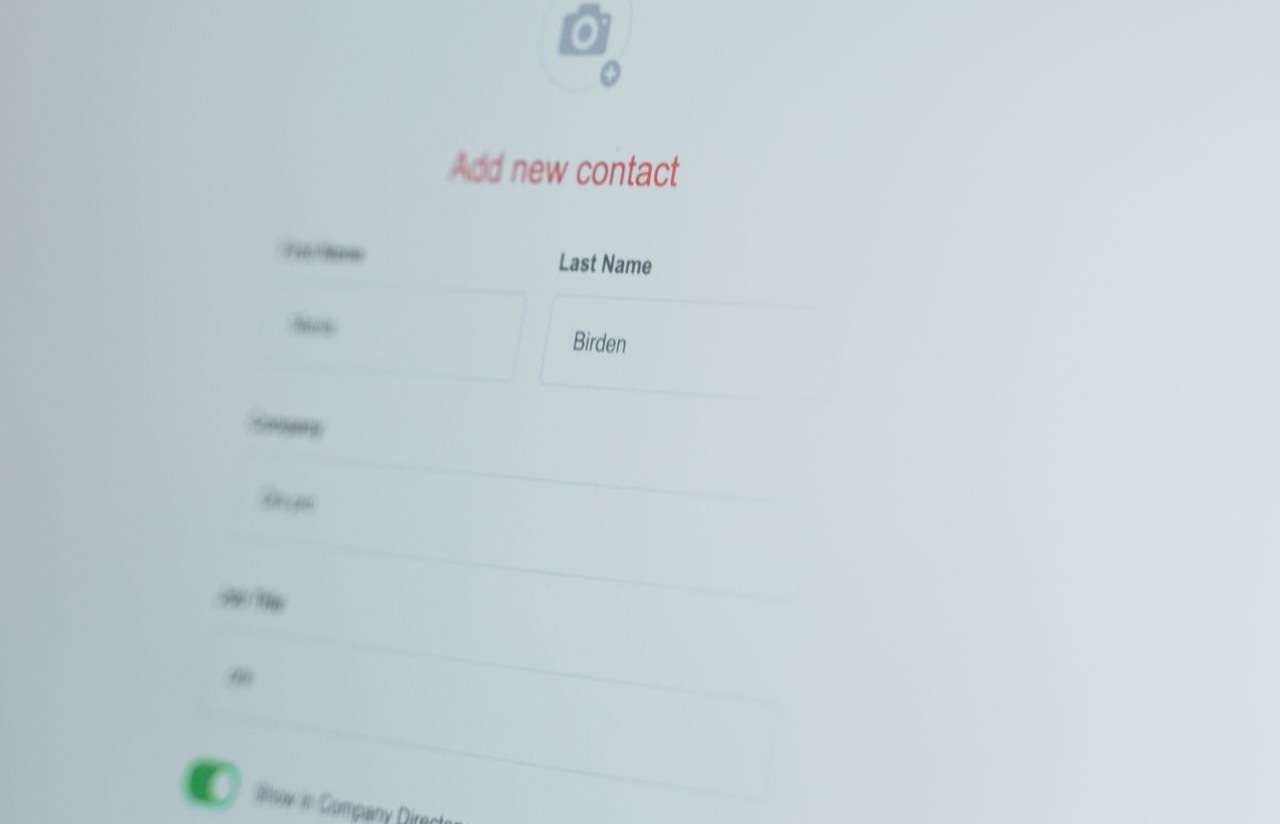
The correct approach is a customisable lead form that creates a lead record automatically when submitted, notifies the relevant staff member instantly, and stores the enquiry in a central place that the whole team can access.
What a good lead form captures:
The basics: the child's name, age, guardian name, contact email, and phone number. Beyond those, the form should capture what they are interested in (which discipline, which age group, which days/times), how they heard about your academy, any relevant medical or dietary information, and whether they would like to book a trial class directly.
For academies running a referral programme, the lead form is also where you capture the referring family's name, solving the attribution problem at source, before anything can be forgotten.
A well-designed lead form does four things:
- it collects the right information upfront so the first follow-up call is informed rather than generic;
- it signals professionalism to the enquiring family;
- it creates the lead record automatically so no manual data entry is required; and
- it lets you capture a registration fee or trial booking payment at the point of enquiry if your process includes that.
Stage 2: Building Your Pipeline Stages
A lead pipeline is a defined sequence of stages that a lead moves through from first contact to enrolment. Having explicit stages replaces the binary (and unhelpful) "interested / enrolled" with a visible map of where every lead actually is.
A typical academy pipeline looks like this:
- New: The enquiry has come in but no one has responded yet. Ideally, a lead spends no more than a few hours in this stage.
- Contacted: Someone has reached out to the lead (by phone, email, or WhatsApp) and made initial contact. If the first contact attempt was unsuccessful, this stage holds the lead until a response is received.
- Trial booked: The lead has agreed to attend a trial class and a booking is confirmed. This is a significant milestone: a lead who has committed to a time and date is substantially more likely to convert than one who is "thinking about it."
- Trial attended: The lead attended the trial. The follow-up window is now open and the next action is critical.
- Follow-up sent: The post-trial follow-up has been sent or made. If there is no response, the next task is a second follow-up after an appropriate interval.
- Won: The lead has enrolled and been converted to a student. The lead is closed and the student record is created.
- Lost / Not interested: The lead did not convert. Recording why (timing, price, location, chose a competitor) builds useful data over time.
You can customise these stages to fit your specific process. Some academies add a "Waiver sent" stage before Won; some add a "Second trial booked" stage for leads who need more time. The important thing is that every lead is always in exactly one stage, and that stage accurately reflects where things stand.
Stage 3: Assigning Ownership and Setting Reminders
A pipeline without ownership is just a list. Every lead needs a clear owner: the staff member responsible for the next action. Without this, leads stall at every stage as everyone assumes someone else is handling it.
For small academies with one or two admin staff, this is straightforward. For larger operations where multiple people handle enquiries, it matters more. The team member who spoke to the family at the open day should own that lead through to conversion, or the handoff should be explicit and recorded.
Beyond ownership, the other critical element is task reminders. A lead in the "Contacted" stage with no follow-up date set is a lead that will be forgotten. The system should prompt the owner to take the next action at the right time.
For example: a lead books a trial for the following Thursday. On Friday morning, a reminder fires for the owner to follow up on the trial. If there is no response to the follow-up by Monday, a second reminder fires. This is the difference between a system that manages itself and one that relies on people remembering.
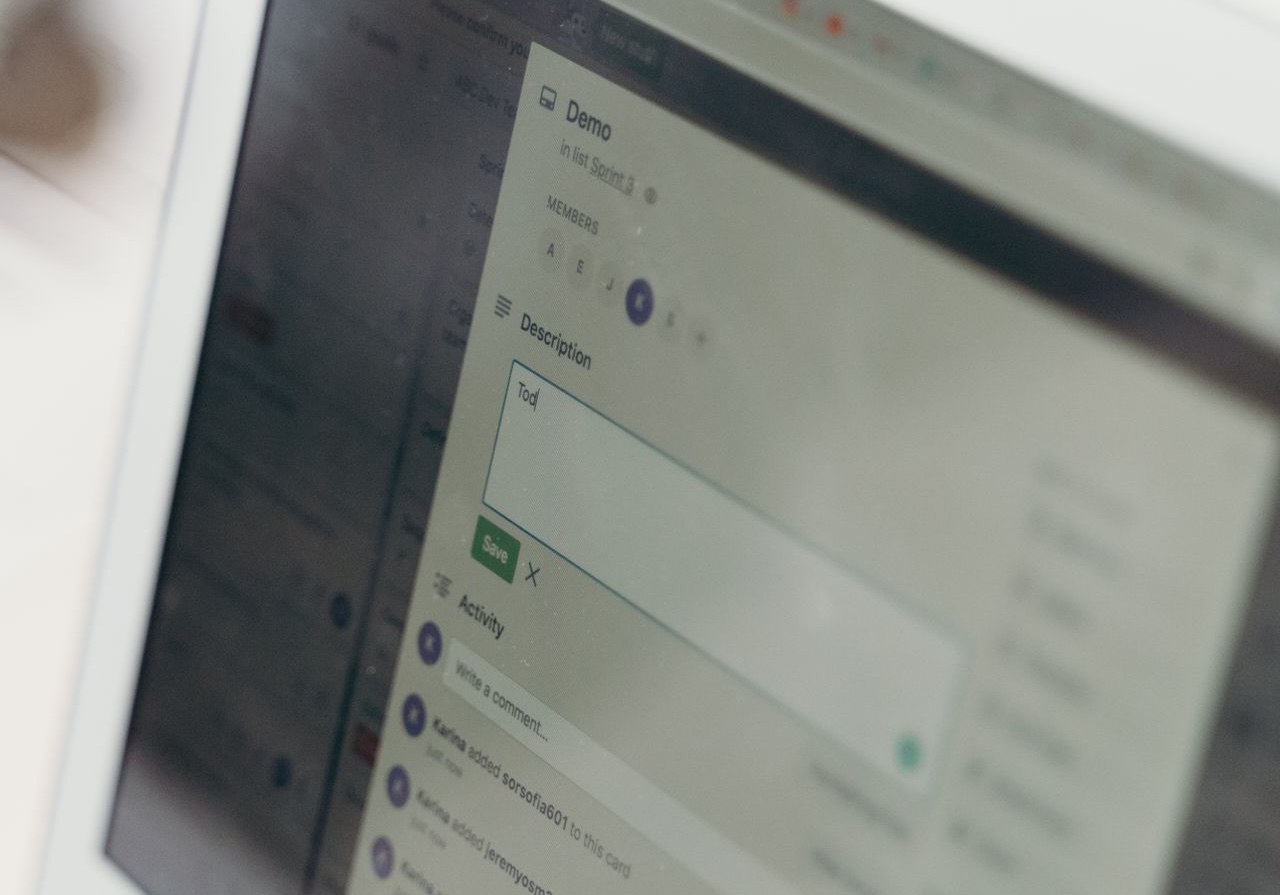
Good class management platforms allow you to add notes to each lead record (what was discussed, what questions the parent had, what concerns came up), tag colleagues with @mentions for team visibility, and set specific task reminders against individual leads. This is what team collaboration on a lead pipeline actually looks like in practice, as distinct from a shared WhatsApp thread where context is buried and ownership is unclear.
Stage 4: Following Up - Timing, Channel, and Content
Follow-up is where most academy lead management falls apart. The enquiry is captured, the initial response is sent, the trial is booked, and then a generic email goes out three days after the trial and is never followed up if there is no reply.
Better follow-up practice has three dimensions.
- Timing: The post-trial follow-up should happen within 24 hours of the trial class, ideally the same evening or the following morning. A family who attended a trial on Tuesday evening and hears nothing until Friday has had two days to lose momentum and look at alternatives. The first 24 hours are when the experience is freshest and the conversion probability is highest.
- Channel: For academies serving families, a personal phone call from the instructor or studio manager is the highest-converting follow-up channel, for the simple reason that it feels personal rather than automated. Email is appropriate for information-heavy follow-ups (pricing, class schedules, enrolment links). WhatsApp is effective in markets where it is the primary communication channel, particularly when it is used for a brief, warm check-in rather than a long message.
- Content: The follow-up should reference the specific child by name, acknowledge something specific from the trial ("Aisha really seemed to enjoy the warm-up games"), answer any questions that came up during the visit, and include a clear, low-friction next step (a booking link, a payment link, or a simple "shall I reserve your spot for next Tuesday?"). Generic follow-ups convert at a fraction of the rate of personalised ones.
For leads who attend a trial but do not convert immediately, a nurture sequence over the following two to three weeks (a second follow-up, a term-start reminder, a pricing clarification) keeps the academy visible without being intrusive.

Stage 5: Automating the Repetitive Parts
Manual follow-up is fine when you have ten leads a month. When you have eighty, it becomes a bottleneck. Automation handles the repetitive, time-sensitive elements of the process so that staff attention is concentrated on the conversations that actually need human judgment.
The components of lead management that automate well are:
- Instant acknowledgement on form submission: When a parent submits an enquiry form, an automated email confirms receipt, sets expectations on response time, and provides basic information about the academy. This happens immediately, at any hour, without staff involvement.
- Trial class reminders: An automated reminder to the lead 24 hours before their trial class, and again on the morning of the trial. Reduces no-shows significantly.
- Post-trial follow-up prompt: An automated task reminder to the lead owner the morning after a trial, prompting the personal follow-up call or message.
- Unresponsive lead nudges: If a lead in the "Contacted" stage has not moved in seven days, an automated nudge to the owner flags it for attention.
- Term-start reminders: For leads who expressed interest but said the timing was not right, an automated message at the start of the next term ("we have spaces opening up for the new term") reactivates cold leads without manual effort.
What automation should not replace is the personal follow-up itself. An automated email three hours after a trial class is not a substitute for a call or a personal message from the instructor. Automation handles the logistics and the prompting; human contact handles the conversion.
Stage 6: Tracking Conversion and Improving Over Time
A lead management system that runs without measurement cannot improve. The metrics that matter most for an academy pipeline are relatively simple.
- Lead volume by source: How many enquiries are you receiving each month, and where are they coming from? This tells you which channels are working and which are not worth the investment.
- Lead-to-trial conversion rate. Of the enquiries received, what percentage book and attend a trial class? A low rate here suggests a problem with the initial response - timing, quality, or the trial offer itself.
- Trial-to-enrolment conversion rate: Of those who attended a trial, what percentage enrolled? This is the most important metric in the pipeline. Industry benchmarks for fitness and activity businesses suggest strong programmes convert 40 to 60% of trial attendees into enrolled students. If yours is below that, the post-trial follow-up process is the most likely culprit.
- Average time to convert: How long does it typically take from first enquiry to enrolment? Understanding this helps you design follow-up sequences with appropriate timing.
- Lost lead reasons: Why do leads not convert? Price, timing, location, chose a competitor, child changed their mind. Tracking this over time reveals patterns that inform pricing decisions, scheduling, and trial class design.
Review these metrics at the end of each term. Monthly data is often too volatile to draw conclusions from; term-end data gives you a meaningful sample.

How Classcard's Lead Management Features Work in Practice
The sections above describe what a good lead management system does. Classcard is built to deliver all of it for class-based academies, within the same platform that handles scheduling, attendance, billing, and communication.
- Customisable lead forms: Classcard's lead forms can be tailored to collect exactly the information your academy needs - child's name, age, discipline of interest, preferred days and times, how they heard about you, medical notes, and a referral field if you are running a referral programme. The form is shared as a link, so it can be embedded on your website, shared on social media, or included in a WhatsApp message. When a parent submits the form, a lead profile is created automatically and the relevant staff member is notified instantly.
- Pipeline with customisable stages: Leads move through a pipeline with stages you define: New, Contacted, Trial Booked, Trial Attended, Follow-up Sent, Won, Lost. Every lead is always in exactly one stage. The pipeline view makes it immediately obvious which leads are active, which are stalling, and which need attention today.
- Notes, @mentions, and task reminders: Each lead record holds a full history of interactions: notes from phone calls, questions the parent asked, concerns raised. Staff can tag each other with @mentions for visibility and handoffs. Task reminders fire at specific times (the morning after a trial, seven days after a stalled contact) so nothing relies on someone remembering to check a spreadsheet.
- One-click conversion to student: When a lead is ready to enrol, all their data (contact details, medical notes, guardian information) carries across to a student profile with a single click. No duplicate data entry, no information lost in the transfer.
- Automation for the repetitive steps: Workflows triggered by lead events handle the logistics: an instant acknowledgement email when a form is submitted, a trial reminder the day before, an owner prompt the morning after. The automation examples guide on our blog covers how these workflows are set up in practice.
- Connected to the rest of your operations: Because lead management in Classcard sits within the same system as class scheduling, attendance, and billing, there is no data gap between the pipeline and the student record. The family's journey from enquiry to enrolled student to long-term member is traceable in one place. You can see which classes have the most leads waiting, which trial slots fill fastest, and which stages of the pipeline are converting well and which are not.
For a full overview of what Classcard's features cover beyond lead management, the features page is the starting point.

Lead management is not a complicated discipline. It is a set of simple, repeatable practices - capturing enquiries properly, giving them a stage and an owner, following up promptly and personally, and tracking what converts - applied consistently.
The gap between academies that do this well and those that do not is not usually effort. It is structure. A good system makes the right action obvious at every point in the lead journey, removes the reliance on memory and goodwill, and generates the data you need to improve each term.
For most academies, the biggest gains come from three changes: replacing ad hoc enquiry handling with a structured form and pipeline, making the post-trial follow-up faster and more personal, and tracking conversion by stage so you know where to focus.
Classcard brings all of this together in one platform - lead forms, pipeline management, team collaboration, automation, and seamless conversion to student record - so the operational overhead of running a proper lead management system is minimal once it is set up. Plans start at $99/month, with unlimited staff and students. If you want to see the lead pipeline in action, book a free demo or start a 7-day free trial, no credit card required.
Frequently Asked Questions
What is lead management for an academy?
Lead management is the process of capturing enquiries from prospective students and families, tracking them through a defined pipeline from first contact to enrolment, and following up with the right communication at each stage. It replaces ad hoc enquiry handling (through WhatsApp, shared inboxes, and spreadsheets) with a structured, visible system.
Why do academies lose leads?
Most leads are lost through slow initial response, lack of follow-up after a trial class, or no system for handling leads who say "not yet." Without a defined pipeline and task reminders, enquiries fall through the gaps between busy periods and competing priorities.
What should a lead form collect?
At minimum: the child's name and age, the guardian's name, email, and phone number, the discipline or class of interest, preferred days and times, and how they heard about your academy. Additional fields for medical notes, e-signature consent, and a referral source name are useful for academies that need them.
What is a typical lead pipeline for an academy?
A standard pipeline has six to seven stages: New, Contacted, Trial Booked, Trial Attended, Follow-up Sent, Won, and Lost. Each stage has a defined next action. Some academies customise this further based on their specific process.
How quickly should I respond to a new enquiry?
Within the same business day at the latest, and within the first hour where possible. Research on lead conversion consistently shows that speed of first response is one of the strongest predictors of conversion. A lead contacted within an hour of enquiring converts at significantly higher rates than one contacted 24 hours later.
How do I improve my trial-to-enrolment conversion rate?
The most impactful change is a faster, more personal post-trial follow-up. A phone call or personal WhatsApp from the instructor within 24 hours of the trial, referencing the child by name and something specific from the session, outperforms a generic email by a significant margin. After that, tracking why leads do not convert gives you the data to address the actual barriers.
What is the difference between a lead and a student in Classcard?
A lead is a prospective student who has expressed interest but has not yet enrolled. A student is an enrolled, active participant in your classes. In Classcard, leads have their own profiles, pipeline stages, and interaction history. When a lead enrolls, their full data is transferred to a student record with one click, no re-entry required.
Can I automate lead follow-up?
Yes, and you should, for the logistics. Automated emails confirming form submission, trial reminders, and task prompts to the lead owner can all run without manual input. What should remain personal is the actual follow-up conversation, particularly after the trial class. Automation handles the timing and the prompting; the human interaction is what converts.