

The martial arts belt system is a visible ranking framework that marks a student's progress from beginner to advanced practitioner. Originating in judo in the late 19th century, it has since been adopted across karate, taekwondo, Brazilian jiu-jitsu, and many other disciplines, each with its own colour sequence, grading criteria, and timelines.
The belt around a martial artist's waist tells a story. It shows how long they have trained, what they have mastered, and how far they have yet to go. For students, each new belt is a milestone that reflects genuine effort. For instructors and academy owners, the belt system is one of the most powerful tools you have for motivating students, structuring your curriculum, and demonstrating the value of long-term commitment.
This guide covers the origins of the belt system, how it works across the major disciplines, what each colour represents, and how to track progression effectively as your academy grows.
The Origin of the Martial Arts Belt System
The belt ranking system is a surprisingly modern invention. Before it was introduced, progress in traditional martial arts was marked through certificates, scrolls, or informal acknowledgement from a master. There was no universal, visible indicator of a student's level.
That changed with Jigoro Kano, the founder of judo, in the late 19th century. Kano created the first formalised belt system to give students a clear and visible way to measure their development. He started with just two belts, white and black, using them to represent the distinction between student and advanced practitioner.
The system spread quickly. A student of Kano's, Gichin Funakoshi, brought the ranking framework to karate in the early 20th century. Another of Kano's students, Mitsuyo Maeda, introduced it to Brazil, where it eventually formed the foundation of the Brazilian jiu-jitsu grading system. A student of Funakoshi's brought the same approach to taekwondo in the 1940s. From one original system, the coloured belt framework became the universal language of martial arts progression worldwide.
The intermediate colours between white and black were added over time, as instructors recognised the need to mark smaller steps in a long journey. A student who trains for years between white belt and black belt needs intermediate milestones to sustain motivation. The coloured belts in between are the answer to that need.
How the Belt System Works: The Basics
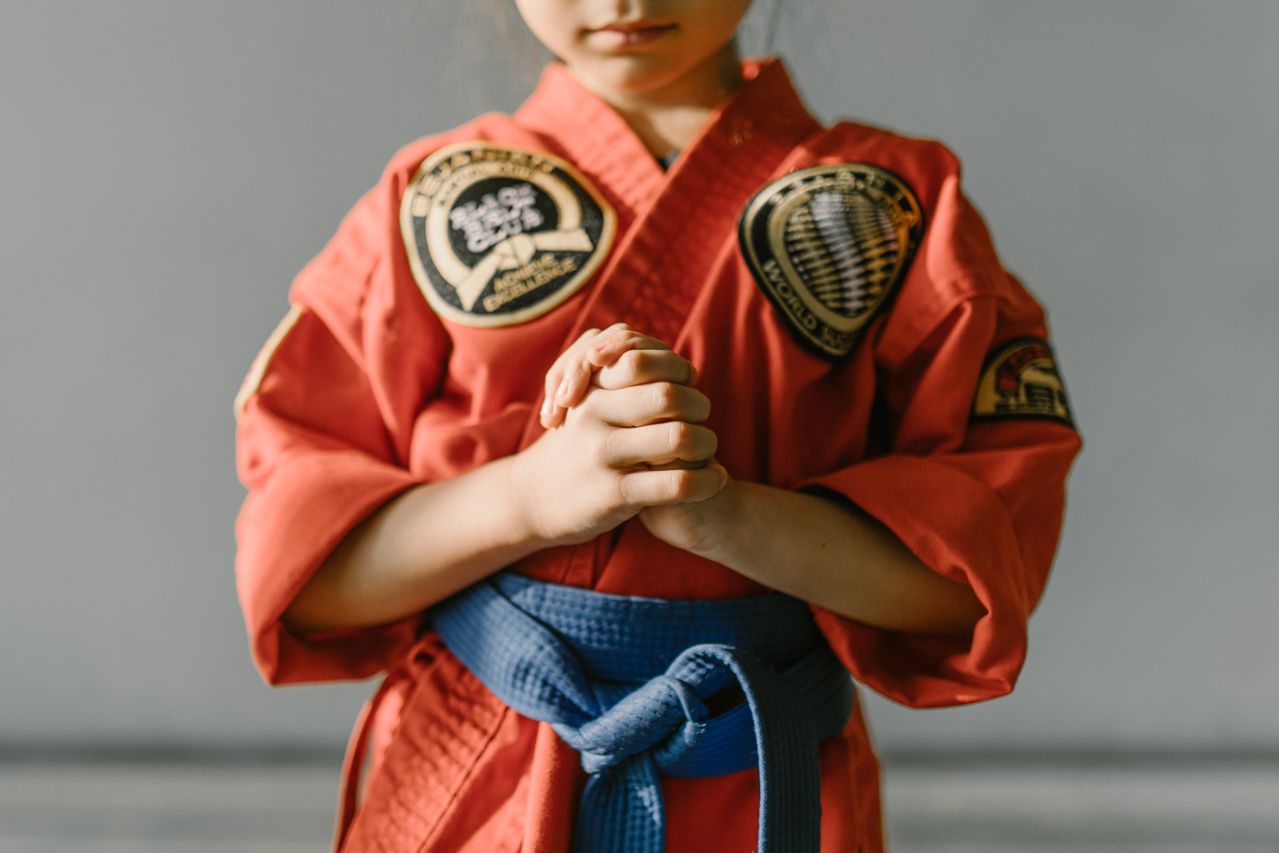
Regardless of discipline, the belt system follows a consistent underlying logic. Students begin at the lowest rank (almost always white belt) and progress through a sequence of colours by demonstrating competence at each level. Promotion is awarded through a grading or testing process, where the student performs techniques, forms, or sparring against assessment criteria set by the school or governing body.
The rank structure is divided into two broad categories across most disciplines.
- Kyu grades (also called colour belts or student grades) cover the progression from beginner to the level just before black belt. These are the coloured belts most people associate with martial arts. The number of kyu grades varies by discipline and sometimes by school.
- Dan grades cover the black belt ranks. In most systems, there are ten dan levels above black belt, with higher dans representing decades of dedication, mastery, and contribution to the art. A first dan (1st degree black belt) is the beginning of advanced study, not the end of the journey.
One point worth clarifying for students and parents: a black belt in most martial arts does not mean mastery is complete. Funakoshi, the founder of modern karate, described the black belt as the point at which serious study begins. The kyu grades teach you the language. The dan grades are where you learn to speak it fluently.
Belt Systems by Discipline
The colour sequences, number of belts, and timelines differ significantly across disciplines. Here is how the major systems work.
Karate
Karate's belt system varies slightly between styles (Shotokan, Kyokushin, Goju-Ryu, and others each have their own specifics), but the typical progression runs:
White → Yellow → Orange → Green → Blue → Purple → Brown (3rd, 2nd, 1st) → Black
Some schools use striped belts to mark half-steps within each colour, giving students intermediate milestones within a single rank. Brown belt typically has three levels (3rd kyu, 2nd kyu, 1st kyu), representing the final stage before black belt.
The time to first black belt in karate typically ranges from three to five years of consistent training. Assessment criteria include kata (forms), kihon (basics), and kumite (sparring), with the balance shifting toward kumite and application at higher grades.

Taekwondo
Taekwondo generally follows:
White → Yellow → Green → Blue → Red → Black
Many schools use half-belt colours (yellow-green, green-blue, blue-red) to give students more frequent milestones, which is particularly valuable for younger students who need visible progress on a shorter cycle. In World Taekwondo (WT) style schools, students under 15 who reach black belt level receive a Poom rank, a red and black belt, rather than a full Dan until they turn 15.
Taekwondo gradings typically assess poomsae (patterns), sparring, and breaking techniques. The time to black belt ranges from two to four years at most schools, though some schools move students faster or slower depending on their curriculum.

Brazilian Jiu-Jitsu (BJJ)
BJJ's belt system is the most distinct of the major disciplines. It has only five adult belts:
White → Blue → Purple → Brown → Black
What sets BJJ apart is not the number of belts but what is required to earn each one. Promotions are almost entirely based on live rolling (sparring against resisting partners), not formal testing or kata. There is no room for technique that does not work under pressure, the mat makes that clear very quickly. This is why each BJJ belt carries significant weight, and why the average time to black belt is ten to fifteen years, making a BJJ black belt one of the most demanding achievements in martial arts.
BJJ also uses a stripe system within each belt. Students earn up to four stripes on each coloured belt before being eligible for the next rank, giving instructors a way to mark consistent progress without a formal belt promotion.
For children, BJJ uses a separate system with more colours (white, grey, yellow, orange, green) before the adult belt track begins at age 16.

Judo
Judo, the originator of the modern belt system, uses:
White → Yellow → Orange → Green → Blue → Brown → Black
Like BJJ, judo grades are validated heavily through competitive performance, particularly at higher kyu levels. The time to black belt in judo is typically six to seven years, and the standard of technical assessment is high. Above black belt, judo uses red-and-white and red belts to denote very senior dan grades, a visible distinction not found in most other systems.

Muay Thai and Kickboxing
Traditional Muay Thai does not have a universal belt system. Some schools, particularly those catering to younger students or recreational practitioners, have adopted a graduated armband or shorts colour system to provide progression milestones, but this varies entirely by school. If you run a Muay Thai programme and want to introduce a progression framework, you have full flexibility to design one that suits your curriculum.

What Belt Colours Represent
The colour meanings below reflect the most widely used interpretations, though individual schools may assign their own symbolism.
- White represents a blank slate - no preconceptions, no prior knowledge, complete openness to learning. Every student begins here, regardless of background.
- Yellow - represents the first rays of understanding, like early morning light. The student has begun to absorb the fundamentals and can move and think in the context of their discipline.
- Orange represents a broadening of skill and the beginning of more confident movement. The student is past basic survival mode and starting to develop their own expression of technique.
- Green represents growth; the student is developing rapidly and their technique is beginning to show real depth and consistency.
- Blue represents expanding knowledge and increasing depth of understanding. The student is moving beyond surface technique into the application and principles beneath it.
- Purple (in systems that include it) represents the approaching transition toward advanced study. Technique is becoming instinctive.
- Brown represents maturity, readiness, and the final preparation before black belt. Brown belt students are technically accomplished practitioners who are consolidating everything they have learned.
- Black does not represent the end of learning, it represents the beginning of serious study. The student is competent in the fundamentals of their art and ready to develop depth that takes decades to build.

Designing Your Academy's Grading System
For martial arts academy owners, particularly those running schools in disciplines with some flexibility in their curriculum structure, the belt system is something you actively design rather than simply inherit.
How many grades to include
More grades mean more frequent milestones, which is motivating for younger students and recreational practitioners. Fewer grades mean each one carries more weight, which suits more serious or competitive training environments. A children's programme might have eight to ten colour grades; an adult competition programme might compress this to five or six.
What each grading assesses
Be explicit about the criteria for each belt level. What techniques must a student demonstrate? What kata or forms are required? What is the sparring standard? Writing this down and sharing it with students creates transparency and gives everyone a clear map of the journey ahead.
How often to hold gradings
Most schools hold formal gradings every two to three months. This gives students a regular rhythm of milestones without devaluing each one through excessive frequency. Some schools hold open gradings where all eligible students test on the same day; others test students individually when the instructor judges them ready.
The minimum requirements beyond technique
Many schools set attendance minimums before a student can grade. For example, attending at least 80% of classes in the preceding term. This prevents students from grading purely on natural ability without the consistent mat time that builds real depth. It also protects the value of your belts by ensuring that a rank at your school means something consistent.
Grading fees
Most schools charge a grading fee that covers the belt and certificate, and contributes to the instructor time required to run the assessment. Be transparent about this in your communications so families are not surprised.
Tracking Belt Progression at Scale
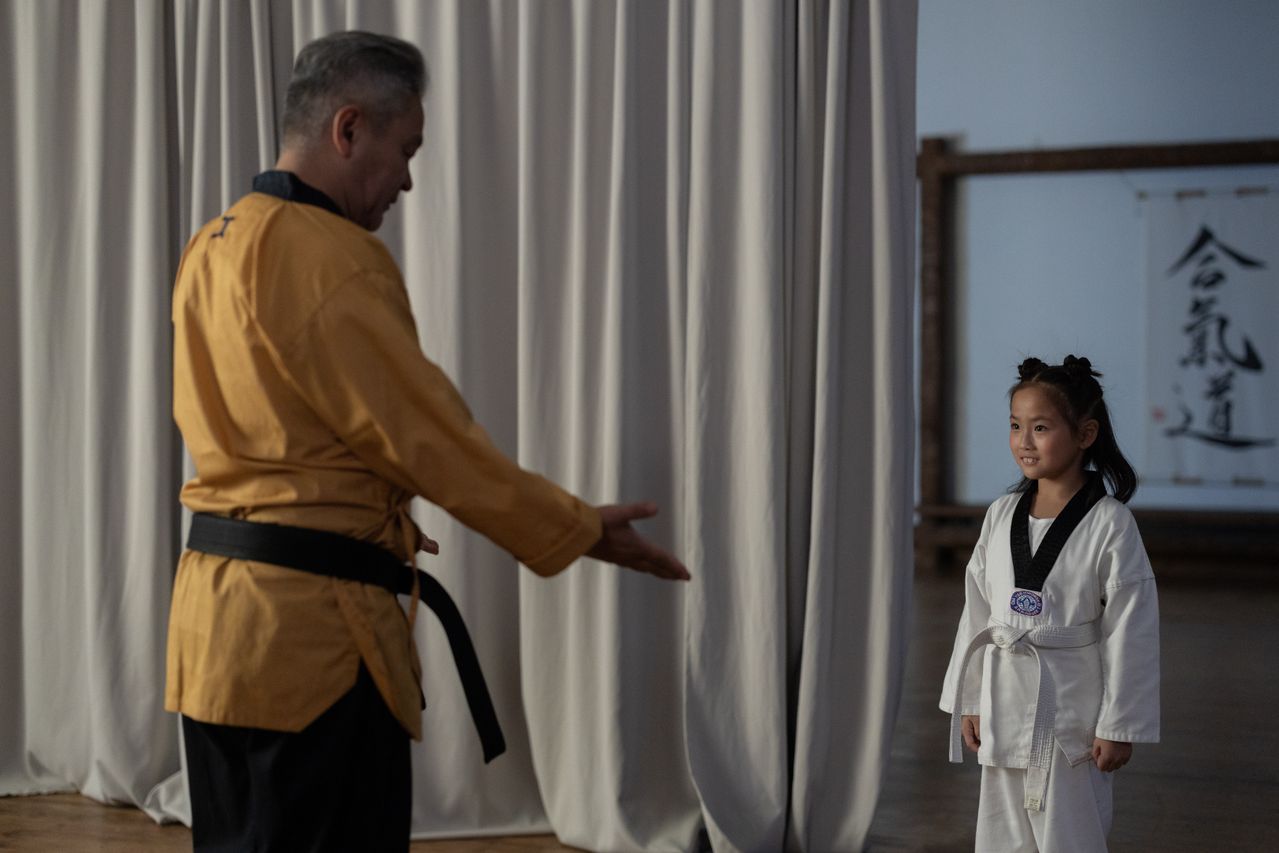
A small martial arts school with twenty students can track belt progression informally. An academy with eighty students across multiple age groups and levels cannot, at least not reliably.
The operational challenge is this:
- tracking which students are eligible to grade,
- when they last graded,
- how many classes they have attended since their last belt,
- what their current rank is across different disciplines, and
- when the next grading is scheduled.
All of this becomes significant administrative work as your numbers grow. Managed through spreadsheets or paper registers, it is error-prone and time-consuming.
The things that tend to go wrong without a system in place:
- A student who meets all the grading criteria is missed and has to wait another term, damaging trust with the family.
- A student grades before meeting the attendance minimum because no one checked.
- A parent asks what their child needs to do to progress and gets a different answer from two different instructors.
- Grading day arrives and the wrong belt sizes have been ordered because the current ranks were not easy to look up.
A class management platform built for structured academies handles all of this centrally. Student profiles hold the current belt rank, the date of last grading, attendance records, and any instructor notes about progression. Instructors can see at a glance who is eligible for the next grading, who needs more mat time, and who has special circumstances the next instructor covering a class should know about. Parents can see their child's current rank and progress without needing to call the school. When grading day comes, the eligible list is already accurate and up to date.
This is the operational case for treating belt tracking as a first-class part of your martial arts school's management system, not an afterthought managed in a notebook or a separate spreadsheet. If you want to understand what this looks like in practice at a growing academy, check out Classcard’s martial arts school software to see how the platform handles student progression, attendance, and grading workflows.
The Role of the Belt System in Student Retention
Beyond its structural function, the belt system is one of the most powerful retention tools a martial arts school has. Each belt is a milestone. Each milestone is a commitment to continue. A student who has just achieved their green belt is not thinking about quitting, they are thinking about what comes next.
This is not accidental. It is by design. The kyu system breaks what would otherwise be a ten-year journey into a series of achievable intermediate goals. Without those intermediate milestones, many students would struggle to sustain motivation through the years of plateau that every martial artist experiences between visible breakthroughs.
The implication for school owners is that your grading system and its administration directly affect your retention rate. A school that runs clear, well-organised gradings at regular intervals, communicates progress consistently to parents, celebrates promotions visibly, and makes eligibility criteria transparent will retain more students than one that grades infrequently, communicates poorly about what is required, or lets the administrative side of progression tracking fall behind.
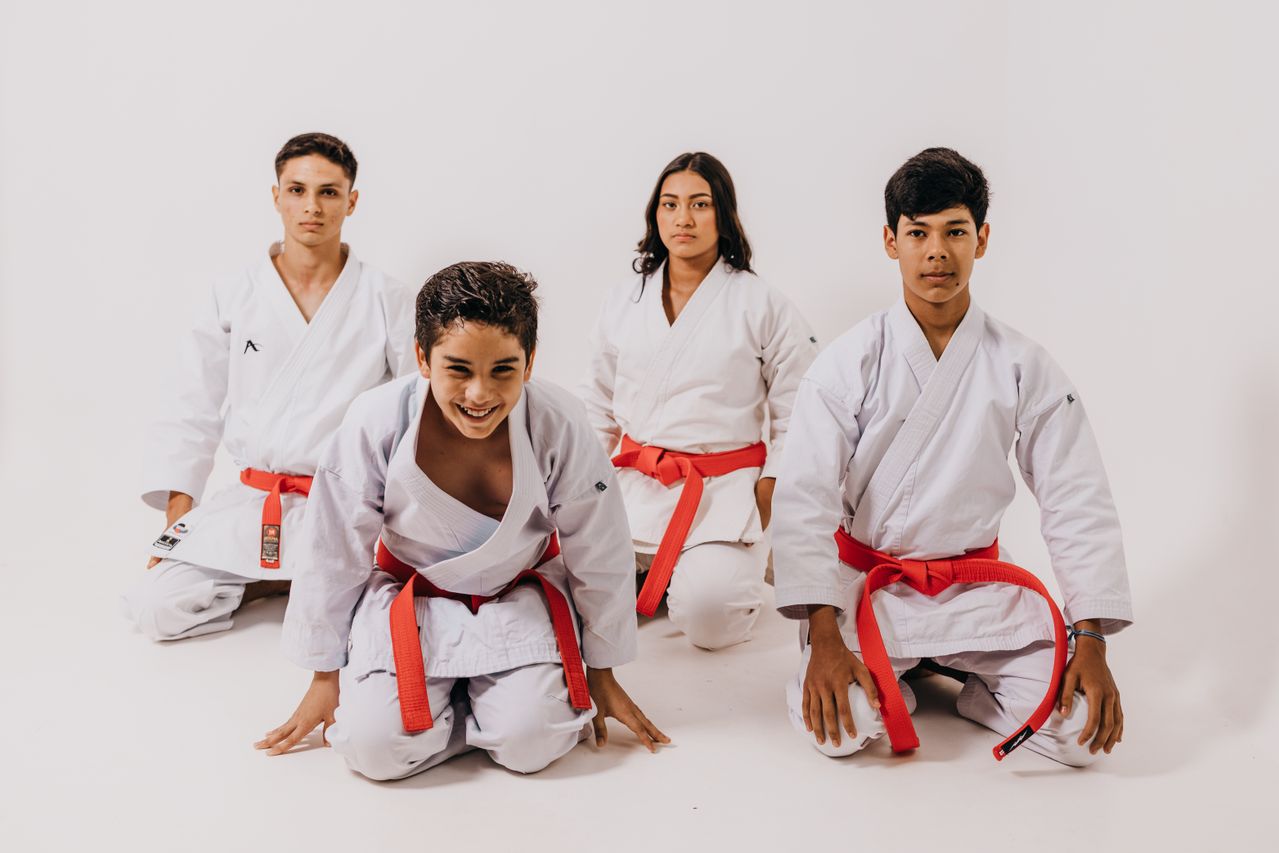
The martial arts belt system is more than a ranking framework. It is the visible expression of a student's journey, a motivation mechanism that sustains commitment across years of training, and a quality assurance signal that tells students, parents, and the wider community what a rank at your school actually means.
For academy owners, the belt system is something you design, uphold, and manage, and the quality of that management has a direct effect on your students' experience and your school's retention. Running clear gradings, tracking progression accurately, communicating requirements transparently, and celebrating promotions meaningfully are all part of running a school where the belt system works the way it was intended to.
Classcard is built to make the operational side of this straightforward. Student profiles hold rank, attendance, and grading history in one place, so instructors always have the information they need and parents are never in the dark about where their child stands. Plans start at $99/month. To see how it works for a martial arts school at your stage, book a free demo or try it free for 7 days.
Frequently Asked Questions
Who invented the martial arts belt system?
The modern belt ranking system was created by Jigoro Kano, the founder of judo, in the late 19th century. Kano introduced white and black belts as a way to give students a visible indicator of their progress. The intermediate coloured belt system developed over time and spread to karate, taekwondo, Brazilian jiu-jitsu, and other disciplines through students and practitioners who trained under Kano or his students.
What order do martial arts belts go in?
The order varies by discipline. In karate, the typical sequence is white, yellow, orange, green, blue, purple, brown, and black. Taekwondo generally follows white, yellow, green, blue, red, and black. BJJ uses white, blue, purple, brown, and black for adults. Judo runs white, yellow, orange, green, blue, brown, and black. Individual schools may vary this sequence, add stripe systems within belts, or include additional colours depending on their style.
What does a black belt actually mean?
A black belt marks the completion of the foundational stage of training and the beginning of serious advanced study. It does not mean a practitioner has mastered everything; in most traditional martial arts, the view is precisely the opposite. Most disciplines have multiple dan grades above black belt (typically up to tenth dan), representing decades of continued development, teaching, and contribution to the art.
How long does it take to get a black belt?
It depends heavily on the discipline and how frequently you train. In karate and taekwondo, three to five years of consistent training is a typical timeframe. In judo, six to seven years. In BJJ, the average is ten to fifteen years, making it one of the most demanding belt progressions in martial arts. These are averages; individual timelines vary based on training frequency, natural aptitude, and the standards of the school.
Can children earn a black belt?
Yes, though many schools and governing bodies handle this differently. In World Taekwondo, students under 15 who reach black belt level receive a Poom rank (a red and black belt) rather than a full Dan until they reach age 15. In BJJ, children train on a separate belt track (white, grey, yellow, orange, green) before entering the adult track at 16. In karate, junior black belts are common but some schools issue a junior grade that converts to a full adult rank at a certain age. Always check the specific policy of your school or governing body.
Do all martial arts use the same belt system?
No. While the underlying logic, of coloured belts marking progression from beginner to advanced, is shared across many disciplines, the specific colours, number of grades, testing requirements, and timelines differ significantly. Some martial arts, including traditional Muay Thai and certain kung fu styles, do not use a belt system at all, or use alternative ranking frameworks such as sashes or armbands.
How should a martial arts school track belt progression?
At a small scale, a notebook or spreadsheet can work. As the school grows, a class management platform with built-in student profile management is significantly more reliable. The platform should hold each student's current rank, grading history, attendance records, and any instructor notes relevant to their progression. This ensures grading eligibility is tracked accurately, parents can access their child's progress, and the information is consistent across all instructors and classes.