

Teaching the same skills week after week at your academy can become repetitive for both instructors and students. When students lose interest, attendance drops, progress stalls, and retention suffers.
Unlike traditional academic classrooms, activity-based learning environments face unique engagement challenges. Students who sign up for sports, dance, martial arts, or music lessons come with high expectations for fun, mastery, and visible progress. When the experience becomes monotonous, they simply stop showing up.
This guide shares 17 field-tested methods to keep students actively engaged in your classes, whether you run a football academy, swim school, gymnastics center, tutoring program, or any other activity-based business.
Why Student Engagement Matters in Activity-Based Learning
In traditional education, students have limited choice about attendance. But in your business, every class is optional. Parents are paying for an experience, and students vote with their feet.
The cost of disengagement in activity-based businesses:
- Increased dropout rates during renewal periods
- Negative word-of-mouth from disappointed families
- Underutilized class capacity as students skip sessions
- Instructor burnout from teaching disinterested students
- Reduced referrals from current families
The good news? Small changes to how you structure and deliver classes can dramatically improve engagement, retention, and the overall student experience.
17 Methods to Boost Student Learning
1. Virtual Collaboration Between Locations 🛰️
Zoom meetings, online discussion forums, collaborative document editing and virtual learning environments - there is a world of possibilities for digital collaboration in the realm of education.
For multi-location businesses or those with online components, connecting students across different sites or virtual sessions creates fresh energy. A swim school could host inter-location relay challenges via video. Music schools might arrange virtual ensemble performances where students from different branches play together.
How-to: Use video conferencing to connect classes from different locations during special events or collaborative projects. A martial arts academy could host belt testing with guest judges from sister locations, or a dance studio could organize virtual choreography exchanges between regional branches.
Why it boosts engagement: Students get exposed to different teaching styles, make connections beyond their immediate peer group, and gain perspective on their progress relative to a broader community.

2. Peer Teaching & Student Leadership 👨👩👧👦
It's well-known that one of the best ways to deepen learning is to teach it. Peer teaching is a collaborative learning strategy where students teach and learn from each other. Designate advanced students as "junior coaches" or "peer mentors" who help newer students during specific portions of class.
How-to: In a gymnastics class, advanced students could demonstrate proper form for younger learners. In tutoring centers, stronger students in a subject can be paired with those struggling. Music students working on the same piece but at different skill levels can coach each other on technique.
Why it boosts engagement: The student teaching reinforces their own mastery, builds confidence and communication skills. The student learning often feels more comfortable asking questions of a peer. Both experience increased investment in the class community.

3. Social Media Integration 📱
Let's face it, today's students prefer selfies over science and reels over reading. And while we're worried about how this social media obsession is secretly destroying their attention spans and emotional intelligence, why not meet students where they already are?
Create class-specific social media challenges, skill showcases, or progress celebrations that students can participate in outside class hours.
How-to: A dance studio might challenge students to post 15-second choreography videos using a specific hashtag. A sports academy could run an "MVP moment" Instagram series featuring exceptional plays. Music schools could host virtual recitals where students post performances.
Why it boosts engagement: Students get recognition beyond the four walls of your facility, families become promoters of your program, and the social proof attracts new enrollments.
Safety note: Always get parental permission before posting content featuring minors, and provide clear guidelines on appropriate participation.

4. The Mystery Technique 🕵🏽
"I think, at a child's birth, if a mother could ask a fairy godmother to endow it with the most useful gift, that gift would be curiosity."
Start each class with an intriguing question or challenge related to the day's skill focus, but don't immediately reveal the answer or technique.
How-to: A swim instructor might ask "What's the secret to swimming faster without getting more tired?" before teaching proper breathing technique. A martial arts instructor could pose "How can you generate more power with less effort?" before demonstrating hip rotation in strikes.
Keep students curious throughout the session, revealing the answer during the final cool-down or as they successfully demonstrate the concept.
Why it boosts engagement: Creates anticipation, gives purpose to each drill, and helps students understand the "why" behind what they're learning.
5. Replace Lectures with Conversations 💬
Imagine having to sit through hour-long monologues on the periodic table or the invasion of Poland. Sounds dreadful, doesn't it? But replace that with a stimulating conversation on the elements' real-world applications or the complex geopolitical factors leading to World War II, and it doesn't sound so bad!
Instructor monologues about technique lose students quickly. Transform instruction into interactive discussions where students contribute observations and problem-solve together.
How-to: Instead of explaining the physics of a backflip in gymnastics, ask students "What do you think happens if you don't tuck tight enough?" or "Why do some swimmers turn faster than others?" Let them experiment and discover through guided questions.
Why it boosts engagement: Students become active participants in their own learning rather than passive recipients of information. They remember concepts better when they arrive at understanding through discovery.
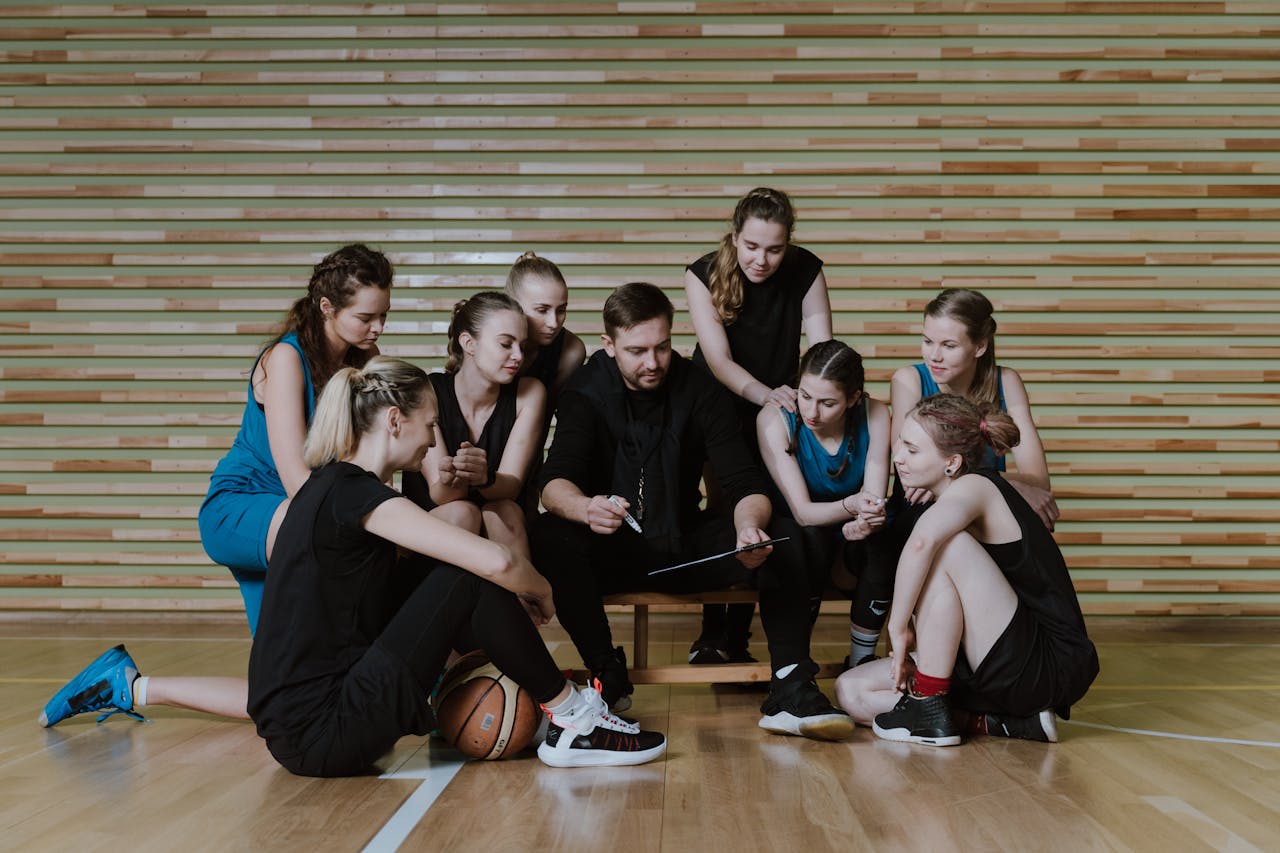
6. Flip Your Classroom 🔄
The flipped classroom is an unconventional approach that reverses traditional teaching methods - instead of delivering lectures in class and assigning homework, students first engage with new material through video lectures or readings at home. Classroom time is then dedicated to interactive activities, discussions, and problem-solving exercises, allowing students to apply their knowledge with guidance from the teacher.
Send technique videos, skill explanations, or preparatory materials before class so you can spend in-person time on practice, feedback, and application.
How-to: A music teacher sends scale practice videos for students to review at home, then uses class time for ensemble playing and musicality. A language school provides vocabulary lessons students complete before class, then spends session time on conversation practice.
Why it boosts engagement: Maximizes the value of expensive instructor time, allows self-paced learning for foundational concepts, and transforms classes into hands-on practice rather than passive listening.
Pro tip: Use your class management system to share resources directly with enrolled families so video links don't get lost in email.
7. Build Genuine Relationships 🤗
Creating a friendly and approachable classroom environment can be a game-changer for student engagement. Learn names quickly, remember details about students' lives outside class, and show you care about them as individuals. Crack a joke every now and then, laugh with your students, let them know you're human too.
How-to: Greet every student by name as they enter. Remember who has a birthday coming up, who plays another sport, who's nervous about an upcoming competition. Celebrate personal milestones unrelated to your program.
Why it boosts engagement: Students perform better for instructors they like and respect. A personal connection and welcoming atmosphere transforms class from an activity into a community. Students feel more comfortable participating and expressing themselves. This positive rapport enhances student-teacher interactions and also encourages collaboration and open dialogue among peers.

8. Minimize Traditional Assessments 📚
The pressure of performing well on a test and ‘getting good grades’ often robs children of the joy of learning. Constant testing creates anxiety and drains the fun from activity-based learning. When students are freed from the constraints of the grading scale, they can focus more on deeply understanding the material and exploring their own interests.
Instead, use skill badges, progression checkpoints, and practical demonstrations. This not only builds genuine curiosity and engagement but also allow students to enjoy the process of learning something new.
How-to: A swim school might use colored swim caps to indicate progression through skill levels rather than formal tests. A tutoring center could track mastery through real-world problem-solving projects rather than weekly quizzes. Martial arts programs already do this well with belt systems.
Why it boosts engagement: Reduces performance anxiety, keeps focus on learning and deep understanding of the subject-matter rather than grades. Builds genuine curiosity and maintains the joy that attracted students to your program in the first place.
9. Give Students Autonomy 👨🏼🎓
“Control leads to compliance; autonomy leads to engagement.” ~ Daniel Pink.
When you allow students to have a say in their learning paths, format, pace, or topic, they become more invested in their education. Let students have input on aspects of their learning experience. Choice creates ownership and accountability.
How-to: In dance classes, let students occasionally choose the music for choreography. In sports training, offer choice between conditioning exercises that build the same skills. In tutoring, let students select which type of practice problem to tackle first.
Why it boosts engagement: Students who feel some control over their experience are more motivated and engaged. Autonomy supports intrinsic motivation better than external pressure.

10. Actively Participate in Activities 🤝
Don't just demonstrate and observe. Actively participate in activities and tasks along with your students. Join in warm-ups, conditioning, and occasionally participate in drills.
How-to: A yoga instructor practicing alongside the class, a sports coach running the same drill, a dance teacher joining the choreography, or a music teacher playing in the ensemble shows students you're all learning together.
Why it boosts engagement: Humanizes the instructor, models lifelong learning, and creates shared experience rather than hierarchical instruction.
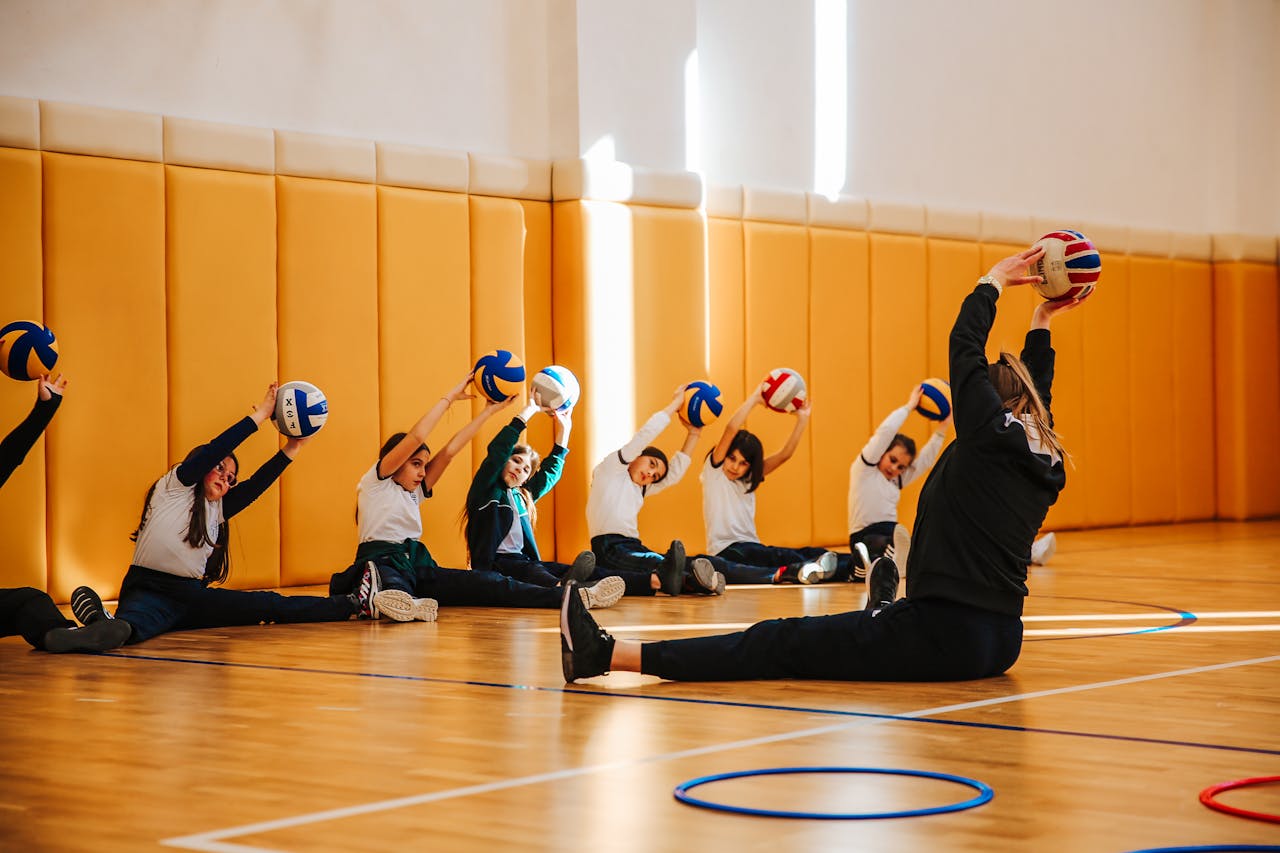
11. Invite Guest Instructors 🗣️
Introduce variety by bringing in guest teachers, other coaches, athletes, performers, or experts for occasional special sessions or demonstrations.
How it works: A swim school might invite a competitive swimmer to share their training experience. A martial arts academy could bring in a specialist in a related discipline. A music school might host a professional musician for a masterclass.
Why it boosts engagement: Fresh perspectives re-energize regular students, expose them to different teaching styles, and provide inspiration from someone further along their journey.
12. Field Trips & Outside Experiences 🏕️
Since when did field trips become something only kids in primary school had the privilege of enjoying? Take learning beyond your facility walls occasionally. Real-world application and new environments create memorable experiences.
How-to: A gymnastics program visiting a trampoline park to practice aerial awareness. A language school organizing a cultural restaurant visit. A sports academy attending a professional game together. A music school watching a symphony performance.
Why it boosts engagement: Creates community bonds, provides context for skills being learned, and offers inspiration students can't get within regular class walls.
Pro tip: Use your class management system to handle permission slips, attendance tracking, and parent communication for special events.

13. Role-Playing & Scenario Practice 🎭
We all love plays and movies! So why not bring them to life? Create game situations, performance scenarios, or real-world applications for skills being developed.
How-to: In martial arts, simulate self-defense scenarios. In sports, create game-pressure situations during practice. In music, hold informal performance run-throughs. In language learning, role-play ordering at a restaurant.
Why it boosts engagement: Bridges the gap between isolated skill practice and actual application, gives purpose to repetitive drills, and builds confidence for real situations.
14. Incorporate Gamification 💻
"All work and no play makes Jack a dull boy." Add points, levels, challenges, and friendly competition to routine skill-building to engage students.
How-to: Track personal bests and celebrate improvements. Create team challenges with small rewards. Use leaderboards for specific skills (while being sensitive to different starting points). Award badges for consistent attendance or mastering specific techniques.
Why it boosts engagement: Gamification taps into intrinsic motivation, provides clear progress markers, and makes repetitive practice more compelling.

15. Digital Skill Tracking 📲
Move beyond paper progress cards. Give students and parents access to detailed skill progression, attendance patterns, and personalized feedback through digital tools.
How it works: After each session, log which skills each student worked on, their progress level, and next steps. Parents can see exactly what happened in class and what to practice at home.
Why it boosts engagement: Creates accountability, helps parents support learning at home, and gives students concrete evidence of improvement over time.
Pro tip: Modern class management systems like Classcard include built-in progress tracking, eliminating the need for separate spreadsheets or notebooks.
16. Focus on Positive Reinforcement 💯
Catch students doing things right more often than correcting mistakes. Build confidence alongside competence.
How it works: For every correction, offer two pieces of positive feedback. Celebrate effort and improvement, not just perfect execution. Recognize students who encourage teammates or show good sportsmanship.
Why it boosts engagement: Positive environments feel psychologically safe, encouraging students to take risks and try challenging skills. Fear of criticism causes students to hold back.

17. Flexible Class Configurations ✔️
Break out of the "everyone does the same thing at the same time" default. Use flexible seating arrangements, stations, small groups, or individualized progressions within a single class.
How it works: Set up skill stations where students rotate through different activities. Group students by current ability level for specific drills while keeping the overall class together. Allow advanced students to work on harder progressions while beginners master fundamentals.
Why it boosts engagement: Meets students where they are instead of boring advanced students or overwhelming beginners. Creates natural peer teaching opportunities and keeps energy high.
Pro tip: This becomes much easier when you use software that tracks individual student progressions so you know exactly who's ready for which skills.
Making These Methods Work Long-Term
Implementing all 17 methods at once would overwhelm any instructor team. Instead:
- Choose 2-3 methods that align with your current challenges
- Test them for 4-6 weeks in specific classes
- Gather feedback from instructors and families
- Adjust based on what works for your specific population
- Gradually layer in additional methods as the first ones become routine
The most successful activity-based businesses don't rely on any single engagement technique. They create a culture where variety, student agency, positive relationships, and visible progress are built into every session.
The Technology Foundation for Student Engagement
Many of these engagement strategies become easier to execute when you have the right operational infrastructure. Tracking individual student progress, communicating effectively with families, managing flexible class configurations, and documenting achievements all require systems that traditional pen-and-paper methods can't support.
Whether you're running a sports academy, swim school, dance studio, music school, martial arts academy, gymnastics center, tutoring program, or any other activity-based business, Classcard provides the class management foundation that makes these engagement strategies practical.
Our platform handles scheduling, attendance, payments, parent communication, and progress tracking in one place, so you can focus on what matters: keeping your students engaged, progressing, and coming back.
Ready to transform student engagement at your program? Schedule a free demo to see how Classcard supports the teaching and learning strategies that drive retention and growth.
Frequently Asked Questions
Why is student engagement important for activity-based businesses like sports academies or dance studios?
Unlike traditional school, attendance at your classes is optional. Parents are paying for an experience, and students who lose interest simply stop showing up, directly affecting retention and referrals.
What's the flipped classroom approach, and how does it apply outside traditional academics?
Instead of introducing new material in class, students review it beforehand, like technique videos, freeing up in-person time for practice, feedback, and application. A music teacher might send scale practice videos home and use class time for ensemble playing instead.
How can instructors reduce testing anxiety while still tracking progress?
Use skill badges, progression checkpoints, and practical demonstrations instead of formal tests. Martial arts belt systems are a familiar example of this approach, keeping the focus on genuine mastery rather than grades.
Does giving students more autonomy actually improve engagement?
Yes. Letting students have some say in music choice, exercise order, or practice problems creates ownership and taps into intrinsic motivation, which tends to sustain engagement better than external pressure alone.
How many of these engagement methods should an academy try to implement at once?
Start with just 2–3 methods that address your current challenges, test them for 4–6 weeks, gather feedback from instructors and families, and layer in more only once the first ones become routine.
What role does gamification play in student engagement?
Adding points, levels, challenges, and friendly competition to routine skill-building taps into intrinsic motivation and gives students clear, visible progress markers, which makes repetitive practice feel more compelling.
Why does positive reinforcement work better than frequent correction?
Psychologically safe environments encourage students to take risks and attempt challenging skills, while fear of criticism causes them to hold back. Aiming for two pieces of positive feedback per correction helps maintain that balance.